Content
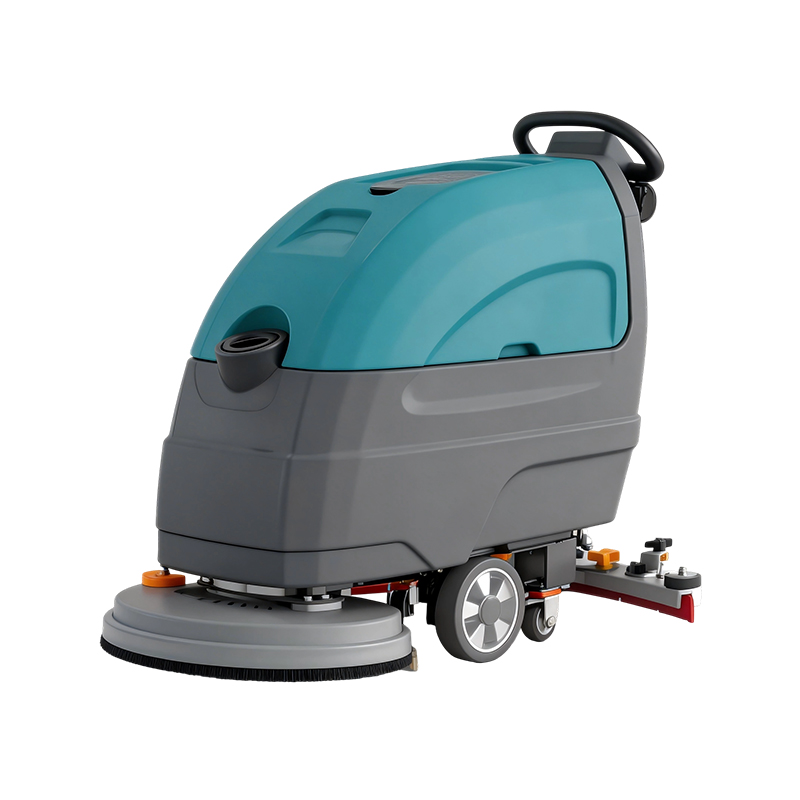
A hand push floor scrubber is an advanced cleaning machine designed to automate the process of scrubbing and drying hard floors in commercial, industrial, and institutional facilities. Unlike ride-on scrubbers, these machines are pedestrian-operated, meaning the operator walks behind the unit and guides it across the floor. They integrate key functions: solution dispensing, cylindrical or disc scrubbing, and immediate vacuum pick-up of dirty water. For facility managers, operations directors, and procurement specialists, selecting the correct hand push floor scrubber involves understanding floor types, facility layout, battery technology, and maintenance logistics. This article provides a technical deep dive into the selection, features, and operational considerations for these essential cleaning machines.
Walk-behind scrubbers offer a balance between cleaning efficiency and maneuverability. They are ideal for facilities with moderate floor space, narrow aisles, and areas with obstacles. They provide a more consistent and faster clean than mops and buckets, while being more cost-effective and compact than ride-on machines. They also significantly reduce water usage and drying time compared to manual methods.
Tile floors, common in retail stores, restaurants, and hospitals, present a unique cleaning challenge. The grout lines between tiles are porous and can trap dirt and bacteria. A standard mop simply pushes dirty water across the surface, often leaving debris in the grout. A hand push floor scrubber for tile floors is highly effective on grout lines when equipped with the correct brush type. The key is the scrubbing action. Cylindrical brushes, which rotate counter-rotating, or disc brushes with aggressive bristle patterns, can reach down into the grout lines to dislodge embedded soil. Simultaneously, the machine's vacuum system immediately removes the dirty solution, preventing it from re-depositing into the grout. For optimal results on tile, engineers should specify scrubbers with high down-pressure on the brushes and the option to use stiff, nylon-grit brushes if heavy buildup is present. The squeegee must also be effective at recovering water from the slightly uneven surface created by grout lines.
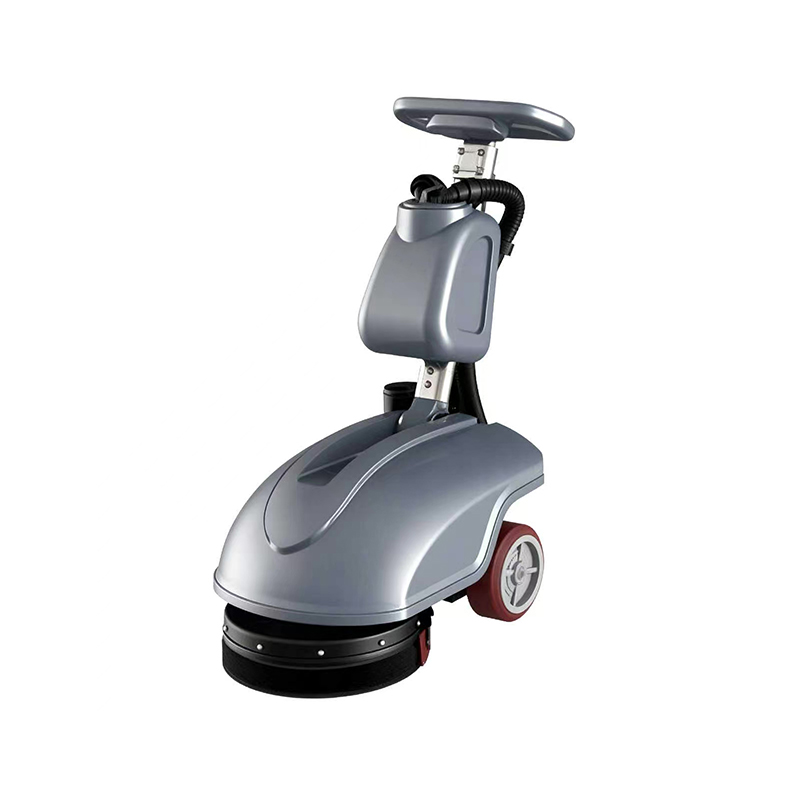
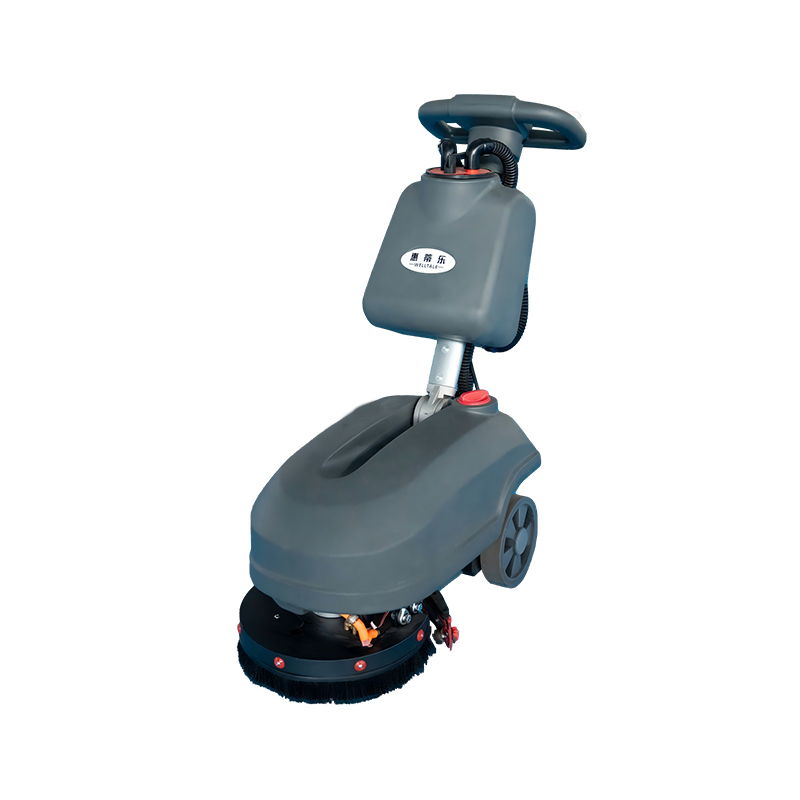
A lightweight walk behind floor scrubber dryer offers significant operational advantages, particularly in multi-story facilities or locations with weight-sensitive elevators. The primary benefit is portability. These machines, often weighing under 200 pounds (90 kg), can be easily transported in a van or moved between floors without specialized equipment. This makes them ideal for janitorial service providers who clean multiple sites per day. Secondly, their lighter weight reduces operator fatigue over long shifts. Despite being lightweight, modern designs do not compromise on cleaning performance. They typically feature efficient battery systems and durable polyethylene tanks. The "dryer" aspect of the name refers to the integrated squeegee and vacuum system that leaves the floor nearly dry and immediately safe for foot traffic. This is critical in retail environments where slip hazards and downtime must be minimized.
Selecting the right scrubber involves analyzing power source, machine size, and specific cleaning tasks. The following sections provide technical comparisons and guidance.
The choice between cordless and corded scrubbers is a fundamental decision based on facility layout and cleaning schedule. Cordless hand push floor scrubber machine models are powered by deep-cycle lead-acid or lithium-ion batteries. Their main advantage is unrestricted mobility. Operators can clean large, open areas without being tethered to an outlet, and there is no cord to create a trip hazard or run over. This makes them ideal for warehouses, supermarkets, and large retail floors. Corded (electric) models, on the other hand, offer unlimited runtime as long as they are plugged in. They are typically lighter because they carry no heavy batteries, and they have a lower upfront cost. They are best suited for smaller areas, facilities with readily available outlets, or operations where cleaning is done overnight and the cord is less of an obstacle. The table below summarizes the key engineering considerations.
| Feature | Cordless (Battery-Powered) | Corded (Electric) |
|---|---|---|
| Mobility | Unrestricted; ideal for large, open areas | Limited by cord length and outlet proximity |
| Runtime | Limited by battery capacity (typically 2-4 hours) | Unlimited (continuous operation) |
| Weight | Heavier due to battery pack | Lighter, easier to transport |
| Upfront Cost | Higher (includes battery and charger) | Lower |
| Maintenance | Requires battery watering and charging management | Lower maintenance; no batteries to replace |
| Best Application | Large retail, warehouses, facilities without outlets | Smaller areas, hotels, overnight cleaning |
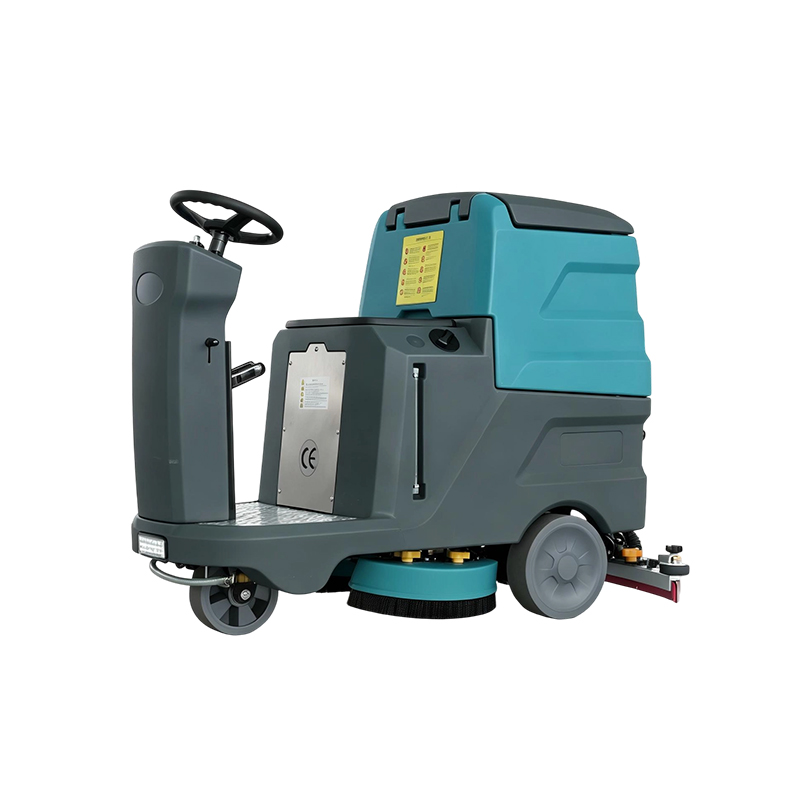
A small hand push scrubber for commercial use is often a more practical and economical choice than a ride-on scrubber for many facilities. The decision comes down to square footage and aisle width. Rider scrubbers are designed for very large spaces, typically over 20,000 square feet, with wide, open aisles. A small hand-push unit, with a cleaning path of 16 to 22 inches, is perfect for facilities in the 5,000 to 20,000 square foot range, such as convenience stores, small clinics, or auto repair shops. The smaller machine offers superior maneuverability in tight spaces, like between shelving or around waiting room furniture. Its lower cost and simpler maintenance also make it accessible for smaller businesses without a dedicated maintenance staff. From a return on investment perspective, a small hand-push scrubber can pay for itself quickly by replacing manual mopping, saving labor time, and improving cleaning consistency.
In facilities with multiple shifts and multiple cleaning machines, managing battery health is critical to preventing downtime. A hand push floor scrubber with battery indicator is an essential tool for effective fleet management. The indicator provides real-time data on the battery's state of charge. This allows operators to know at a glance if a machine has enough runtime to complete an assigned area. More importantly, modern battery indicators, often integrated with digital controllers, can track discharge cycles and alert staff when a charge is needed. This prevents the common problem of deep discharging batteries, which significantly shortens their lifespan. For fleet managers, some advanced indicators are part of a telematics system that logs battery usage, maintenance intervals, and even operator behavior. This data enables proactive maintenance scheduling, reduces unexpected machine downtime, and optimizes the charging infrastructure within the facility. A simple hour meter is not enough; a true battery indicator with low-voltage cut-off protection is a key feature for protecting the capital investment in batteries.
For B2B buyers, OEMs, and large facility managers, partnering with a manufacturer that has deep industry experience and a commitment to quality is essential. Zhejiang Jianchao Machinery Co., Ltd. brings over 20 years of factory establishment experience and industry expertise to the cleaning equipment market. Based on in-depth market insights and continuous technological R&D, the company relocated to a new, larger facility in March 2024, now located in Langshan Industrial Park, Xiaopu Town, Changxing County, Zhejiang Province. Covering an area of more than 30,000 square meters, the company enjoys a superior geographical location with easy access to major transportation hubs. As an integrated manufacturing enterprise engaged in production and sales, Zhejiang Jianchao's main products include floor scrubbers, floor moppers, sweepers, and electric pallet trucks. Since its establishment, the company has always adhered to the business philosophy of "Quality First, Innovation-Driven, Customer Satisfaction." For buyers seeking reliable OEM or ODM partnerships for cleaning machinery, their extensive facility and long-standing experience provide the capacity and technical depth required for consistent product quality and supply chain stability.
Improving cleaning efficiency starts with matching the machine to the task. For facilities with tile floors, a hand push floor scrubber for tile floors with aggressive brush action ensures grout lines are properly cleaned. For operations requiring portability and quick drying, a lightweight walk behind floor scrubber dryer is the ideal tool. The power source decision hinges on facility layout, with a cordless hand push floor scrubber machine offering maximum mobility for large areas. For smaller commercial spaces, a small hand push scrubber for commercial use provides an excellent return on investment. And for managing a fleet of machines effectively, specifying a hand push floor scrubber with battery indicator protects battery assets and prevents downtime. By understanding these technical nuances and sourcing equipment from experienced manufacturers, businesses can achieve cleaner facilities, lower labor costs, and a safer environment for both employees and visitors.
Hand push scrubbers typically have a cleaning path width ranging from 16 inches (40 cm) for small, compact models up to 28 inches (71 cm) for larger, more industrial walk-behind units. The width is determined by the size and configuration of the brush deck. A wider path cleans more square footage per pass, increasing productivity.
Daily maintenance includes emptying and rinsing the solution and recovery tanks, cleaning the squeegee blades, and checking the brushes for debris. Weekly maintenance involves checking the battery water levels (for lead-acid batteries) and inspecting hoses and seals for wear. A more comprehensive service, including checking motor brushes and belt tension, is typically recommended quarterly or after every 500 hours of operation.
No, standard hand push floor scrubbers are designed for hard floors only. The brush and squeegee system is intended for non-porous surfaces like tile, vinyl, concrete, and sealed wood. Using them on carpet will damage the machine and the carpet. For carpets, a dedicated carpet extractor or bonnet buffer is required.
The choice is typically between sealed lead-acid (AGM or Gel) and lithium-ion. Lithium-ion batteries offer faster charging, longer lifespan, lighter weight, and no maintenance, but they have a higher upfront cost. Lead-acid batteries are more economical initially but require regular watering (for flooded types) and have a shorter overall life. The best choice depends on the facility's budget and charging infrastructure.
Streaking is usually caused by one of three issues: worn or damaged squeegee blades, incorrect squeegee angle or height, or debris caught under the squeegee. First, inspect the squeegee blades for nicks or wear and replace them if necessary. Second, ensure the squeegee is adjusted so it tips slightly forward and makes even contact across its entire length. Finally, check that the vacuum hose is not clogged and that the recovery tank lid is sealed properly to ensure strong suction.

Contact Information
Xiaopu Langshan Industrial Park, Changxing County, Zhejiang Province, China
Keep in Touch
Can't find the answer you're looking for? Please chat to our friendly team.


 English
 中文简体
中文简体
 Español