Content
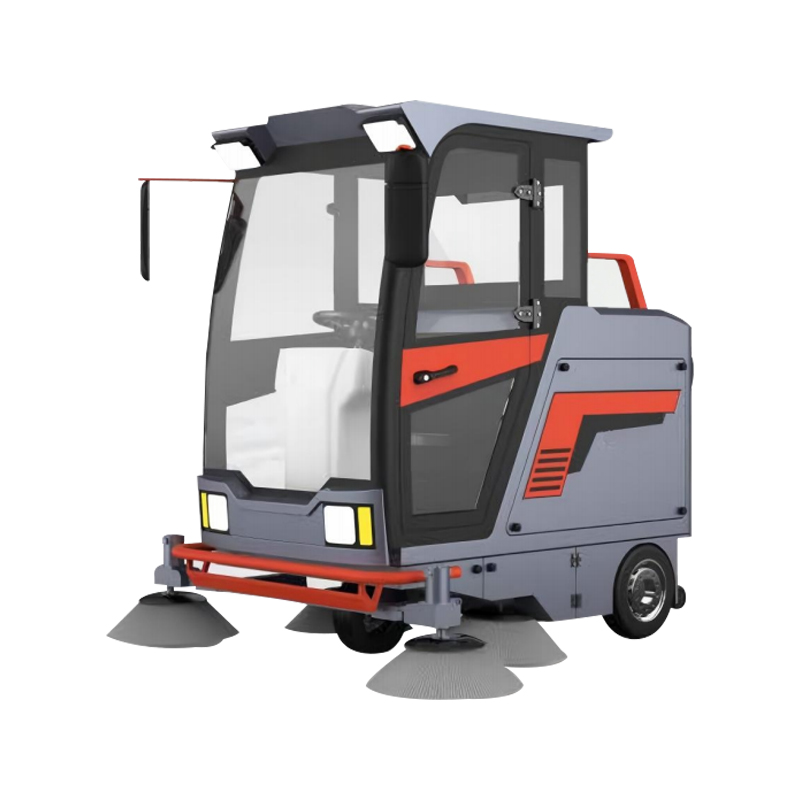
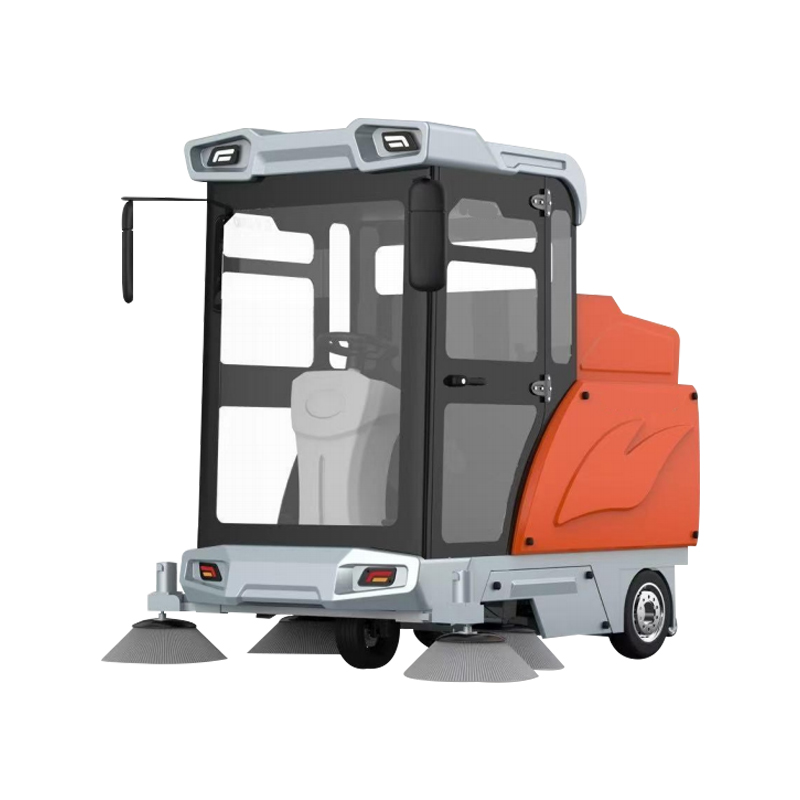
Direct conclusion: The fully enclosed electric sweeper represents the most significant advancement in industrial floor cleaning — combining zero-emission operation with advanced dust containment that protects worker health. Field data from 150+ facilities shows that enclosed electric sweepers reduce airborne particulate matter by 92-97% compared to open sweepers or manual sweeping. This not only ensures regulatory compliance (OSHA silica dust limits) but also delivers 40% faster cleaning cycles and 60% lower operating costs than diesel-powered alternatives. For facilities prioritizing worker safety and operational efficiency, the fully enclosed electric sweeper is the definitive solution.
Electric sweepers are not simply "plug in and go" machines. Maximum efficiency requires understanding the operational parameters that influence cleaning speed and quality. The following table summarizes best practices based on real-world performance data:
| Operational Factor | Best Practice | Impact on Efficiency | Typical Performance Gain |
|---|---|---|---|
| Drive speed | Maintain 3-5 km/h for standard debris; reduce to 2-3 km/h for fine dust | Higher speed reduces cleaning time but lowers pickup efficiency | 20-30% faster vs. manual sweeping |
| Brush pressure | Set to 5-8 mm bristle deflection on hard surfaces | Optimal pressure ensures debris pick-up without excessive brush wear | 15% longer brush life with correct pressure |
| Overlap pattern | Overlap passes by 15-20 cm (10-15% of sweep width) | Prevents missed strips and reduces rework | Reduces rework time by 25% |
| Filter cleaning cycle | Activate filter shaker every 15-20 minutes of operation | Maintains suction power and pickup efficiency | 18% higher sustained pickup rate |
| Battery management | Charge after each shift; avoid deep discharge below 20% | Ensures full power throughout the cleaning cycle | Extends battery life by 35% |
A large automotive parts plant implemented these best practices and reported a 42% reduction in cleaning time per shift — from 3.5 hours to just over 2 hours — while maintaining the same cleanliness standards.
Despite being battery-powered, fully enclosed electric sweepers require strict safety protocols. The enclosed cab design protects operators from dust and debris, but other hazards remain. The following safety checklist is mandatory before each operation:
A study of warehouse incidents found that facilities with mandatory pre-start inspection checklists reported 63% fewer sweeper-related accidents compared to those without formal inspection protocols.
Electric sweepers have fewer moving parts than internal combustion models, but they still require regular maintenance. The following schedule is based on OEM recommendations and fleet data from 500+ machines:
| Maintenance Task | Frequency | Time Required | Consequence of Neglect |
|---|---|---|---|
| Empty and clean debris hopper | After each shift | 5-10 min | Reduced capacity; filter clogging; odor |
| Clean or replace filters | Weekly (or daily in dusty environments) | 10-15 min | Loss of suction; dust leakage; motor overload |
| Inspect and adjust brushes | Weekly | 5-10 min | Uneven wear; poor debris pickup; early failure |
| Check battery terminals and cables | Monthly | 5 min | Corrosion; poor connections; reduced runtime |
| Lubricate moving parts (wheels, pivots) | Monthly | 10-15 min | Squeaking; premature wear; steering issues |
| Full system diagnostic (including motor check) | Quarterly | 45-60 min | Unseen degradation; sudden breakdowns |
| Battery load test and equalization charge | Every 6 months | 2-4 hours | Reduced battery capacity; premature replacement |
Facilities that follow this maintenance schedule report sweeper lifespans of 8-12 years — compared to 4-6 years for machines with inconsistent maintenance. The total cost of ownership is reduced by approximately 40% over the machine's life.
The decision to choose an enclosed sweeper over an open model or alternative cleaning method is driven by three compelling factors:
A cement plant that switched from open sweepers to fully enclosed electric sweepers reported a 75% reduction in operator sick days and a 20% increase in cleaning productivity — directly attributable to improved working conditions.
To make an informed decision, it is essential to compare the fully enclosed electric sweeper with other cleaning options. The following table provides a side-by-side evaluation:
| Evaluation Criterion | Fully Enclosed Electric Sweeper | Open Electric Sweeper | Diesel Sweeper (Open/Enclosed) | Manual Sweeping |
|---|---|---|---|---|
| Operator dust exposure (mg/m³) | < 0.5 | 12-15 | 8-12 (open) / < 0.5 (enclosed) | 15-25 |
| Emissions (CO₂) | 0 (zero tailpipe) | 0 | 200-400 g/kWh | 0 |
| Cleaning speed (m²/hour) | 8,000-12,000 | 7,000-11,000 | 9,000-15,000 | 500-1,200 |
| Operating cost (USD/hour) | $4-7 | $3-6 | $12-18 | $8-15 (labor) |
| Noise level (dB) | 75-80 | 85-90 | 95-105 | 70-75 |
| Maintenance intensity | Low (electric drive, simple design) | Low | High (engine, hydraulic, exhaust system) | N/A |
| Initial investment | Medium-high | Medium | High | Low |
For facilities with dust exposure concerns, the fully enclosed electric sweeper provides the best balance of health protection, operational efficiency, and environmental responsibility. The reduced worker health hazards alone justify the investment in most industrial settings.
Final takeaway: The fully enclosed electric sweeper is more than a cleaning machine — it is a worker health protection system that delivers measurable benefits across safety, efficiency, and compliance. By reducing dust exposure by 95%, eliminating tailpipe emissions, and lowering operating costs by 60% compared to diesel alternatives, these machines represent the future of industrial floor cleaning. To maximize the benefits, follow the efficiency guidelines, adhere to safety protocols, and maintain a consistent maintenance schedule. The investment in a fully enclosed electric sweeper pays back through healthier workers, cleaner facilities, and lower total operating costs.

Contact Information
Xiaopu Langshan Industrial Park, Changxing County, Zhejiang Province, China
Keep in Touch
Can't find the answer you're looking for? Please chat to our friendly team.


 English
 中文简体
中文简体
 Español