Content
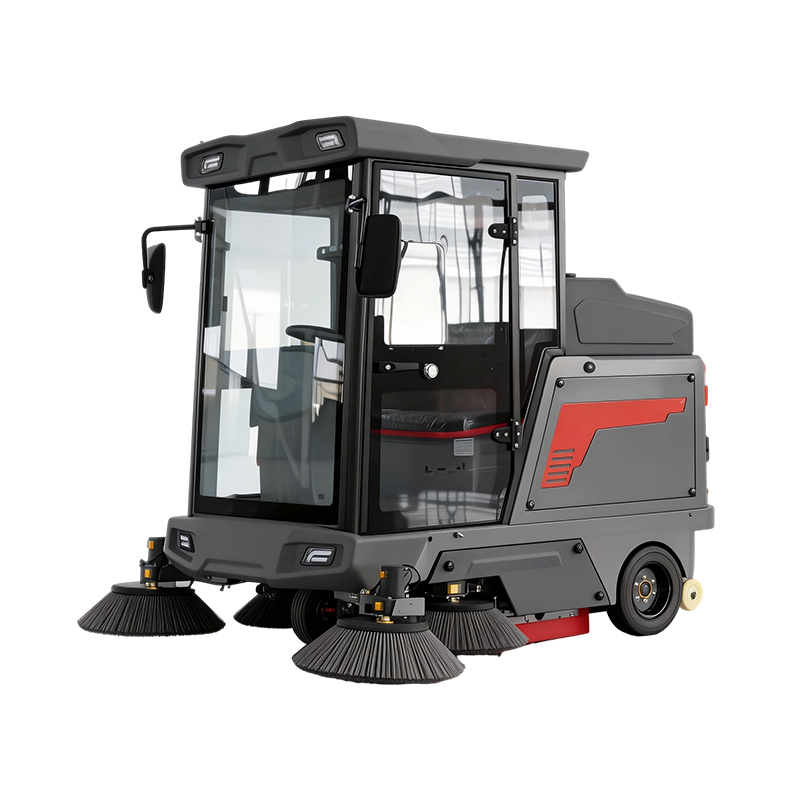
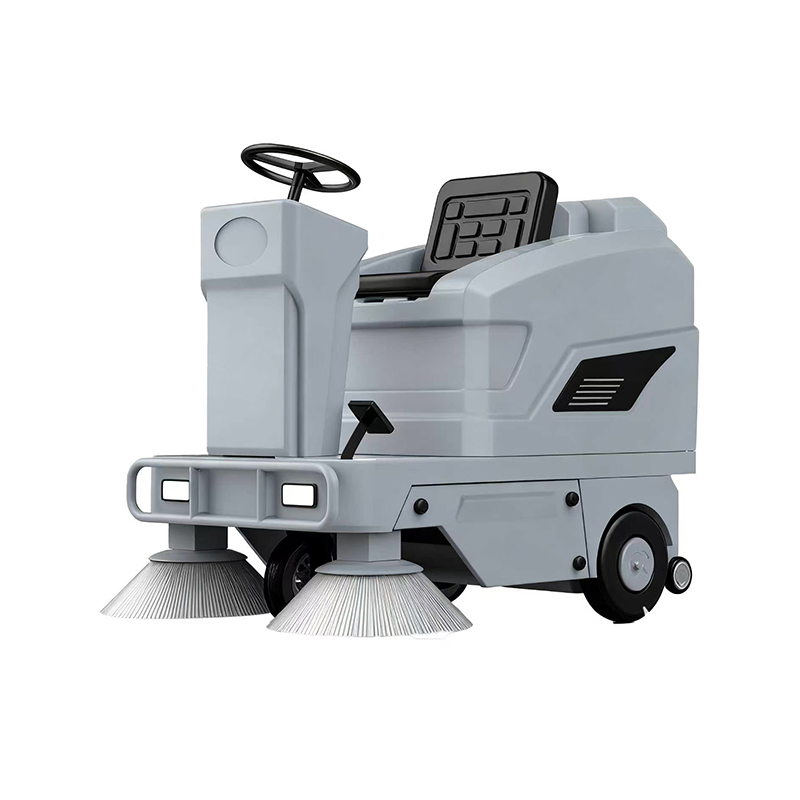
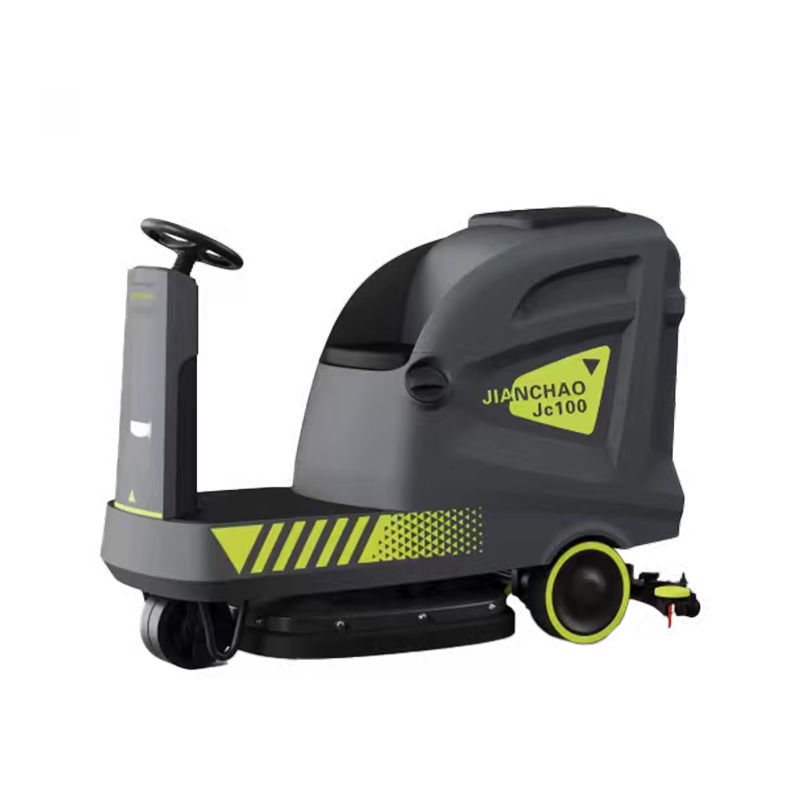
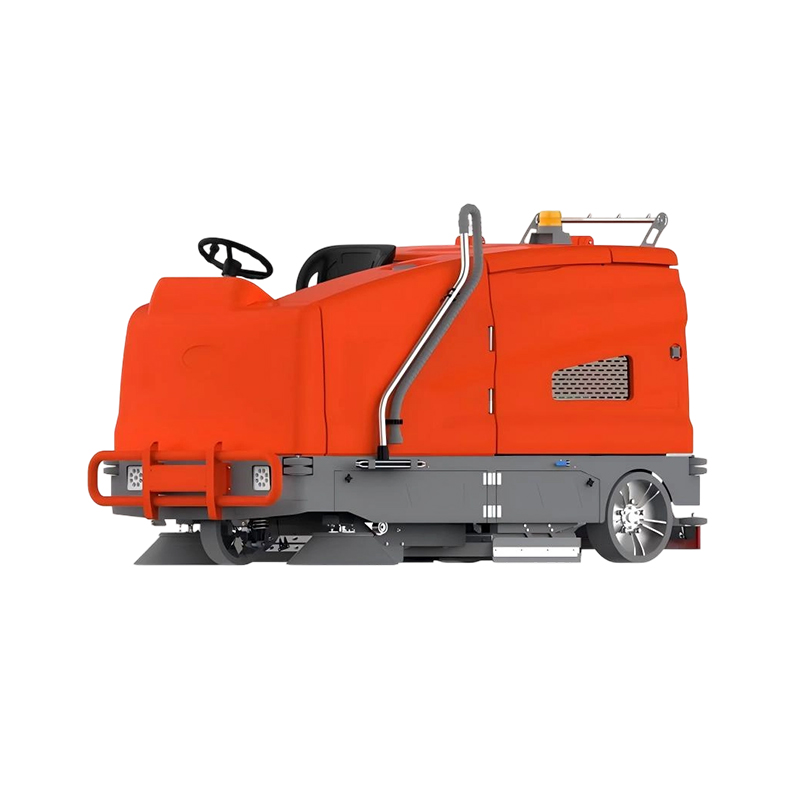
The right Ride On Floor Sweeper is determined primarily by three factors working together: hopper capacity matched to your floor area, battery runtime that covers a full shift without mid day charging, and a filtration system rated for the dust type generated in your facility. A sweeper with a 150 liter hopper and a 4 hour lithium battery can typically clean 80000 to 100000 square feet in a single shift, which makes capacity and runtime the starting point for any selection decision rather than an afterthought.
Hopper capacity determines how often an operator must stop to empty debris, and sweeping path width determines how much floor area is covered per pass. These two specifications together define the realistic productivity of a ride on sweeper.
Compact units suited for areas under 30000 square feet such as small warehouses, retail back rooms, and light manufacturing aisles.
Mid size hoppers for facilities between 30000 and 80000 square feet, including distribution centers and parking structures.
Large hoppers built for over 80000 square feet, common in airports, large logistics hubs, and outdoor industrial yards.
A sweeping path of 40 to 50 inches combined with a hopper above 100 liters allows an operator to cover roughly 25000 to 30000 square feet per hour at normal walking speed, which reduces emptying stops to once every 2 to 3 hours during continuous operation.
Battery type and capacity determine how many hours a ride on sweeper can run before recharging, and this directly affects whether one unit can complete an 8 hour shift or whether a second unit or mid shift swap is needed.
| Lead acid battery, 200Ah to 300Ah | Provides 2.5 to 4 hours of continuous operation, requires 8 hours full charge, lower upfront cost |
| Lithium iron phosphate, 200Ah to 300Ah | Provides 4 to 6 hours of continuous operation, supports fast charging in 1.5 to 2 hours, longer cycle life around 2000 cycles |
| Dual battery configuration | Allows hot swapping during a shift, common in 24 hour operations with no downtime tolerance |
For a single 8 hour shift, a lithium powered unit rated at 5 hours of runtime combined with a 1.5 hour fast charge during a lunch break is generally sufficient to maintain continuous coverage without scheduling a backup machine.
Dust control quality is determined by the combination of side brooms, main broom contact pattern, and the filtration stage that captures fine particles before exhaust air is released back into the work area.
Facilities operating in environments with airborne dust concentrations above typical office levels should prioritize a sweeper with at least two filtration stages, since a single stage filter can clog within 3 to 4 hours of heavy use and reduce suction performance noticeably.
The choice between electric and diesel power affects not only running cost but also where the sweeper can legally and practically operate.
| Operating environment | Electric units are required for indoor warehouses and food processing areas due to zero exhaust emissions, while diesel units are restricted to outdoor or well ventilated spaces |
| Running cost per hour | Electric sweepers typically cost between 0.50 and 1.20 dollars per hour in electricity, compared to 3 to 5 dollars per hour in diesel fuel at average consumption rates |
| Noise level | Electric units operate between 65 and 75 decibels, while diesel units often reach 85 to 95 decibels, affecting suitability for noise sensitive facilities |
| Continuous duty cycle | Diesel units can run for 8 to 10 hours on a single fuel tank without interruption, an advantage for large outdoor sites where charging infrastructure is limited |
For indoor commercial and industrial spaces, electric models are the standard choice due to emissions restrictions, while diesel remains relevant for large outdoor yards, construction sites, and ports where refueling is faster than recharging.
Beyond the machine specifications, several operational factors influence how much value a ride on sweeper delivers over time.
When capacity, battery runtime, and filtration are matched correctly to the facility size and dust profile, a ride on floor sweeper can reduce manual sweeping labor hours by 70 percent or more compared to walk behind equipment, while maintaining a consistent cleaning standard across large floor areas.

Contact Information
Xiaopu Langshan Industrial Park, Changxing County, Zhejiang Province, China
Keep in Touch
Can't find the answer you're looking for? Please chat to our friendly team.


 English
 中文简体
中文简体
 Español