Content
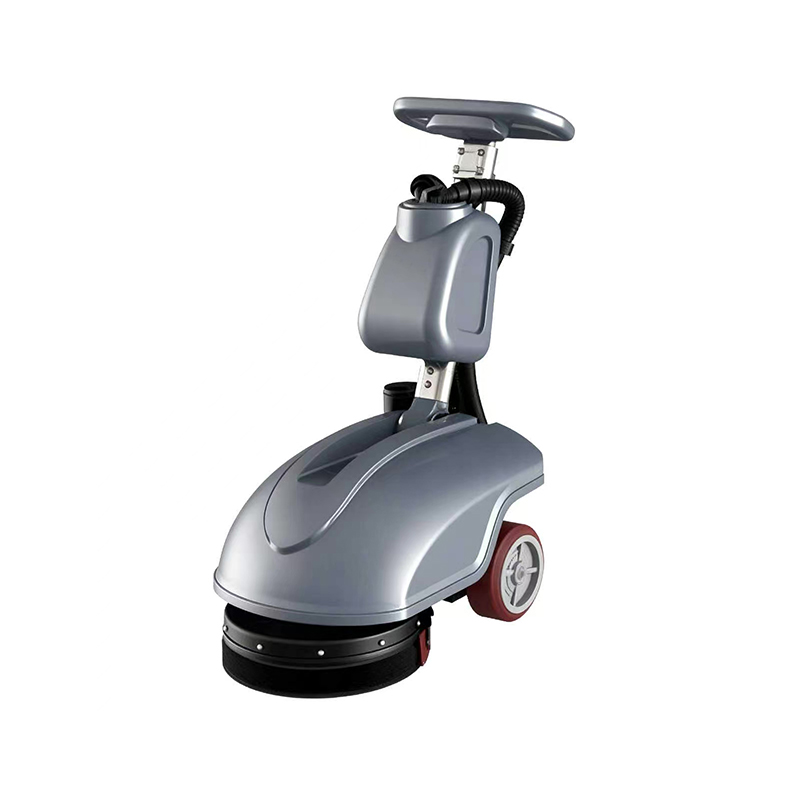
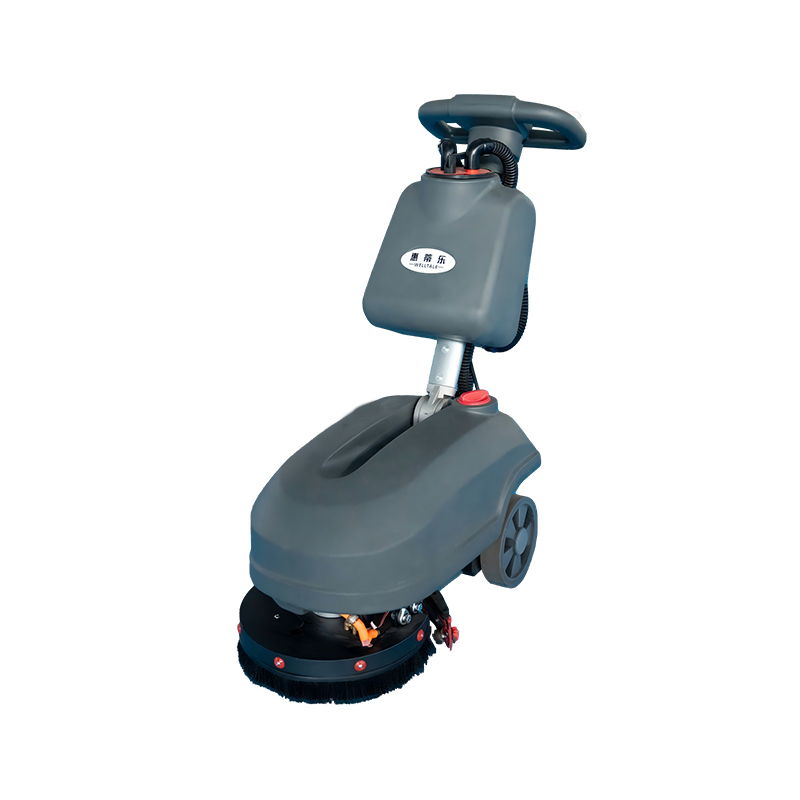
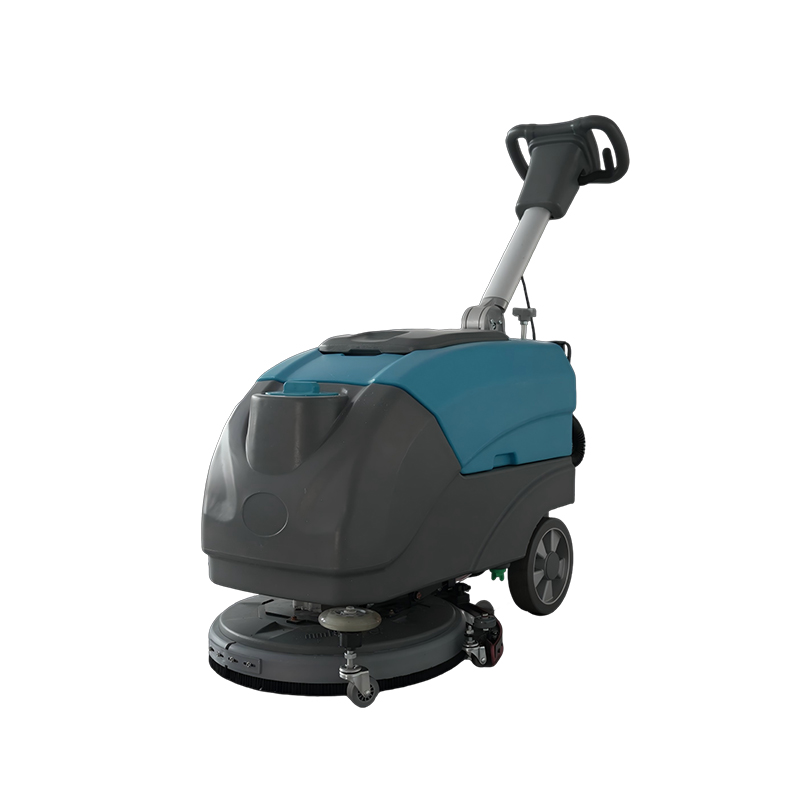
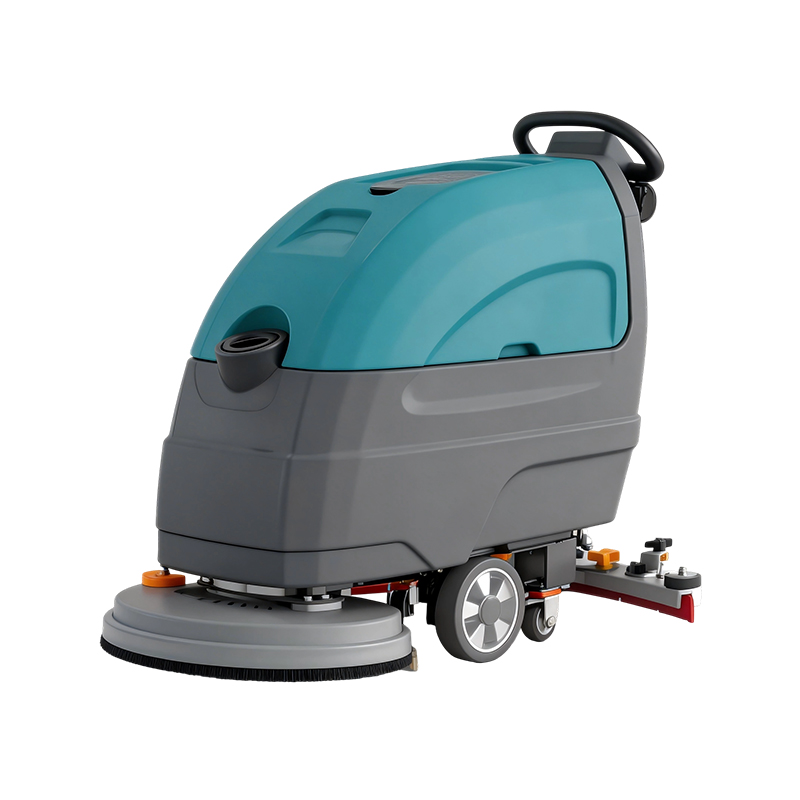
A push floor scrubber by hand effectively cleans hard floor surfaces including concrete, tile, vinyl, epoxy, terrazzo, and hardwood. It works best in small-to-medium commercial spaces where ride-on machines are impractical, delivering scrubbing power with precise manual control. For most facilities under 10,000 sq ft, a manual push scrubber offers a cost-efficient and highly versatile cleaning solution.
Not all floors are equal when it comes to scrubbing. Manual push floor scrubbers are engineered to handle a wide range of hard surfaces, each requiring slightly different brush or pad configurations.
| Floor Type | Recommended Pad/Brush | Typical Use Case |
| Concrete | Stiff nylon brush | Warehouses, loading docks |
| Ceramic / Porcelain Tile | Medium-grit pad | Restrooms, kitchens, lobbies |
| Vinyl Composition Tile (VCT) | Soft scrub pad | Schools, retail stores |
| Epoxy Coated Floors | Non-abrasive pad | Garages, labs, factories |
| Terrazzo | Soft brush or polishing pad | Airports, hospitals, schools |
| Sealed Hardwood | Ultra-soft microfiber pad | Gyms, showrooms |
Unsealed or raw wood, carpet, and highly polished marble are generally not suitable for push scrubbers with abrasive brushes. For marble or natural stone, only use pH-neutral solution with a soft pad to avoid micro-scratching.
Traditional mop-and-bucket methods spread dirty water across the floor rather than removing it. Studies from the ISSA (the worldwide cleaning industry association) show that manual scrubbers can reduce cleaning time by up to 40% and cut water usage by nearly 70% compared to conventional mopping in comparable areas.
Key operational advantages include:
For commercial flooring in high-traffic areas like grocery stores, hospitals, and school hallways, this consistency is critical both for hygiene compliance and floor longevity.
When evaluating a push floor scrubber by hand for commercial use, these performance-driving specifications matter most:
Most walk-behind push scrubbers operate at brush speeds between 150 and 300 RPM. Higher RPM combined with adjustable downforce (typically 20-110 lbs on commercial models) determines how effectively the machine lifts embedded grease or grit from porous surfaces like concrete.
A well-designed unit maintains a balanced tank ratio: the recovery (dirty water) tank should be at least equal in volume to the solution tank. Models with a 1:1 or greater recovery ratio prevent overflow and ensure the unit can be used for a full cleaning cycle without stopping.
Squeegee width typically spans 2-4 inches wider than the brush path, ensuring complete water pickup. On tile floors with grout lines, a firm rubber squeegee blade outperforms a soft blade in extracting water from low points.
Walk-behind push models with a turning radius under 24 inches are ideal for restrooms, elevator bays, and narrow corridors where ride-on machines cannot access. Some compact units weigh as little as 55 lbs (unfilled), making them easy to transport between floors via elevator.
Choosing the right configuration for your specific flooring prevents surface damage and maximizes cleaning outcomes. Here is a practical guide:
Commercial push floor scrubbers vary in productivity based on cleaning path width and operator walking speed. Below are realistic benchmarks for manual push models used on commercial flooring:
| Cleaning Path Width | Avg. Speed (ft/min) | Approx. Area/Hour (sq ft) |
| 14 inches | 80 | ~6,700 |
| 17 inches | 80 | ~8,200 |
| 20 inches | 75 | ~9,000 |
| 24 inches | 70 | ~10,080 |
For facilities between 3,000 and 10,000 sq ft, a 17-20 inch path model is typically the most balanced choice. Larger path widths are harder to maneuver in confined areas despite their higher theoretical throughput.
Using the correct scrubber settings protects your commercial flooring investment. Incorrect chemical concentrations or excessive brush pressure are among the leading causes of premature floor finish wear.
A push floor scrubber by hand is one of the most versatile tools in commercial floor care, capable of handling concrete, tile, VCT, epoxy, terrazzo, and sealed hardwood when configured correctly. Matching brush type, pad grit, downforce, and cleaning solution to your specific floor surface is the single most important factor in achieving both a clean result and long-term floor protection. For facilities under 10,000 sq ft, the combination of maneuverability, low operating cost, and genuine scrubbing performance makes the manual push format a strong first choice over mopping or oversized ride-on equipment.

Contact Information
Xiaopu Langshan Industrial Park, Changxing County, Zhejiang Province, China
Keep in Touch
Can't find the answer you're looking for? Please chat to our friendly team.


 English
 中文简体
中文简体
 Español