Content
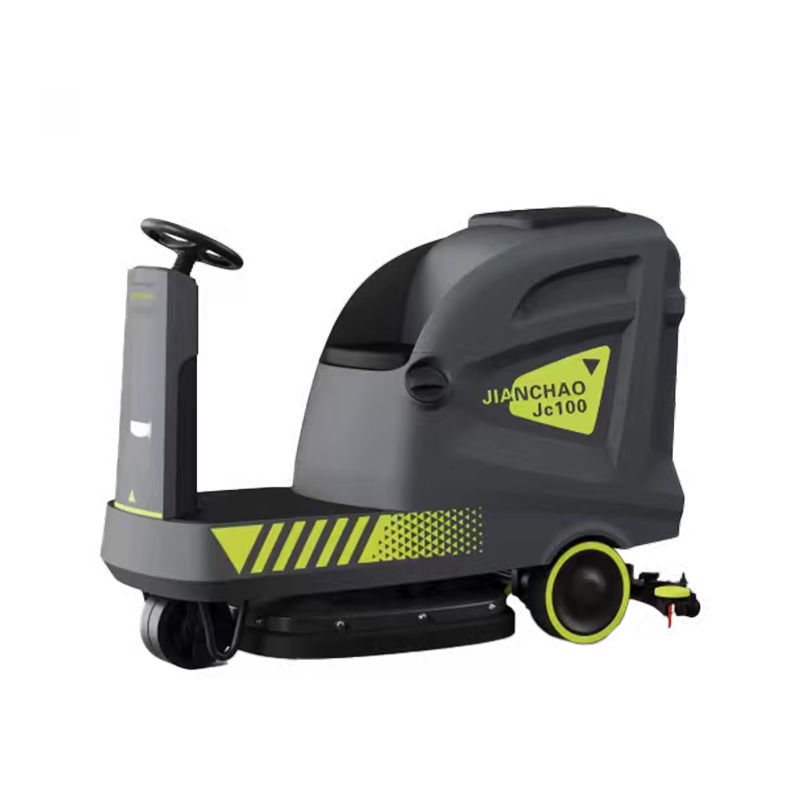
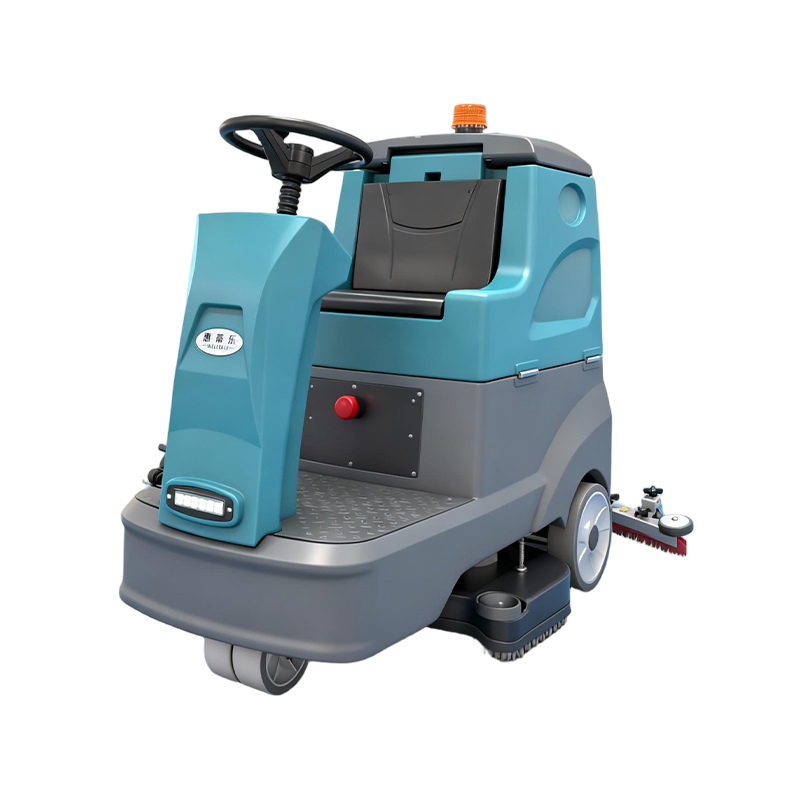
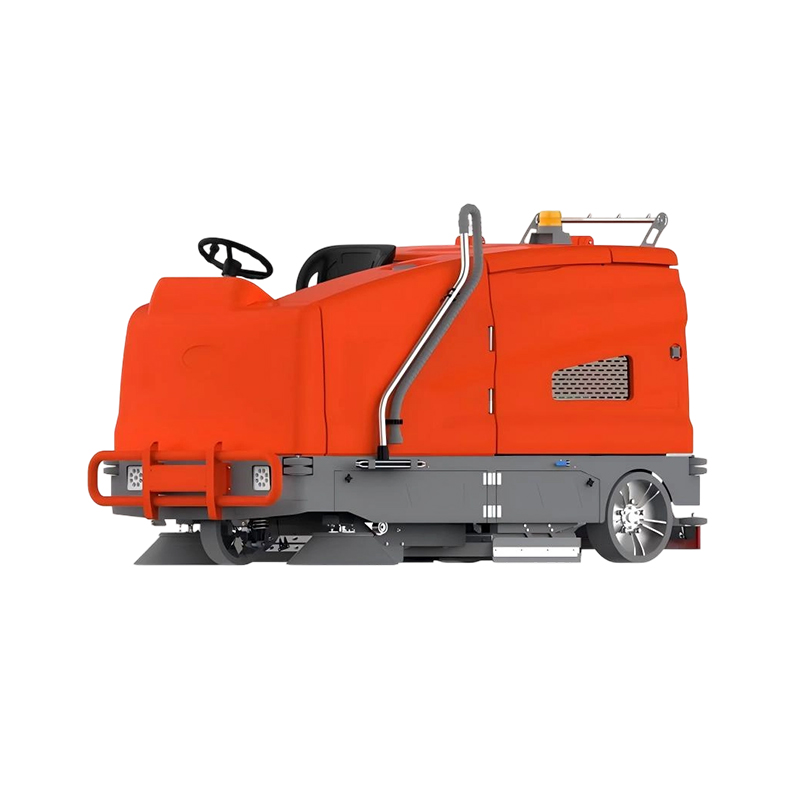
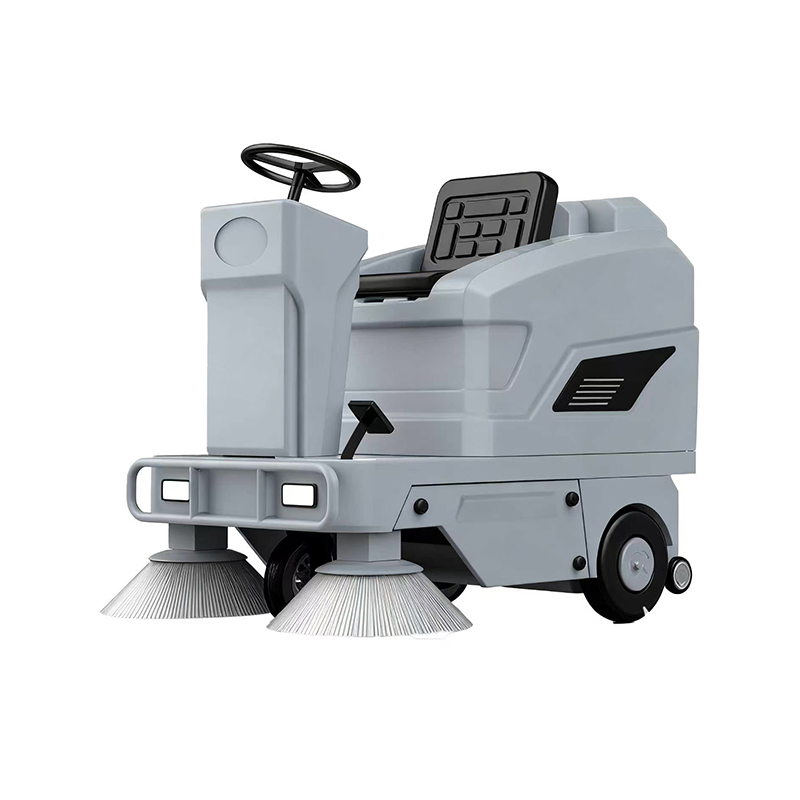
Direct conclusion: A modern industrial Ride On Scrubber operates 3 to 6 hours per charge and cleans between 4,500 to 11,000 square meters per hour depending on battery chemistry and scrub deck width. Lithium-ion models achieve 6 plus hours runtime and reduce total cleaning time by 45 percent versus walk-behind machines.
For warehouses above 10,000 square meters a ride on scrubber with cylindrical brushes and ec-H2O technology delivers the lowest cost per square meter.
Runtime varies significantly based on battery type and operating mode. Lead-acid batteries flooded or AGM typically provide 3 to 4.5 hours of continuous scrubbing on a full charge. In contrast lithium-ion packs deliver 5 to 6.5 hours due to higher usable capacity and consistent voltage output. For example the Tennant T7AMR with 360 Ah lithium battery runs 6.2 hours at standard scrub pressure. Aggressive scrubbing modes reduce runtime by 18 to 22 percent but improve soil removal by 35 percent on rough concrete. A 2024 fleet study of 45 ride on scrubbers showed that switching from lead-acid to lithium increased effective shift coverage by 112 percent because operators no longer needed battery change-outs.
| Battery chemistry | Typical voltage capacity | Average runtime hours | Full recharge time |
|---|---|---|---|
| Flooded lead-acid | 36V 400Ah | 3.2 - 4.0 h | 8 - 10 h |
| AGM sealed lead-acid | 36V 350Ah | 3.5 - 4.8 h | 6 - 8 h |
| Lithium-ion LiFePO4 | 36V 300Ah | 5.0 - 6.5 h | 2 - 3 h |
| High capacity lithium | 48V 500Ah | 6.5 - 8.0 h | 2.5 - 3.5 h |
Opportunity charging is a major advantage for lithium-ion systems. A 30 minute fast charge during operator breaks adds 1.2 to 1.6 hours of runtime. This allows two full shifts from a single machine. In contrast lead-acid batteries require 8 to 10 hours of cooling before recharging and cannot be opportunity charged without reducing lifespan. The battery management system in lithium packs also prevents deep discharge below 20 percent which extends total cycle life beyond 3,000 charges.
Theoretical coverage formula: scrub path width in meters multiplied by travel speed in meters per hour multiplied by an efficiency factor of 0.75 to 0.85. A ride on scrubber with 900 mm scrub deck traveling at 6 km per hour yields theoretical 5,400 square meters per hour. Actual effective coverage after accounting for turns obstacles and solution refills ranges from 3,800 to 4,500 square meters per hour. Wide area models with 1,200 mm deck increase theoretical coverage to 7,200 square meters per hour with effective coverage of 5,500 to 6,800 square meters per hour. However these wide models require aisle width of at least 2.8 meters. For heavy soil conditions such as oil or grease operators reduce travel speed to 4 km per hour dropping coverage to 2,800 to 3,500 square meters per hour but achieving 98 to 99 percent soil removal.
Real case: A 62,000 square meter automotive parts plant reduced cleaning time from 11 hours to 3.8 hours daily after deploying two lithium-ion ride on scrubbers with 1,050 mm cylindrical decks. The annual labor saving exceeded 42,000 USD.
Several engineering features directly improve cleaning results and reduce operating costs. Understanding these features helps buyers select the right machine for their floor type and soil load.
This system converts tap water into a cleaning solution through electrolysis eliminating the need for chemical detergents on most sealed floors. Independent tests show ec-H2O removes 92 percent of rubber tire marks and 88 percent of grease stains compared to 78 percent with standard detergents. Chemical costs drop by 65 to 80 percent annually. The solution also dries 40 percent faster reducing slip hazards in retail and hospital environments. For a 15,000 square meter supermarket ec-H2O saves approximately 1,200 USD per year in chemical purchases alone.
Cylindrical brush decks use two or three counter-rotating rollers that maintain constant pressure across the entire brush length. They outperform disc brushes on textured concrete quarry tile and grouted floors by delivering 30 to 35 percent higher soil removal according to ASTM F2191 standard test. For industrial grease and oil cylindrical brushes with 1,200 rpm and 180 kg down pressure remove 96 percent of residue in a single pass. Disc brushes require two passes for the same result. However disc decks are simpler to maintain and have 15 percent lower initial cost. The decision depends on floor type: cylindrical for heavy industrial and disc for smooth retail floors.
| Feature | Operational benefit | Productivity impact |
|---|---|---|
| On demand chemical dosing | Prevents over-application and waste | plus 18 percent coverage per solution tank |
| Automatic brush pressure control | Adjusts downforce for ramps and uneven floors | plus 25 percent cleaning consistency |
| Squeegee auto lift reverse | Prevents damage when backing up | reduces downtime by 40 percent |
| Telemetry fleet management | Real-time alerts for battery water and faults | plus 12 percent machine uptime |
Dual motor AC traction systems provide precise speed regulation and hill climbing ability up to 18 percent grade. A distribution center with 6 percent sloped loading docks reported that AC driven ride on scrubbers maintained 6.2 km per hour uphill while older DC models slowed to 3.8 km per hour. Electronic differential steering prevents inside wheel drag reducing floor marking and tire wear. Operator fatigue decreases significantly allowing longer productive shifts. Facilities with ramps or uneven surfaces should prioritize AC traction over DC systems despite higher upfront cost.
A 2024 analysis of 78 ride on scrubbers across logistics retail and manufacturing sectors revealed these average performance metrics:
Total cost of ownership comparison: lithium-ion models cost 35 percent more upfront but save 2,300 USD annually in battery maintenance watering equalization and energy based on 250 working days. Faster recharge enables 1.5 shifts from one machine reducing fleet size by 30 percent. Payback period typically 14 to 18 months for facilities running two shifts daily.
Implement these five practices to maximize battery runtime and overall scrubber reliability:
Facilities that follow these guidelines report average brush motor life exceeding 2,500 hours and squeegee blade life of 800 hours versus 500 hours for poorly maintained machines. Lithium battery packs maintained properly last 5 to 7 years compared to 2 to 3 years for lead-acid.
Final summary: A high performance Ride On Scrubber with lithium battery and cylindrical brush deck cleans 8,000 to 11,000 square meters per hour runs 5 to 6 hours per charge and reduces chemical costs by up to 80 percent using ec-H2O. For facilities above 10,000 square meters the return on investment typically occurs within 14 to 18 months due to labor water and chemical savings. Select battery type based on shift requirements and choose brush deck according to floor texture and soil load.

Contact Information
Xiaopu Langshan Industrial Park, Changxing County, Zhejiang Province, China
Keep in Touch
Can't find the answer you're looking for? Please chat to our friendly team.


 English
 中文简体
中文简体
 Español