Content
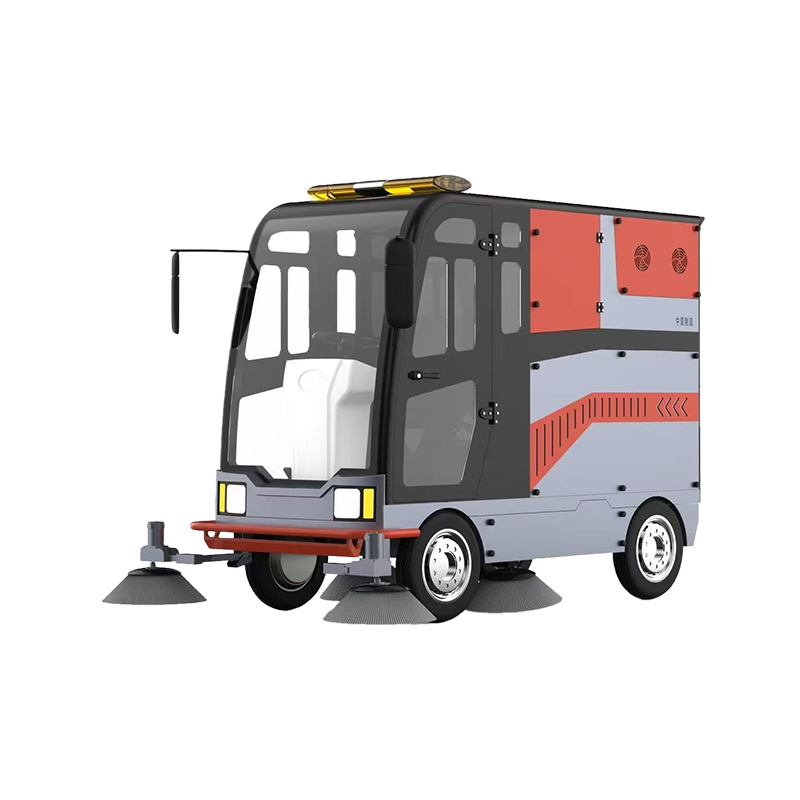
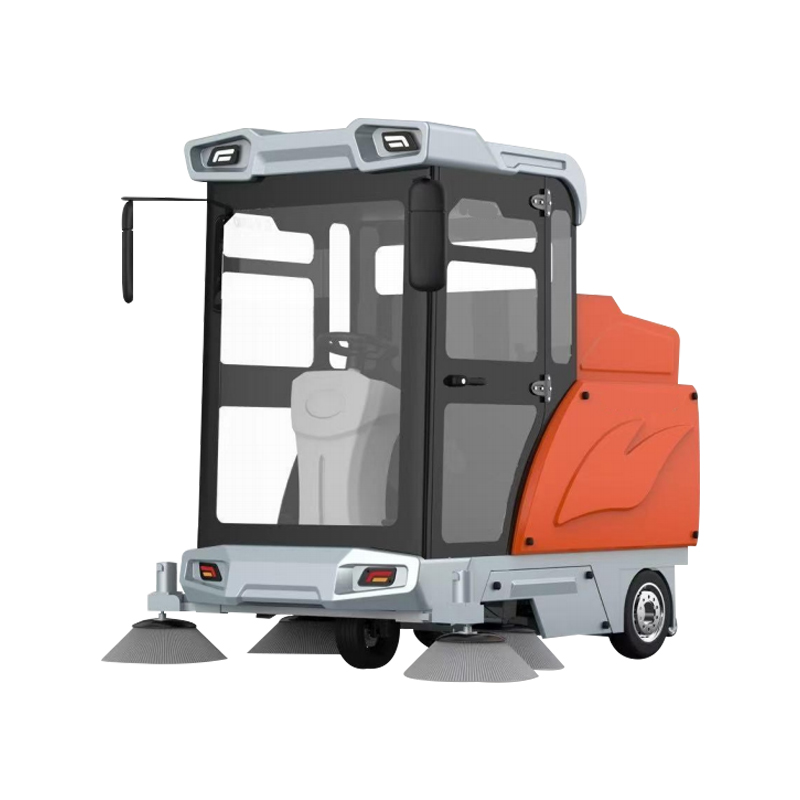
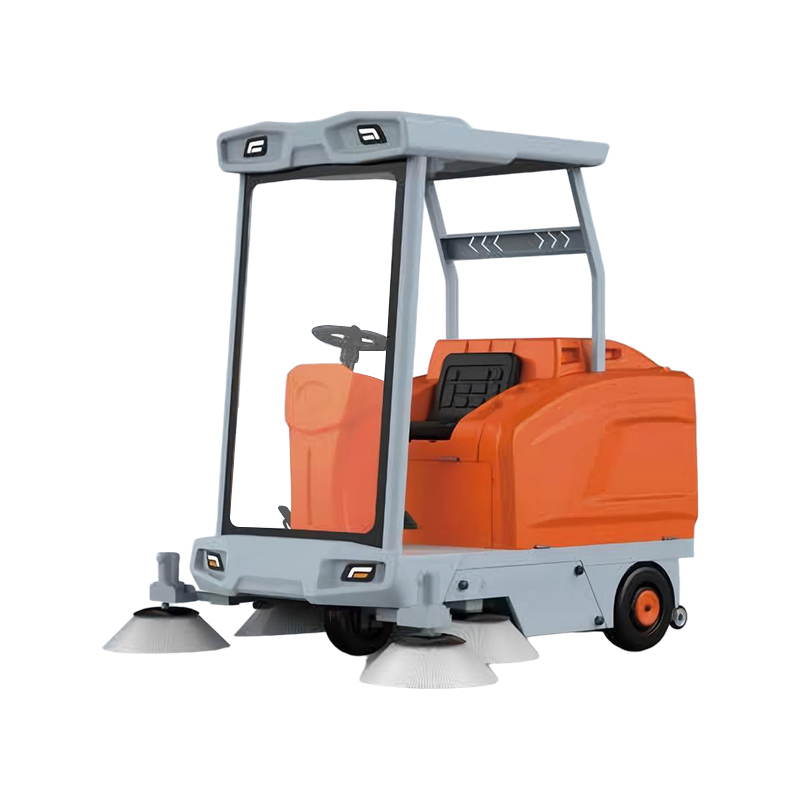
An Industrial Driving Four-Wheel Sweeper clears large industrial floors faster and more safely than push or three-wheel alternatives because its four-point chassis stays stable at higher speeds and on uneven surfaces while a combined sweep-and-vacuum system removes both bulk debris and fine dust in one pass. Facilities that adopt this equipment commonly cut daily floor-cleaning time by 40 to 50 percent compared with manual sweeping crews.
Buyers evaluating an industrial ride-on sweeper should compare five figures side by side, since these determine whether a machine matches the scale of a given facility.
The driving four-wheel design suits environments where floor area is large, debris is heavy, and downtime for cleaning needs to stay short. Typical settings include:
Demand for driving sweepers has grown alongside warehouse automation, since larger distribution centers need equipment that matches expanded floor plans. Industry data on cleaning equipment shows steady annual growth in the low-to-mid single digits for the broader industrial floor-cleaning machinery segment, driven largely by e-commerce fulfillment centers and expanding manufacturing capacity in food, pharmaceutical, and electronics production. Facilities that once relied on two or three walk-behind sweepers are increasingly consolidating cleaning tasks into a single ride-on unit, lowering labor headcount devoted to floor maintenance.
Plants covering more than 50,000 square feet typically reach return on investment for a four-wheel driving sweeper within 12 to 18 months through labor savings alone.
Safety is often the deciding factor in equipment upgrades, and the four-wheel driving format addresses several hazard sources directly.
Plants that schedule daily sweeps with a four-wheel unit frequently report fewer slip-and-fall entries in monthly safety logs compared with periods relying on manual sweeping.
Upkeep for these machines is predictable when service intervals are followed, and most facilities budget maintenance as a small percentage of the original purchase price.
| Main and side brush replacement | Every 300 to 500 operating hours |
| Vacuum filter service | Weekly cleaning, full replacement near 200 hours |
| Battery pack inspection | Quarterly checks, replacement every 3 to 5 years |
| Hydraulic and drivetrain review | Annually or every 500 operating hours |
| Typical annual maintenance spend | Around 3 to 6 percent of the machine purchase price |
Diesel models carry added fuel and engine servicing costs, while electric models shift spending toward periodic battery replacement rather than ongoing fuel expense.
Efficiency is best measured in square meters cleaned per labor hour, and the gap between manual and four-wheel driving methods is significant.
| Manual push broom crew | Roughly 1,000 to 1,500 square meters per hour per worker |
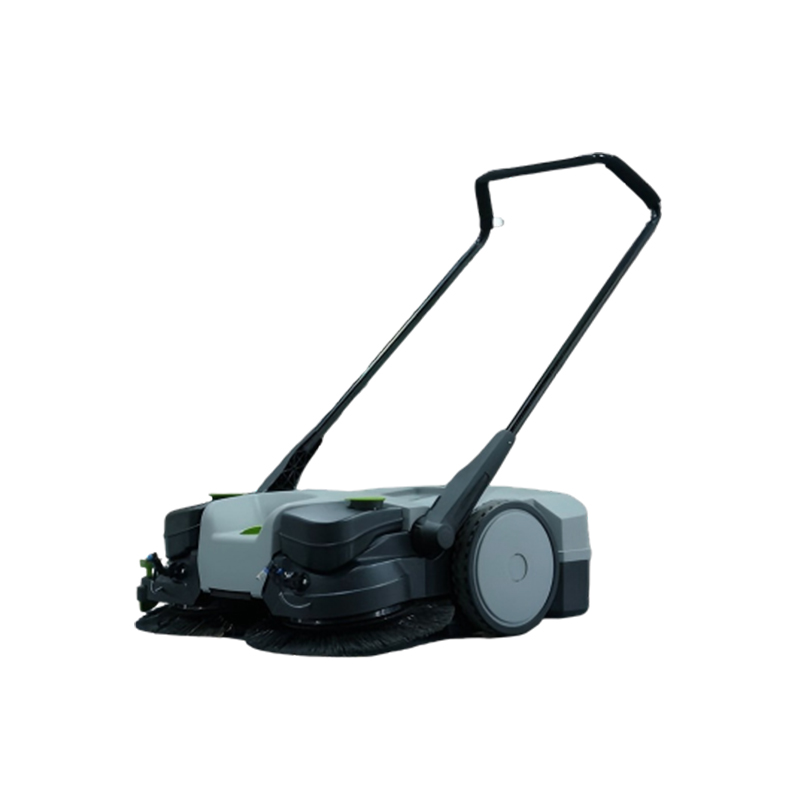
| Walk-behind power sweeper | Roughly 4,000 to 6,000 square meters per hour |
| Industrial driving four-wheel sweeper | Up to 22,000 square meters per hour with a single operator |
Beyond raw speed, a single operator can now cover ground that previously required a small cleaning crew, freeing staff for other maintenance tasks and reducing the total labor cost tied to floor upkeep across multi-shift operations.

Contact Information
Xiaopu Langshan Industrial Park, Changxing County, Zhejiang Province, China
Keep in Touch
Can't find the answer you're looking for? Please chat to our friendly team.


 English
 中文简体
中文简体
 Español