Content
Warehouse material handling equipment covers the machinery and systems used to move, store, control, and protect goods throughout a facility, from receiving through storage to outbound shipping. The right combination of equipment directly affects throughput, labor efficiency, and how consistently a facility meets order fulfillment targets.
Warehouse material handling equipment refers to the range of machines, structures, and systems used to physically move and store inventory within a facility. This spans powered equipment such as forklifts and conveyors, storage infrastructure such as pallet racking, and manual tools such as hand trucks, all working together to support the flow of goods from one process stage to the next.
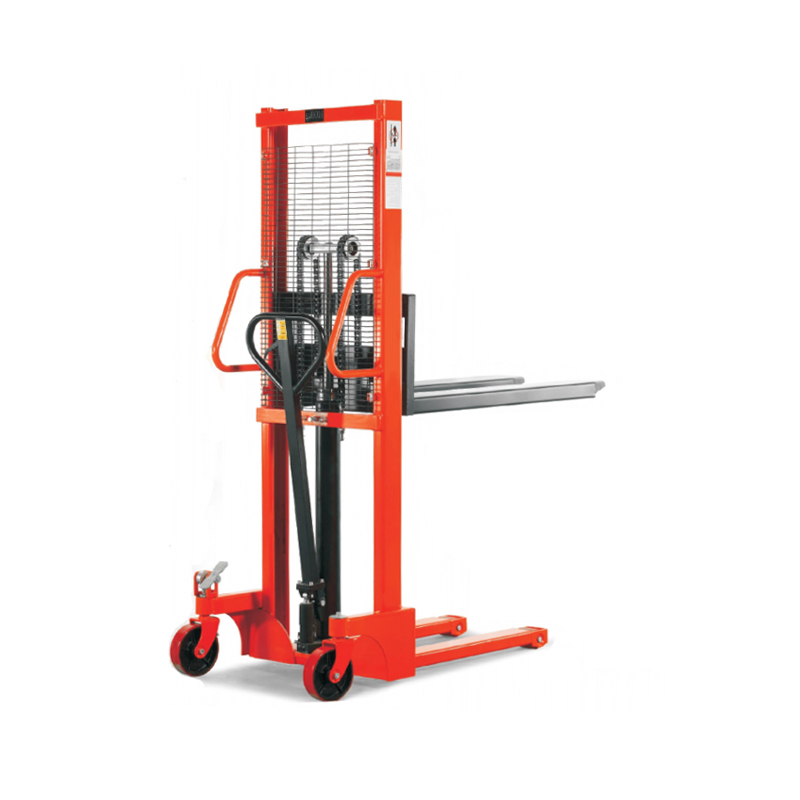
Common equipment includes forklifts, pallet jacks, conveyor systems, pallet racking, order pickers, automated guided vehicles, and mezzanine storage structures, each addressing a different stage of movement or storage within the facility.
Racking, shelving, and mezzanines that hold inventory in an organized, space-efficient layout between processing steps.
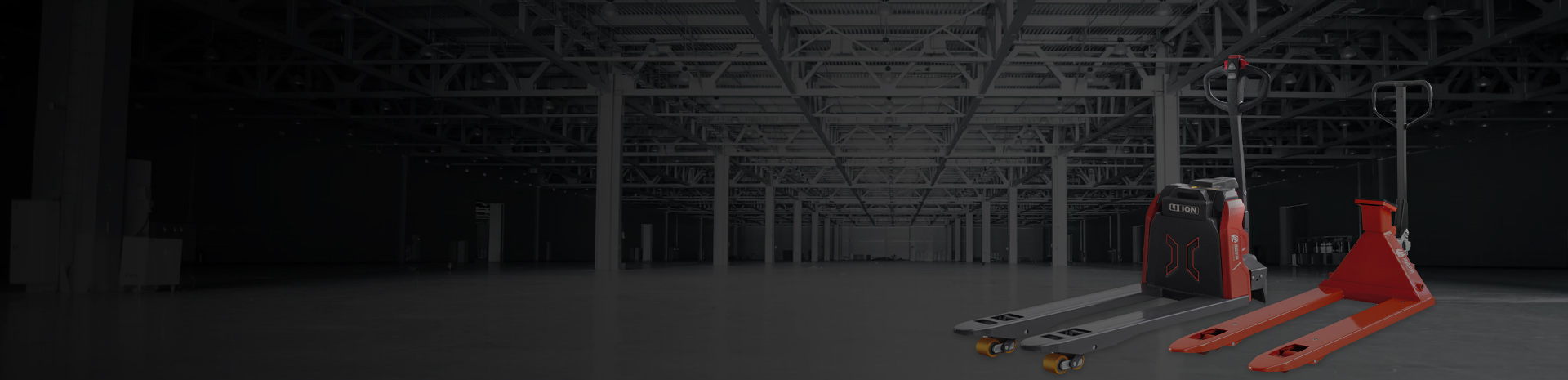
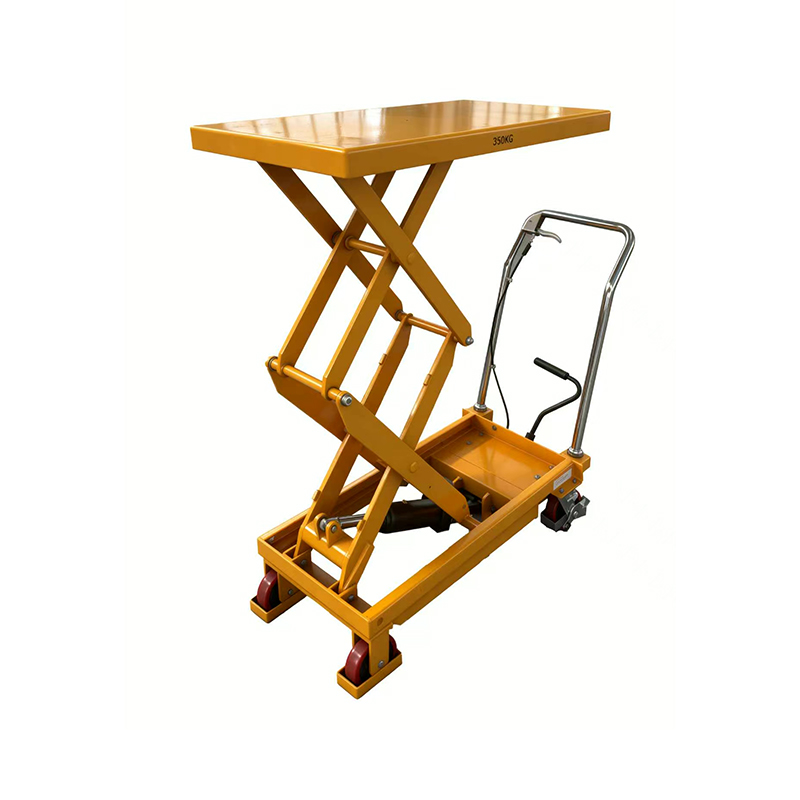
Forklifts, pallet jacks, and order pickers used for moving loads across variable distances within the facility.
Conveyors, automated storage and retrieval systems, and sortation equipment designed for repetitive, high-volume movement.
Hoppers, bins, and pneumatic conveying systems used for loose or granular materials rather than unitized loads.
| Parameter | Typical Range | Selection Relevance |
| Load Capacity | 500 kg to 5,000+ kg | Must match heaviest routine load with margin |
| Throughput Rate | 50 to 1,000+ units/hour | Governs required equipment count and layout |
| Power Source | Electric, propane, or manual | Affects indoor use suitability and operating cost |
| Aisle Width Requirement | 1.8 m to 3.5 m | Determines storage density achievable in the layout |
| Lift Height | Up to 12 m for high-bay systems | Sets maximum usable vertical storage capacity |
| Factor | Manual Equipment | Automated Equipment |
| Initial Investment | Lower | Higher |
| Labor Dependency | Higher, requires ongoing operator involvement | Lower, reduces routine operator tasks |
| Throughput Consistency | Variable, dependent on operator pace | Consistent, governed by system design |
| Flexibility for Layout Change | Higher, equipment repositioned easily | Lower, fixed systems require reconfiguration |
A material handling system is the coordinated combination of equipment, layout, and process flow that governs how goods move through a facility from receiving to shipping. Rather than treating each piece of equipment in isolation, a system approach considers how storage, transport, and picking equipment interact, aiming to minimize handoffs and reduce unnecessary movement between process stages.
Undersized equipment capacity relative to actual order volume is a frequent cause of bottlenecks, as is layout that forces unnecessary travel distance between storage and picking or packing areas. Equipment downtime from deferred maintenance compounds this effect, since a single unavailable unit can back up an entire process stage. Poor coordination between manual and automated equipment within the same system, such as conveyor speed mismatched to picking rate, also introduces delays that are easy to overlook during initial equipment selection.
Adoption of automated guided vehicles and robotic picking systems continues to expand as facilities look to reduce labor dependency for repetitive transport tasks. Integration between handling equipment and warehouse management systems is becoming standard, allowing real-time visibility into equipment utilization and throughput. Growing emphasis on energy efficiency is also shaping equipment choice, with electric-powered trucks increasingly specified over combustion alternatives for indoor operations.
Selecting the right warehouse material handling equipment requires evaluating throughput needs, facility layout, and total operating cost together, rather than choosing equipment types in isolation from how they will function as a coordinated system.
Forklifts, pallet jacks, conveyor systems, pallet racking, order pickers, and automated guided vehicles are among the equipment types used regularly across warehouse operations.
They cover planning, standardization, work efficiency, ergonomics, unit load sizing, space utilization, system integration, automation, environmental impact, and life cycle cost.
The four categories are storage and handling equipment, industrial trucks, engineered systems, and bulk material handling equipment.
Growth in automated guided vehicles, tighter integration with warehouse management systems, and a shift toward electric-powered equipment are shaping current equipment decisions.
It is the coordinated combination of equipment, layout, and process flow that governs how goods move through a facility, rather than a single piece of equipment operating on its own.
Undersized capacity, inefficient layout, deferred maintenance, and mismatched equipment speeds within the same process flow are common contributors to handling-related delays.

Contact Information
Xiaopu Langshan Industrial Park, Changxing County, Zhejiang Province, China
Keep in Touch
Can't find the answer you're looking for? Please chat to our friendly team.


 English
 中文简体
中文简体
 Español