Content
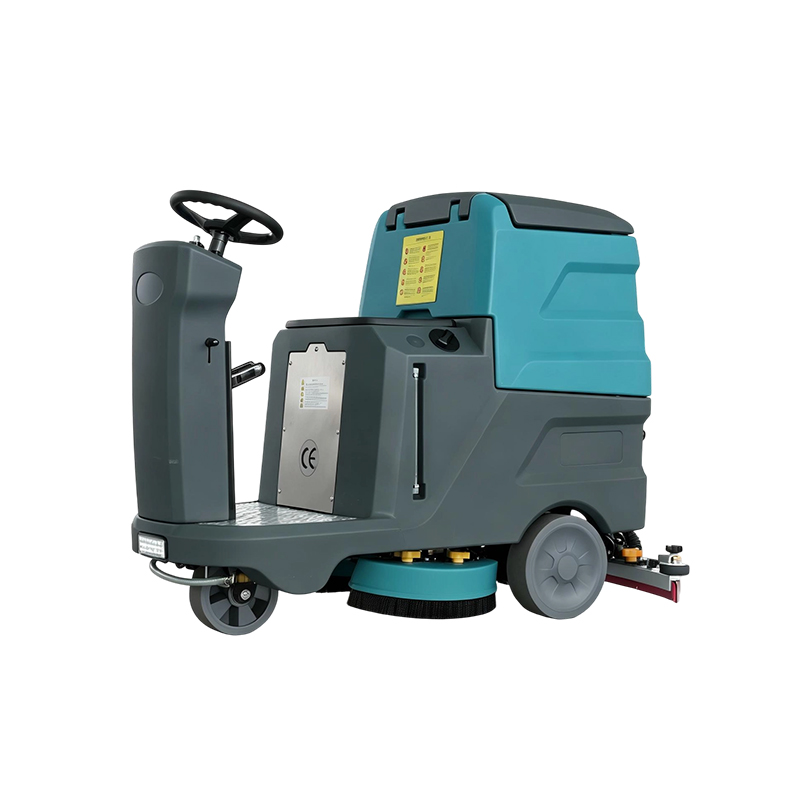
In the vast expanse of modern commercial and industrial facilities—from distribution warehouses and manufacturing plants to airport terminals and shopping malls—maintaining impeccable floor cleanliness is a monumental task. Traditional methods like mopping or using walk-behind scrubbers are often insufficient, leading to inconsistent results, high labor costs, and significant operational downtime. This is where the rideable floor scrubber emerges as a transformative solution. Also known as a ride-on scrubber, this machine is essentially a compact, self-propelled vehicle equipped with cleaning brushes or pads, a solution dispensing system, and a powerful vacuum that recovers dirty water, all in one seamless pass. The operator drives the machine, covering large areas with unprecedented speed and efficiency. This technological leap is not merely about replacing manual labor; it's about elevating the standard of cleanliness, optimizing workflow, and providing a return on investment through quantifiable gains in productivity. For facility managers and business owners, understanding the capabilities, selection criteria, and operational nuances of a rideable floor scrubber is key to making an informed decision that impacts both the bottom line and the working environment.
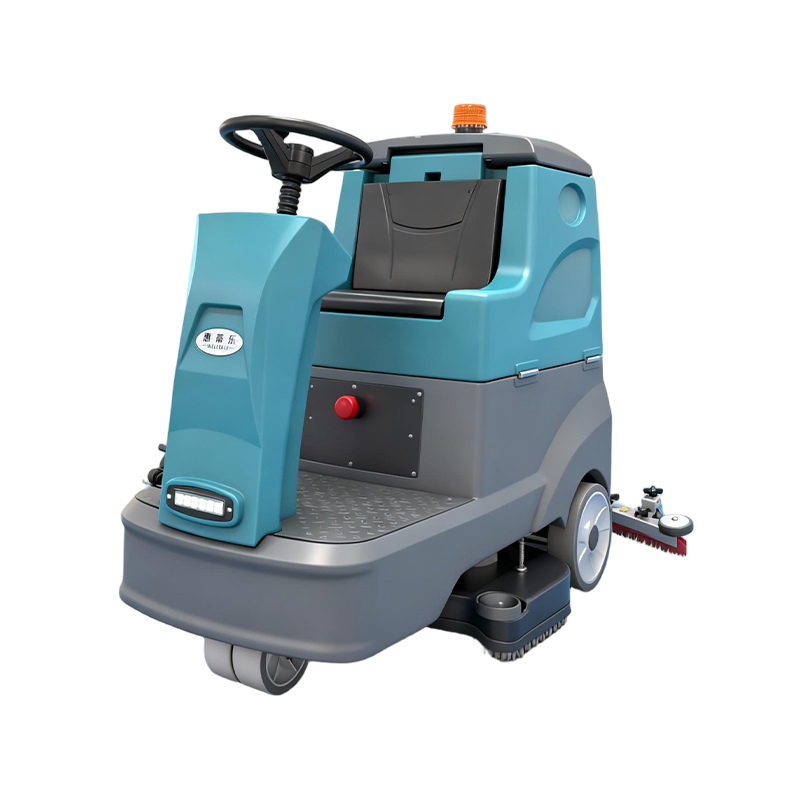
The decision to invest in a rideable floor scrubber is justified by a compelling array of benefits that directly address the pain points of large-scale cleaning. The most immediate advantage is a dramatic increase in productivity. A single operator on a ride-on machine can clean the same area in a fraction of the time it would take with a walk-behind model, often increasing cleaning speed by 300% or more. This translates directly into lower labor costs and the ability to clean more frequently or during shorter time windows, minimizing disruption to core business activities. Beyond raw speed, these machines significantly reduce operator fatigue. By sitting comfortably while driving, the operator avoids the physical strain of pushing a heavy machine, leading to higher job satisfaction, less turnover, and more consistent cleaning quality throughout a shift. Furthermore, the integrated design of a true commercial ride-on automatic scrubber dryer ensures a superior clean. It applies cleaning solution, scrubs with consistent downward pressure, and immediately vacuums the slurry, leaving a streak-free, dry floor that is immediately walkable—a standard difficult to achieve with manual methods.
Selecting the best rideable scrubber for large warehouses requires a focus on endurance, efficiency, and terrain capability. Key considerations include the cleaning path width—a wider machine cleans faster but must navigate between racking aisles. Tank capacity (both solution and recovery) is critical; larger tanks mean longer run times between refills and dump cycles, essential for covering vast uninterrupted spaces. Battery capacity (measured in Ah) must be sufficient for a full shift, often requiring 8-10 hours of runtime. For warehouse environments, the machine's ability to handle slight inclines (like dock ramps) and its traction on possibly dusty or slick surfaces are vital. The scrubber should also be compatible with the specific floor type, whether it's sealed concrete, epoxy, or polished stone, to avoid damage and ensure optimal cleaning.
The shift towards battery powered ride-on floor scrubber models represents the modern standard for indoor use. These machines offer zero local emissions, making them safe for use in enclosed spaces without requiring ventilation. They operate significantly quieter than engine-powered models, reducing noise pollution. Operating costs are generally lower, with electricity being cheaper than fuel, and maintenance is simpler due to fewer moving parts (no engines, oil changes). The primary considerations are the initial investment, which can be higher, and the management of battery charging cycles. Modern solutions often feature opportunity charging (using breaks to partially charge) and advanced battery management systems to extend lifespan. For most indoor commercial and industrial applications, a battery powered ride-on floor scrubber is the recommended, sustainable, and user-friendly choice.
The term commercial ride-on automatic scrubber dryer describes a fully integrated system. Key specs to evaluate include brush pressure (adjustable for different soils), brush type (cylindrical for heavy scrubbing, disc for polishing), and the vacuum system's water lift measurement (indicating suction power). The squeegee assembly behind the machine is crucial for water recovery; a well-designed, multi-blade squeegee ensures a dry finish. Understanding these specifications helps you match the machine's power to your soil removal challenges, whether it's light dust or heavy grease.
| Specification | What it Means | Why it Matters |
| Cleaning Path Width | The width of area cleaned in one pass | Directly impacts productivity and job time |
| Solution/Recovery Tank Capacity | Volume of clean and dirty water held | Determines runtime between service stops |
| Battery Voltage & Amp-Hours (Ah) | Power and capacity of the battery system | Dictates operational duration per charge |
| Vacuum Motor Power (Watts/CFM) | Suction strength for water recovery | Ensures a dry, streak-free floor |
A common and practical question revolves around ride on floor scrubber rental prices near me. Renting is an excellent strategy for short-term needs, such as covering for a broken machine, handling a one-time deep clean, or managing a seasonal spike in space. Rental costs vary based on the machine's sophistication, rental duration (daily, weekly, monthly), and what's included (delivery, pickup, maintenance). Searching locally ("near me") can offer convenience but may limit model selection. A national rental fleet might provide more options and standardized pricing. The alternative is outright purchase, which offers long-term cost control, immediate asset availability, and potential customization.
| Factor | Rental | Purchase |
| Initial Capital Outlay | Low (periodic payment) | High (one-time cost) |
| Long-Term Cost | Higher over 3+ years | Lower over 3+ years |
| Maintenance Responsibility | Typically covered by rental company | Owner's responsibility (or via service contract) |
| Flexibility | High; easy to switch models | Low; committed to one asset |
| Best For | Short-term projects, trial periods, infrequent need | Daily use, long-term operations, fleet standardization |
Purchasing becomes financially advantageous when the annual rental cost multiplied by the expected lifespan exceeds the purchase price plus maintenance. It also makes sense when you require a specific, consistently available machine for daily operations.
Learning how to operate a ride-on floor scrubber safely and effectively is straightforward with proper training. Begin with a pre-operation check: ensure the machine is charged, the solution tank is filled with the appropriate cleaner diluted in water, and the recovery tank is empty. Check that the brushes/pads and squeegee are in good condition and properly installed. To operate, typically turn the key to power on, release the parking brake, and use the drive control (often a pedal or lever) to move forward. Engage the scrub functions (solution flow, brush descent, vacuum) via a control panel. Drive in straight, overlapping passes for complete coverage. At the end of the job, park, raise brushes, turn off functions, and empty/rinse the recovery tank to prevent odors and buildup.
Safety is paramount. Operators must be trained to always wear appropriate footwear. Be acutely aware of pedestrians, obstacles, and edges (like loading docks). Use the machine's safety features, such as the seat switch that stops brushes if the operator stands up, and the emergency stop button. Never operate on inclines steeper than the manufacturer's rating, and be cautious when transitioning between different floor surfaces.
Understanding ride on floor scrubber rental prices near me requires knowing the variables. Prices can range significantly based on the machine's size and features. A basic model might rent for $150-$300 per day, while a large, advanced commercial ride-on automatic scrubber dryer could be $400-$800 per day. Weekly and monthly rates offer better value. The final cost is influenced by the rental duration, delivery/pickup fees, and whether insurance or damage waivers are included. The most accurate way is to contact local equipment rental yards with your specific requirements (cleaning path, battery life) for a detailed quote.
While a rideable floor scrubber excels at open areas, its design can make cleaning right up to walls and in tight corners a challenge. This is a key consideration when choosing the best rideable scrubber for large warehouses. Most machines have a "crib" or "offset" feature that allows the cleaning head to extend beyond one side of the machine, enabling it to clean flush against walls on one side. For corners and very tight spaces, a complementary walk-behind or even a manual tool is often still necessary to achieve 100% coverage. When planning your cleaning process, factor in this limitation.
A battery powered ride-on floor scrubber requires regular but manageable maintenance to ensure longevity and reliability. Daily tasks include emptying and rinsing the recovery tank, cleaning the squeegee and filters, and checking brush/pad wear. Weekly, you should inspect the scrub deck for debris and check tire pressure. The most critical aspect of battery care is following the manufacturer's charging guidelines: avoid completely draining batteries, use the correct charger, and perform equalization charges as recommended. Periodically, professional service for drive motor inspection and system diagnostics is advised. Proper maintenance directly impacts machine uptime and total cost of ownership.
To select the right machine, start by calculating your total cleanable square footage. Then, determine your available cleaning time window (e.g., 4 hours overnight). Divide the area by the time to get your required cleaning speed (sq ft/hr). Compare this to a machine's productivity rating (provided by manufacturers), which is its effective cleaning rate considering turns and refills. For example, to clean 100,000 sq ft in 4 hours, you need a machine rated for at least 25,000 sq ft/hr. Also, measure your narrowest aisle to ensure the machine's width (or its cleaning path with offset) can fit. This quantitative approach is the best way to match a rideable floor scrubber to your specific operational requirements.

Contact Information
Xiaopu Langshan Industrial Park, Changxing County, Zhejiang Province, China
Keep in Touch
Can't find the answer you're looking for? Please chat to our friendly team.


 English
 中文简体
中文简体
 Español