Content
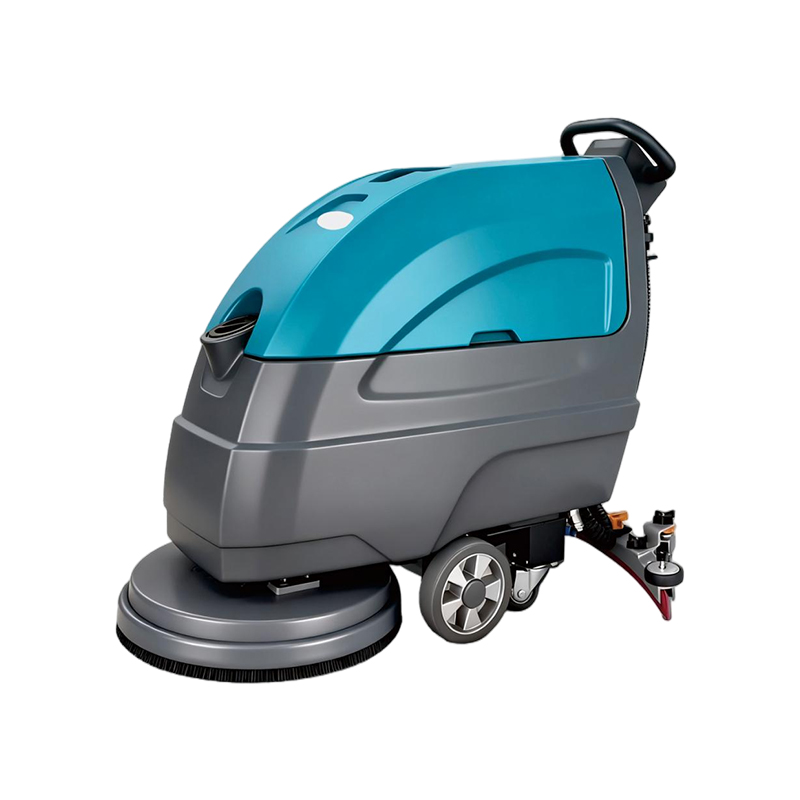
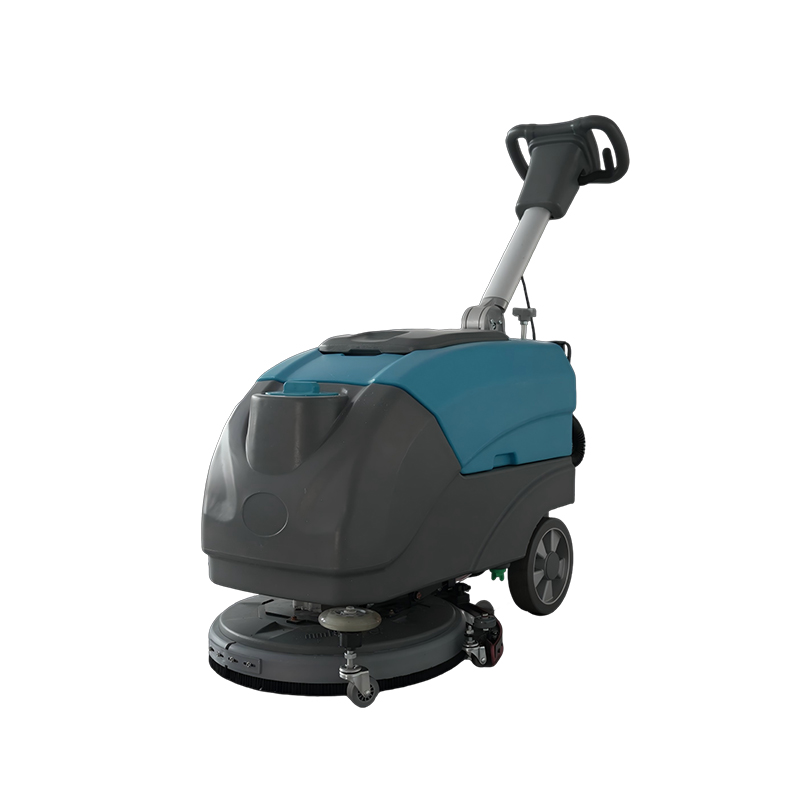
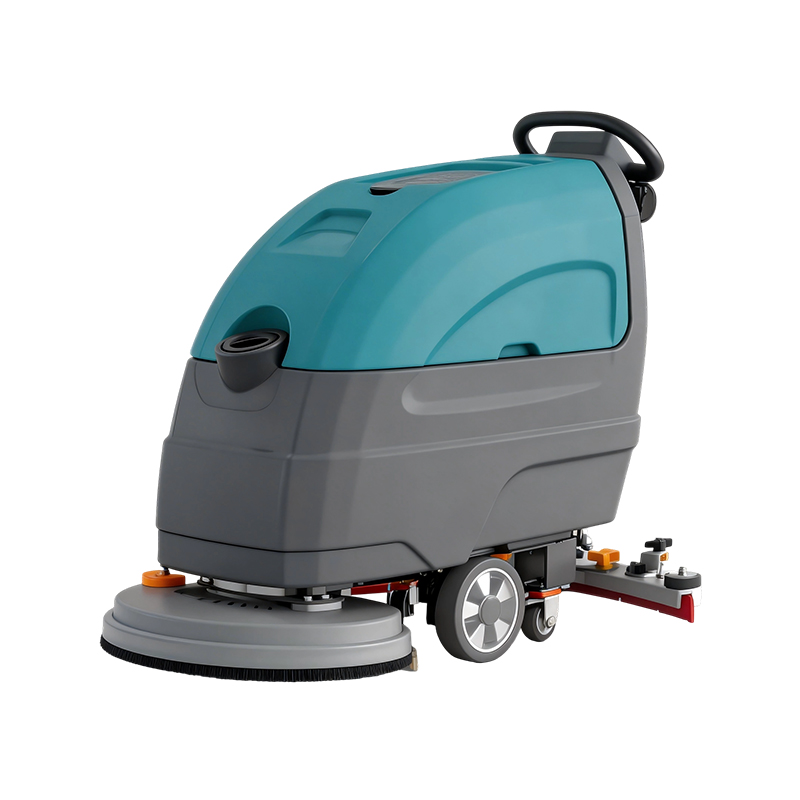
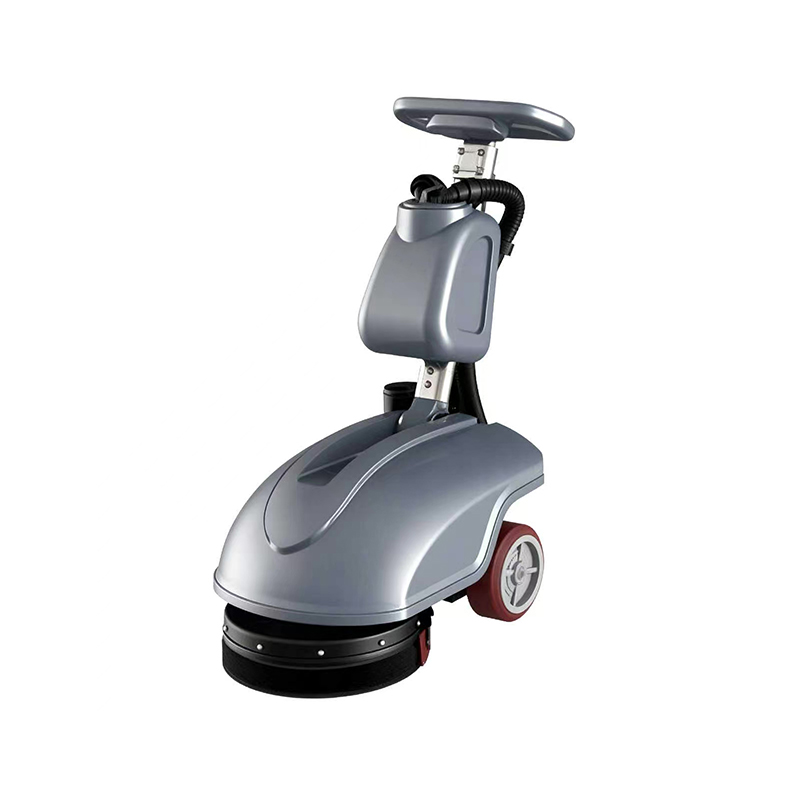
In the world of commercial and industrial facility management, floor cleanliness is non-negotiable. It impacts safety, operational efficiency, and brand perception. For operations ranging from vast warehouses to busy retail spaces, the Walk Behind Scrubber stands as a critical tool for achieving a consistently high standard of cleanliness efficiently. However, with various models, features, and acquisition paths available, selecting the right machine can be a complex decision. A poor choice leads to inadequate cleaning, operator fatigue, and unexpected costs. This comprehensive guide will help you navigate the key considerations—from technical specifications to financial strategy—to identify the ideal walk-behind scrubber that delivers maximum value and performance for your specific operational needs.
Selecting the right equipment begins with a thorough audit of your own facility's unique demands. The "best" machine is the one most precisely matched to your environment, not necessarily the one with the most features. A detailed analysis ensures your investment directly addresses your challenges rather than creating new ones. The primary factors to evaluate include the physical characteristics of your space, the nature of the surfaces and soils you contend with, and your overarching goals for efficiency and cost management. This foundational step connects your daily realities to the technical specifications you will prioritize in a Walk Behind Scrubber.
Once your needs are clear, you can effectively evaluate the machinery itself. The performance gap between a basic and a high-performance commercial walk behind scrubber dryer is found in its core systems. Understanding the engineering behind the brush drive, propulsion, water management, and recovery is essential. This section breaks down these components, explaining how each contributes to the machine's overall effectiveness, durability, and operator experience. Investing time here prevents you from being swayed by superficial specifications and helps you identify the true workhorse for your facility.
The brush system is the heart of the scrubbing action, directly responsible for soil removal. The two main configurations offer distinct advantages. Disk brushes (often single or dual) are common and provide excellent scrubbing pressure on a concentrated area. Cylindrical brushes (often in a walk behind scrubber with dual brushes configuration) offer a larger cleaning path and a gentle, rolling action that is superb for preserving delicate floors and effectively cleaning textured surfaces. The choice impacts cleaning speed, maneuverability, and floor compatibility.
| Brush Type | Best For | Key Advantage | Consideration |
| Single Disk Brush | Smaller areas, tight budgets, focused heavy soil removal. | High downward pressure for aggressive scrubbing. | Narrower cleaning path, can leave tighter circle marks. |
| Dual Disk Brushes | Balancing cleaning power with a wider path. Common in mid-range models. | Wider coverage than a single brush, good for general use. | May have a larger turning radius than cylindrical brushes. |
| Dual Cylindrical Brushes | Large, open areas; delicate floors (polished concrete, epoxy); textured surfaces. | Widest cleaning path, gentle on floors, excels at dust control. | Typically a higher initial investment. |
How the machine moves significantly affects operator productivity and fatigue. Manual push/pull scrubbers are low-cost but impractical for large areas. Gear-driven models provide assisted movement, reducing effort. The pinnacle is the best walk behind auto scrubber, which features an electric drive motor, allowing the operator to control speed and direction with minimal physical effort, dramatically increasing productivity and enabling use over larger areas and longer shifts.
A true commercial walk behind scrubber dryer doesn't just wash the floor; it leaves it clean and dry. This is the function of the integrated solution and recovery system. Key performance metrics include tank capacity (which dictates runtime between refills/emptying), the efficiency of the vacuum motor (measured in water lift or CFM), and the design of the squeegee/vacuum head. A powerful system ensures maximum water pickup, leaving floors safe to walk on immediately and preventing slip hazards.
The acquisition strategy is as important as the machine specification. The right financial model depends on your cash flow, project duration, and long-term plans. For businesses with consistent, ongoing needs, purchasing a new machine offers long-term value. For short-term projects, uncertain demand, or budget constraints, a walk behind floor scrubber rental provides ultimate flexibility without a large capital outlay. Meanwhile, the market for a used walk behind scrubber for sale can offer significant upfront savings but requires diligent inspection to avoid high maintenance costs.
| Acquisition Method | Best Suited For | Key Advantages | Potential Drawbacks |
| Purchasing New | Stable, long-term cleaning needs; businesses prioritizing latest tech and full warranty. | Full ownership, lowest long-term cost per hour, latest features and efficiency, comprehensive warranty. | Highest upfront capital expenditure, responsibility for maintenance. |
| Rental | Short-term projects (construction clean-up), peak season needs, testing a model before buying. | Minimal upfront cost, flexibility, maintenance often included, access to latest equipment. | Higher cumulative cost over long periods, no equity build-up. |
| Buying Used | Budget-conscious buyers with technical knowledge or reliable service support. | Substantial upfront cost savings vs. new, potential to get a higher-capability machine for the price. | Unknown service history, potential for imminent repairs, out-of-date technology, limited or no warranty. |
So, how do you finally identify the best walk behind auto scrubber? The answer lies in synthesizing all previous analysis. "Best" is defined by a combination of superior performance metrics, demonstrable reliability, and a favorable total cost of ownership (TCO). It's the machine that meets your specific Part 1 requirements, incorporates the high-performance features from Part 2 suitable for your challenges, and aligns with your financial strategy from Part 3. Look for machines built with robust components—high-torque brush motors, industrial-grade pumps, and durable chassis construction. Strong after-sales support from the supplier, including readily available parts and certified technicians, is a non-negotiable trait of a top-tier commercial partner. This support ensures your machine remains a productive asset for years, not a source of downtime.
The primary advantage is a significantly wider cleaning path, which reduces the number of passes needed to cover a given area, directly boosting productivity. Specifically, a walk behind scrubber with dual brushes (especially cylindrical ones) provides more consistent down pressure across the entire width and is often superior at controlling dust and cleaning textured floors compared to single-disk models. It represents the ideal balance of coverage and effective cleaning for most general industrial and commercial applications.
The decision between a walk behind floor scrubber rental and a purchase hinges on usage duration and financial strategy. Renting is financially prudent for short-term, defined projects (less than 3-6 months), when testing a specific model, or to handle temporary spikes in workload. Purchasing is the superior long-term investment for ongoing, daily use, as the cumulative rental fees will quickly surpass the purchase price, and ownership allows you to build equity in a capital asset and have immediate, unlimited access to the equipment.
Inspecting a used walk behind scrubber for sale requires a meticulous approach. First, verify the machine's hour meter reading to gauge its life. Physically inspect the brush drive motors, vacuum motor, and solution pump for signs of leaks or unusual noise. Check the condition of the squeegee blades and brush housings for excessive wear. Most critically, obtain full service records and, if possible, request a performance demonstration on a wet floor to test its vacuum recovery and drive functions. A machine with documented maintenance history is always a lower-risk purchase.
A true best walk behind auto scrubber is defined by its self-propelled drive system. Unlike manual or gear-assisted models, an auto-scrubber has an electric drive motor that propels the machine forward and backward at variable speeds controlled by the operator. This key feature eliminates the physical effort of pushing, allowing operators to cover vastly larger areas efficiently and without fatigue. Other features commonly associated with top auto-scrubbers include automated solution control, larger tank capacities, and enhanced recovery systems.
Calculating required battery runtime involves understanding your machine's amp-hour (Ah) rating and your average cleaning speed. First, determine the total area you clean per shift. Then, using the machine's cleaning path width and a realistic travel speed (including turns and refills), calculate the total run time needed to cover that area. Select a battery pack (measured in Ah) that exceeds this runtime by at least 20% to account for battery aging and avoid deep discharges, which prolongs battery life. For multi-shift operations, consider fast-charger systems or opportunity charging.

Contact Information
Xiaopu Langshan Industrial Park, Changxing County, Zhejiang Province, China
Keep in Touch
Can't find the answer you're looking for? Please chat to our friendly team.


 English
 中文简体
中文简体
 Español