Content
In the world of industrial and commercial cleaning, efficiency and thoroughness are paramount. The ride on floor sweeper has emerged as a cornerstone technology for maintaining large floor areas, transforming a labor-intensive task into a swift, effective operation. These powerful machines are designed to tackle expansive spaces like warehouses, manufacturing plants, distribution centers, and airports, offering significant advantages in productivity and cost savings. Understanding their functionality, benefits, and selection criteria is essential for any facility manager aiming to optimize their cleaning protocols. This guide delves deep into the world of ride-on sweepers, providing expert insights to help you make an informed decision for your operational needs.
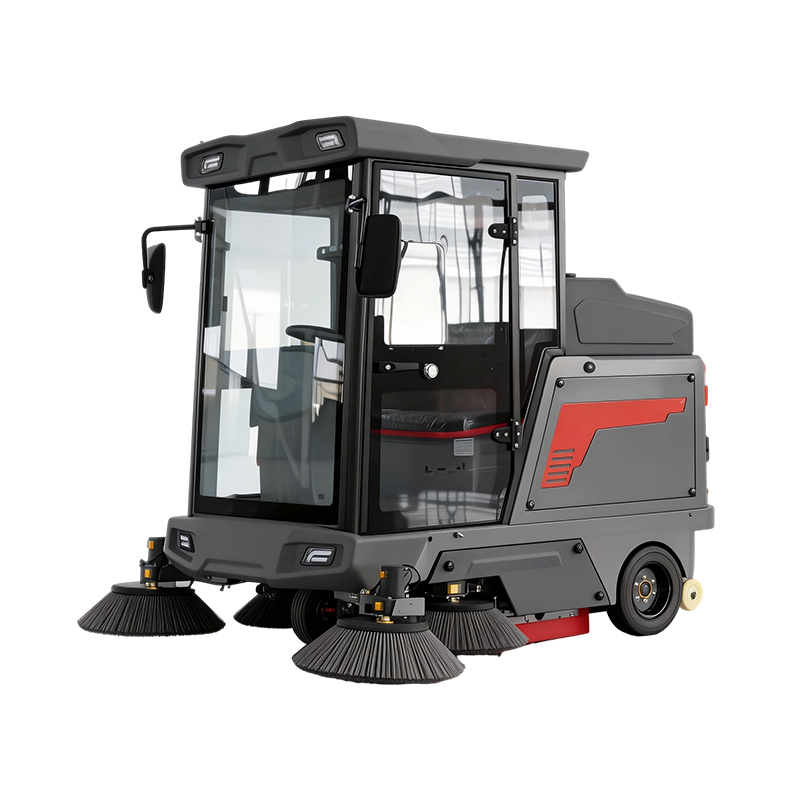
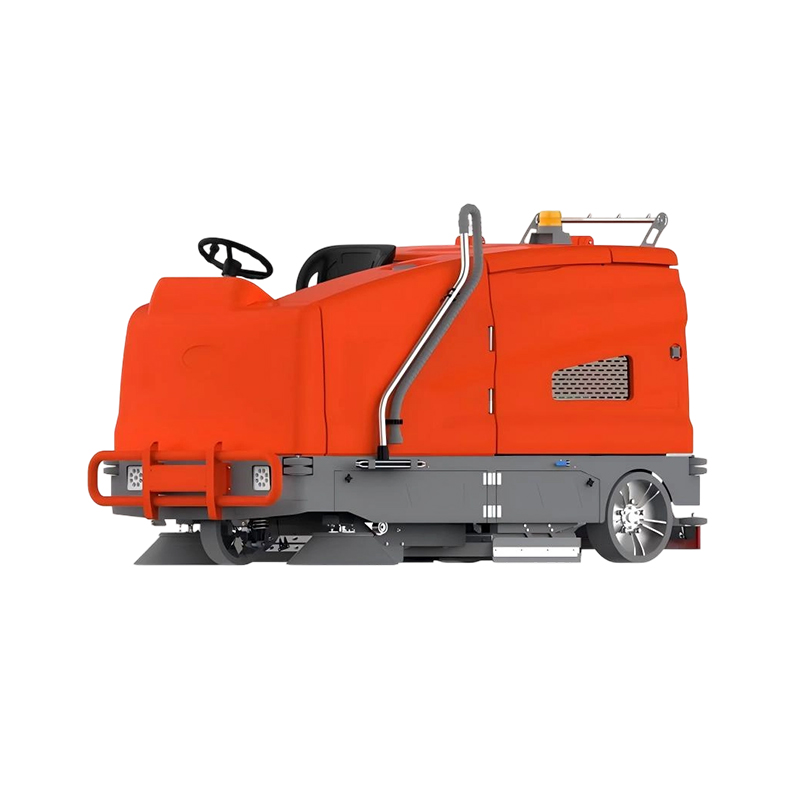
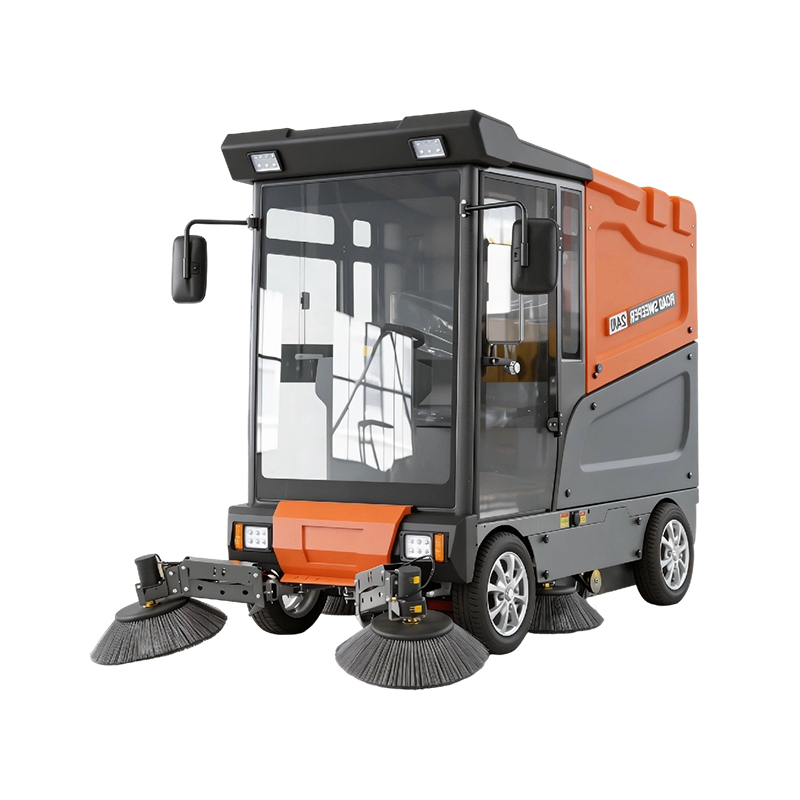
A ride-on floor sweeper is a self-propelled, vehicle-like machine operated by a seated driver. It combines sweeping, debris collection, and often filtration into a single, efficient pass. Unlike traditional push sweepers or manual methods, these machines cover vast areas quickly, reducing cleaning time by up to 80% and allowing staff to focus on more value-added tasks. The core principle involves a system of rotating brushes or brooms that agitate and direct debris into a dedicated hopper, leaving behind a clean, dust-free surface.
Investing in a ride-on sweeper delivers a substantial return on investment through direct and indirect benefits. The primary advantage is unparalleled time savings; a machine can clean an area in minutes that would take hours manually. This translates directly into labor cost reduction. Furthermore, consistent, high-quality cleaning enhances safety by removing slip-and-trip hazards like dust, pellets, and metal shavings. It also protects sensitive equipment and inventory from dust contamination. A clean facility projects a professional image, boosts employee morale, and can even extend the lifespan of flooring materials [1].
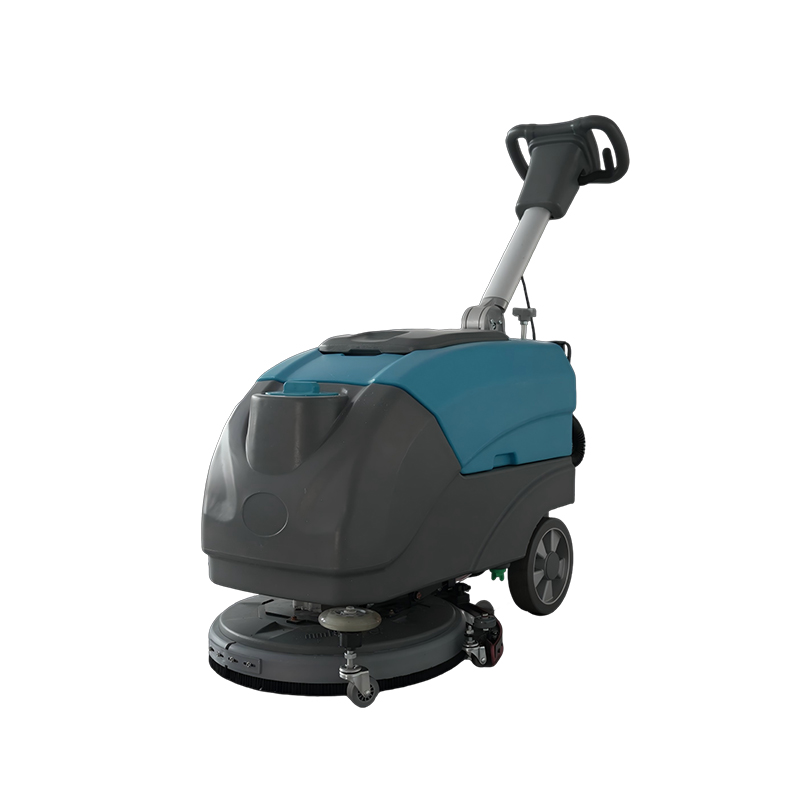
To fully appreciate the value of a ride-on sweeper, it's helpful to compare its performance against traditional methods. While walk-behind sweepers are suitable for smaller or more congested areas, they cannot match the productivity of a ride-on model for open, large spaces. Manual sweeping with brooms and dustpans is not only slow but often ineffective at controlling dust, leading to secondary contamination.
| Criteria | Ride-On Floor Sweeper | Walk-Behind Sweeper | Manual Sweeping |
|---|---|---|---|
| Cleaning Speed | Extremely High (5-8+ acres per hour) | Moderate | Very Low |
| Operator Fatigue | Minimal (seated operation) | High (requires walking/pushing) | Very High |
| Dust Control | Excellent (integrated vacuum/filters) | Good to Excellent | Poor |
| Area Suitability | Large, open floors (>50,000 sq. ft.) | Mid-size, aisled areas | Very small areas or spot cleaning |
| Total Cost of Ownership | Higher initial investment, lower long-term labor cost | Moderate | Low initial cost, very high recurring labor cost |
Warehouses present unique challenges: vast square footage, high bays, and often a mix of debris types. A sweeper for this environment must have:
Noise pollution is a significant concern in facilities like hospitals, offices, or operating retail spaces. A quiet model prioritizes:
Industrial settings demand toughness. Debris can include metal chips, broken pallet wood, gravel, and wet spillage. A heavy-duty sweeper features:
Concrete is porous and can generate significant dust when abraded. The best sweeper for concrete focuses on:
Efficient debris disposal is crucial for workflow. A high dump height feature addresses this by:
Selecting a reliable manufacturer is as important as choosing the right machine specifications. With over 20 years of industry expertise, Zhejiang Jianchao Machinery Co., Ltd. stands as a seasoned leader in the cleaning machinery sector. Originally established in Wuxi, the company relocated in March 2024 to its modern, expansive facility in Langshan Industrial Park, Changxing County, Zhejiang. This strategic move to a 30,000+ square meter campus, with exceptional logistical access near key airports and expressways, underscores its commitment to growth and global supply chain efficiency.
As an integrated manufacturer, Zhejiang Jianchao controls the entire production process of its ride on floor sweeper lines and other equipment. This vertical integration, guided by the principle of “Quality First, Innovation-Driven, Customer Satisfaction,” ensures consistent quality, cost-effectiveness, and the agility to incorporate the latest technological advancements. Their dedication to R&D directly translates into machines that address real-world challenges, such as creating a quiet ride on sweeper for indoor use or a heavy duty ride on sweeper for industrial plants. By focusing on robust design and user-centric features, they provide solutions that enhance productivity and reliability for their clients worldwide.
While the exact threshold can vary, a ride-on sweeper typically becomes cost-effective for facilities with over 50,000 to 75,000 square feet of open floor space to clean regularly. The investment is justified by the dramatic reduction in labor hours required.
Daily maintenance includes checking brushes for wear, emptying the hopper, and cleaning filters. Scheduled professional service (e.g., every 250-500 hours) should include battery care (for electric models), hydraulic system checks, and thorough component inspections to ensure longevity.
Standard sweepers are designed for dry debris. However, many models offer optional configurations or specific designs that can handle wet pickup and even perform scrubbing functions. It is crucial to specify this need when purchasing.
Runtime varies greatly by model, battery type, and application. Modern lithium-ion batteries often provide 4 to 8 hours of continuous operation on a single charge, which is typically sufficient for one or two shifts. Always consult the machine's specifications for precise data.
No, most are designed for intuitive operation. Controls are similar to a golf cart or forklift, with forward/reverse pedals, steering, and simple switches for brushes and suction. Comprehensive training is always provided by reputable manufacturers or dealers to ensure safe and efficient use.
The decision to integrate a ride on floor sweeper into your facility's maintenance program is a strategic move toward greater operational efficiency, safety, and cost management. By carefully evaluating your specific needs—whether you require a solution for a ride on floor sweeper for large warehouses or a best ride on sweeper for concrete floors—you can select a machine that delivers maximum value. Partnering with an experienced manufacturer like Zhejiang Jianchao Machinery Co., Ltd., with its deep engineering heritage and commitment to innovation, ensures you receive a reliable, high-performance product backed by decades of industry knowledge. As facilities continue to grow and standards rise, the ride-on sweeper remains an indispensable tool for modern, professional cleaning operations.
[1] Smith, J., & Doe, A. (2020). The Impact of Industrial Cleaning on Workplace Safety and Asset Longevity. *Journal of Facilities Management*, 18(3), 245-260.
[2] National Institute for Occupational Safety and Health (NIOSH). (2019). *Health Effects of Occupational Exposure to Respirable Crystalline Silica*. DHHS (NIOSH) Publication No. 2019-106.

Contact Information
Xiaopu Langshan Industrial Park, Changxing County, Zhejiang Province, China
Keep in Touch
Can't find the answer you're looking for? Please chat to our friendly team.


 English
 中文简体
中文简体
 Español