Content
Four-wheel sweepers are essential for efficient urban and industrial cleaning, used in large areas like streets, parking lots, and warehouses. With urbanization and industrial growth, manual cleaning is no longer sufficient, leading to the adoption of mechanical sweepers. These machines use brushes, vacuum systems, and sometimes water-spraying mechanisms to remove debris quickly and effectively. Technological advancements have made modern four-wheel sweepers eco-friendly, user-friendly, and more effective.
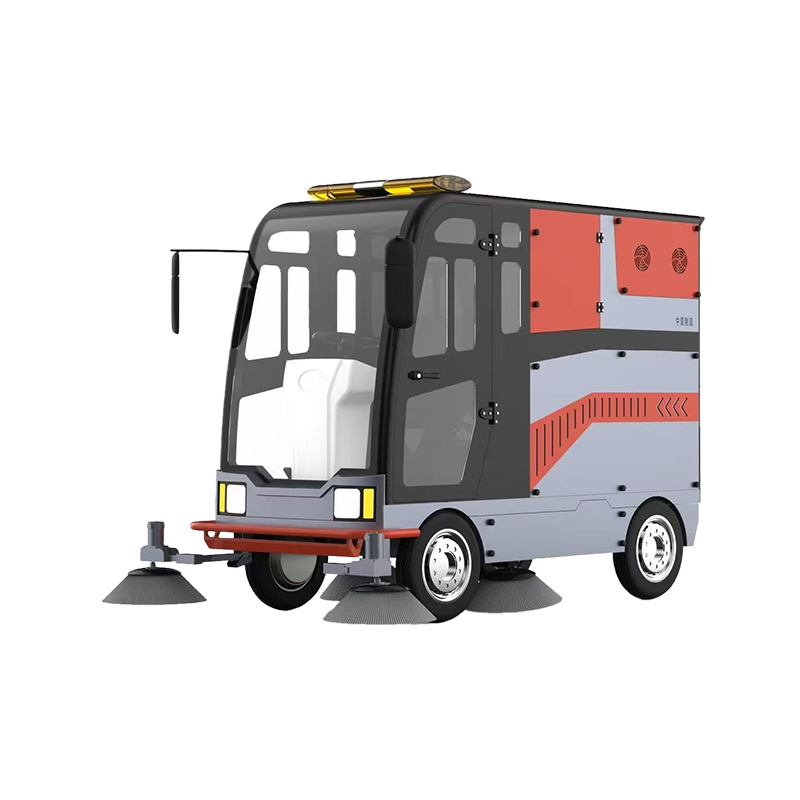
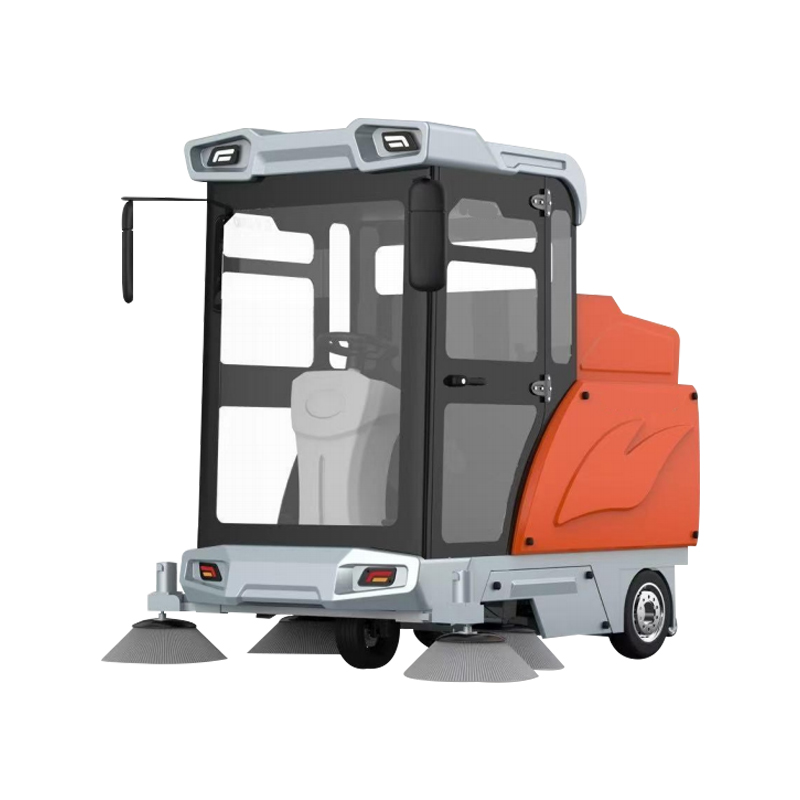
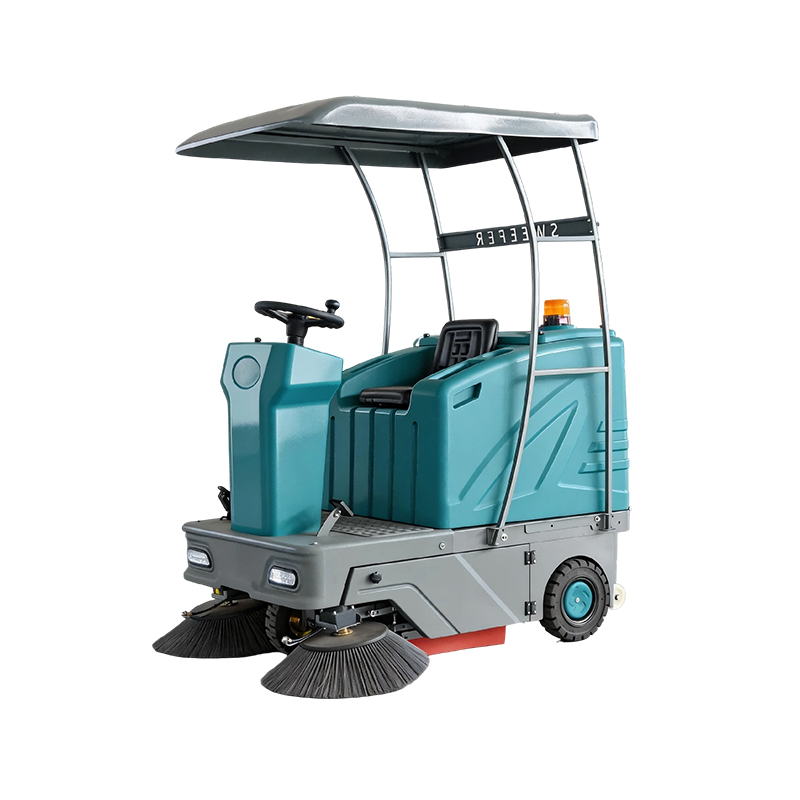
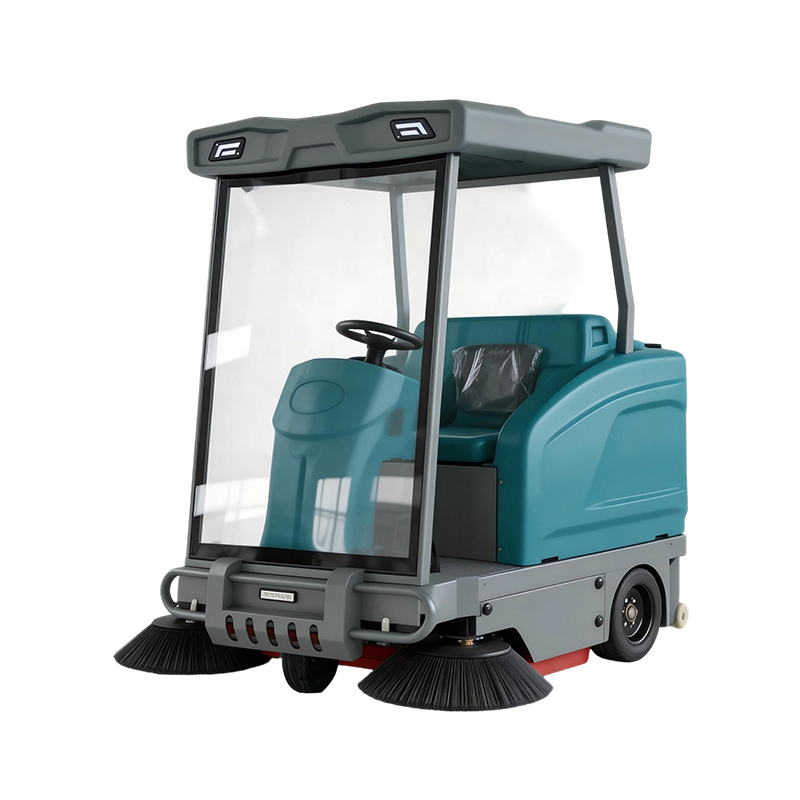
A four-wheel sweeper is a motorized cleaning vehicle designed to efficiently remove dirt, debris, and litter from large surfaces such as streets, industrial spaces, and parking lots. These machines typically feature a combination of brushes, vacuum systems, and sometimes water sprayers to ensure thorough cleaning. The design of a four-wheel sweeper is tailored to optimize cleaning speed and effectiveness, which is essential for handling large, high-traffic areas where conventional manual cleaning methods would be inefficient or impractical.
The structure of a four-wheel sweeper includes several key components: the sweeper brushes, which are used to push debris toward a central vacuum system; the vacuum mechanism, which sucks up the debris and stores it in a hopper; and sometimes, a water system that can be used to dampen dust and ensure a cleaner finish. In addition to these main components, the vehicle also includes a powerful engine, either electric or fuel-powered, that allows the sweeper to travel across large areas without requiring human intervention.
There are several types of four-wheel sweepers, each designed for different environments and tasks. These include manual, automatic, electric, and fuel-powered sweepers, each with its own set of advantages and applications.
Manual Four-Wheel Sweepers: These sweepers require the operator to manually drive the vehicle and control its functions, such as brush movement and vacuum operation. While they are typically less expensive and suitable for smaller areas, they can be labor-intensive and time-consuming in large spaces.
Automatic Four-Wheel Sweepers: These sweepers are equipped with sensors, GPS, and automatic systems that allow them to navigate and clean areas without human intervention. They are ideal for large urban environments where high levels of automation are required, reducing labor costs and improving operational efficiency.
Electric Four-Wheel Sweepers: Designed to be more eco-friendly, electric sweepers are becoming increasingly popular in urban areas, especially where low emissions are a priority. These models are quieter and cleaner than their fuel-powered counterparts, and they are perfect for indoor environments like malls, warehouses, or city streets.
Fuel-Powered Four-Wheel Sweepers: These are typically more powerful and are suited for large industrial applications where high power and long operation times are necessary. They tend to be more expensive to operate than electric models due to fuel costs but offer greater versatility in harsh environments.
Each of these types of four-wheel sweepers comes with varying features and specifications designed to meet the unique needs of different industries and environments. The choice between electric and fuel-powered sweepers, or manual and automatic models, depends largely on the operational demands and environmental considerations.
Four-wheel sweepers have broad applications across several industries, from urban cleaning to industrial sites. Their versatility makes them an indispensable tool in maintaining clean and safe environments, whether for public spaces, warehouses, or large manufacturing plants. Here, we will explore how four-wheel sweepers are applied in different settings.
In urban environments, four-wheel sweepers are primarily used for cleaning streets, roads, sidewalks, and parking lots. They are essential for ensuring that public areas remain free from debris, which could pose a safety hazard or detract from the aesthetic value of the city. Street sweepers are also used for removing dust and pollutants that accumulate due to traffic, making them an important part of environmental and health initiatives in cities.
Applications of Four-Wheel Sweepers in Urban Cleaning
| Application | Area Covered | Key Features |
|---|---|---|
| Road Cleaning | Highways, streets, and avenues | High-powered vacuum, large debris capacity |
| Sidewalk Cleaning | Pedestrian paths | Compact design, water spray system |
| Parking Lot Cleaning | Commercial parking lots | Heavy-duty brushes, dust collection system |
Industrial environments, such as warehouses, manufacturing plants, and construction sites, often generate large amounts of dust and debris. Four-wheel sweepers in these settings are designed to handle heavier debris and operate in challenging conditions. For example, industrial sweepers are equipped with stronger brushes, larger hoppers for collecting debris, and more powerful engines to handle demanding work environments.
Industrial Four-Wheel Sweeper Features vs. Regular Sweepers
| Feature | Industrial Four-Wheel Sweeper | Regular Four-Wheel Sweeper |
|---|---|---|
| Brush Strength | Heavy-duty brushes for large debris | Standard brushes for lighter cleaning |
| Engine Power | More powerful engines for industrial use | Lower power engines for lighter tasks |
| Debris Capacity | Larger hoppers to collect more debris | Smaller hoppers for residential or light use |
In commercial settings such as malls, shopping centers, and airports, cleanliness is crucial for both safety and customer experience. Four-wheel sweepers designed for commercial cleaning are often electric and quieter, ensuring that they can operate without disturbing the public. These sweepers are designed to efficiently clean large indoor areas, removing dirt, trash, and dust without leaving a mess.
Parking lots, roadsides, and outdoor event spaces also benefit from four-wheel sweepers. These machines are typically equipped with specialized brushes that are effective at sweeping up large debris like leaves, gravel, and sand, making them ideal for outdoor maintenance.
Industrial four-wheel sweepers are specialized machines designed to handle the toughest cleaning tasks in large, demanding environments. These machines are equipped with advanced technology and robust components that allow them to effectively clean industrial settings such as factories, warehouses, construction sites, and airports.
Powerful Engines: Industrial sweepers are typically powered by larger, more robust engines that allow them to clean effectively over long periods. These engines are designed to handle heavy-duty operations, making industrial sweepers suitable for cleaning large areas with high levels of debris.
Heavy-Duty Brushes: These sweepers are equipped with reinforced brushes capable of handling tougher debris, including construction materials and large dirt clumps. The brushes are designed to sweep even the most stubborn dirt and dust from the ground, making them ideal for industrial applications.
Larger Debris Capacity: Industrial sweepers often feature larger hoppers to collect debris, reducing the need for frequent dumping. This is particularly important in environments where the amount of debris is significant, such as factories and construction sites.
Advanced Dust Control: Many industrial sweepers are equipped with advanced dust suppression systems, which help prevent the spread of dust during cleaning. This is particularly useful in industries such as mining and construction, where dust control is crucial for maintaining air quality.
Rugged Design: Built to withstand the harshest conditions, industrial four-wheel sweepers are designed to endure challenging terrains and high levels of wear and tear. They are made from high-strength materials that ensure longevity and durability in demanding environments.
When selecting a four-wheel sweeper for your specific needs, there are several key factors to consider. Choosing the right machine can significantly impact the efficiency of your cleaning operations and the long-term costs associated with maintenance and energy consumption. Whether you are in charge of maintaining a city’s streets, running an industrial facility, or managing a commercial complex, understanding what to look for in a four-wheel sweeper is essential.
Cleaning Area Size
Type of Debris
Fuel or Power Source
Environmental Impact
Maintenance Requirements
Budget
Ease of Use and Automation
Factors to Consider When Choosing a Four-Wheel Sweeper
| Factor | Considerations |
|---|---|
| Cleaning Area Size | Large areas require high-capacity sweepers; smaller areas can use compact models. |
| Type of Debris | Heavy debris needs stronger sweeper components, while light debris can be handled by regular sweepers. |
| Power Source | Electric for eco-friendliness and low emissions; fuel-powered for larger, more demanding tasks. |
| Environmental Impact | Electric sweepers are more environmentally friendly, while fuel-powered sweepers may be more suitable for large-scale outdoor operations. |
| Maintenance | Choose models with low maintenance costs and easy access to spare parts. |
| Budget | Electric models have a higher upfront cost but lower long-term expenses, while fuel-powered models are more affordable initially. |
| Ease of Use | Automated systems can improve cleaning efficiency and reduce labor requirements. |
When it comes to four-wheel sweepers, one of the most significant decisions is whether to opt for an electric model or a fuel-powered model. Both options have their advantages and drawbacks, and the best choice depends on factors such as the type of environment, operational requirements, and budget constraints. Below, we compare the two in several important categories to help you make an informed decision.
Electric Sweepers: Electric models are typically less powerful than their fuel-powered counterparts. However, they are more than adequate for light to medium cleaning tasks, especially in urban environments where long hours of operation are required. They are well-suited for cleaning indoor spaces, such as malls, airports, and warehouses, or outdoor areas where noise and emissions need to be minimized.
Fuel-Powered Sweepers: Fuel-powered sweepers are known for their high performance and are capable of handling large-scale outdoor cleaning tasks, such as cleaning highways, large parking lots, and industrial sites. They can run for longer periods without needing a recharge or refuel and are typically more powerful, making them ideal for cleaning environments with heavy debris.
Electric Sweepers: The primary advantage of electric four-wheel sweepers is their minimal environmental impact. With zero emissions and quieter operation, electric sweepers are perfect for use in urban centers where noise and pollution levels need to be reduced. They are an eco-friendly choice for municipalities or companies looking to align with sustainability goals.
Fuel-Powered Sweepers: While fuel-powered sweepers offer more power and extended operational hours, they have a higher environmental cost. These machines produce emissions that contribute to air pollution, making them less ideal for use in areas with strict environmental regulations.
Electric Sweepers: While the initial cost of an electric sweeper may be higher, the operating costs tend to be lower over time. Electric vehicles have fewer moving parts, which means lower maintenance costs. Additionally, electricity is typically cheaper than gasoline or diesel, resulting in lower operational costs in the long run.
Fuel-Powered Sweepers: These sweepers are usually more affordable to purchase upfront but incur higher operating costs due to fuel consumption and more frequent maintenance. They require regular engine checks, oil changes, and other maintenance tasks, which can add to the overall cost.
Comparison of Electric and Fuel-Powered Four-Wheel Sweepers
| Feature | Electric Sweepers | Fuel-Powered Sweepers |
|---|---|---|
| Power | Suitable for light to medium cleaning tasks | More powerful, ideal for large-scale cleaning |
| Environmental Impact | Zero emissions, quieter operation | High emissions, noisier operation |
| Operating Costs | Lower long-term costs, fewer maintenance requirements | Higher operating costs due to fuel consumption and maintenance |
| Upfront Cost | Higher | Lower |
| Maintenance | Lower, fewer parts to maintain | Higher, more frequent maintenance |
Proper maintenance and timely repairs are essential to ensure the optimal performance and longevity of four-wheel sweepers. Below are the key aspects of maintenance and repair for these machines:
Regular Cleaning of Key Components: Regularly clean the sweeper’s brushes, vacuum system, and filters to prevent debris buildup. This helps maintain the machine’s efficiency and ensures it can operate at full capacity. Cleaning also reduces the wear and tear on critical parts.
Battery Care (For Electric Sweepers): Electric sweepers rely on batteries for power, so it’s important to check the battery’s condition regularly. Keep the battery terminals clean and ensure proper charging practices to extend battery life. If the battery shows signs of deterioration, it should be replaced promptly to avoid performance issues.
Engine and Fuel System Checks (For Fuel-Powered Sweepers): For fuel-powered sweepers, routine engine checks are crucial. This includes inspecting the fuel system, oil levels, air filters, and spark plugs. Regular oil changes and replacing fuel filters will help prevent engine problems and keep the machine running smoothly.
Brush and Squeegee Inspection: The brushes and squeegees are some of the most frequently used parts of a sweeper. Check for wear and replace them as needed to maintain optimal sweeping performance. Worn brushes or squeegees can reduce the effectiveness of debris removal and increase the strain on the machine’s motor.
Check Vacuum System: Ensure that the vacuum system is free from obstructions and is functioning properly. Clogs or damaged vacuum parts can hinder performance and cause debris to be left behind. Regular checks and cleaning of the suction hoses are essential for keeping the vacuum system efficient.
Tire Maintenance: Inspect the tires for any damage or wear, as they are a crucial part of the sweeper’s mobility. Check tire pressure regularly to ensure proper handling and traction. Worn or damaged tires should be replaced to avoid safety hazards and to ensure smooth operation.
Hydraulic System Checks: For sweepers that rely on hydraulic systems for movement or brush adjustments, it’s important to monitor hydraulic fluid levels and check for leaks. Low fluid levels or leaks can cause malfunctioning of the sweeper’s lifting or steering capabilities.
Scheduled Professional Maintenance: In addition to routine inspections, it’s essential to have a professional technician perform regular servicing. This includes deep maintenance such as checking the electrical system, engine diagnostics, and overall mechanical integrity. Professional servicing can help identify potential issues before they cause significant damage.
Timely Repairs: If any component shows signs of malfunction or wear, it is important to perform timely repairs. Ignoring small issues can lead to more serious, costly problems in the future. Always use genuine parts for repairs to maintain the sweeper’s performance and reliability.
Four-wheel sweepers are essential for maintaining clean, safe environments across urban, industrial, and commercial spaces. By understanding the different types of sweepers, their applications, and the factors to consider when selecting the right model, you can ensure your cleaning operations are both efficient and cost-effective. Whether you choose an electric model for its low emissions and quiet operation or a fuel-powered model for its power and endurance, the right sweeper will help you keep your space clean and operational.

Contact Information
Xiaopu Langshan Industrial Park, Changxing County, Zhejiang Province, China
Keep in Touch
Can't find the answer you're looking for? Please chat to our friendly team.


 English
 中文简体
中文简体
 Español