Content
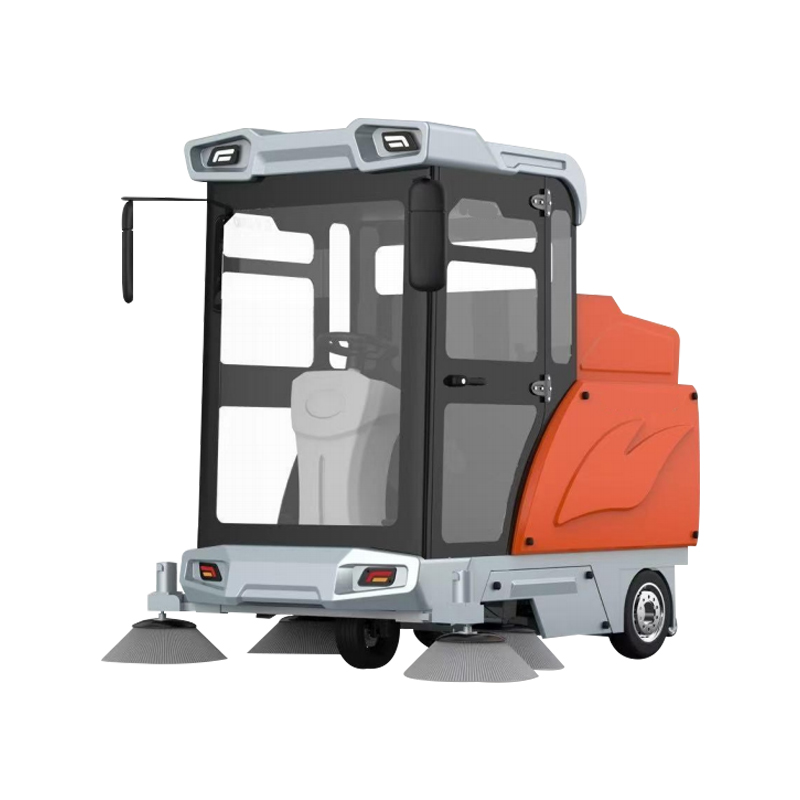
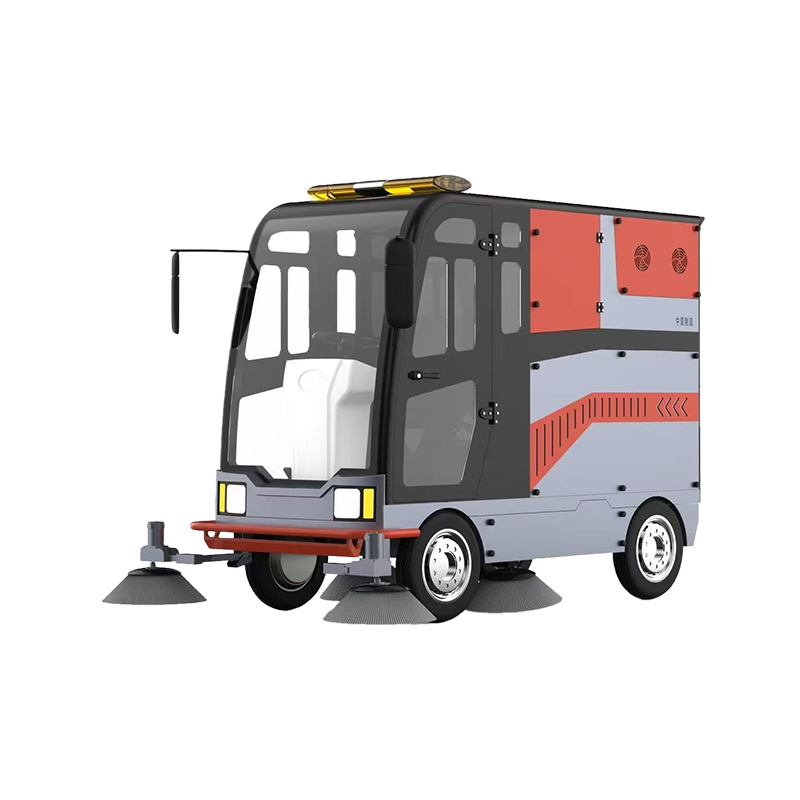
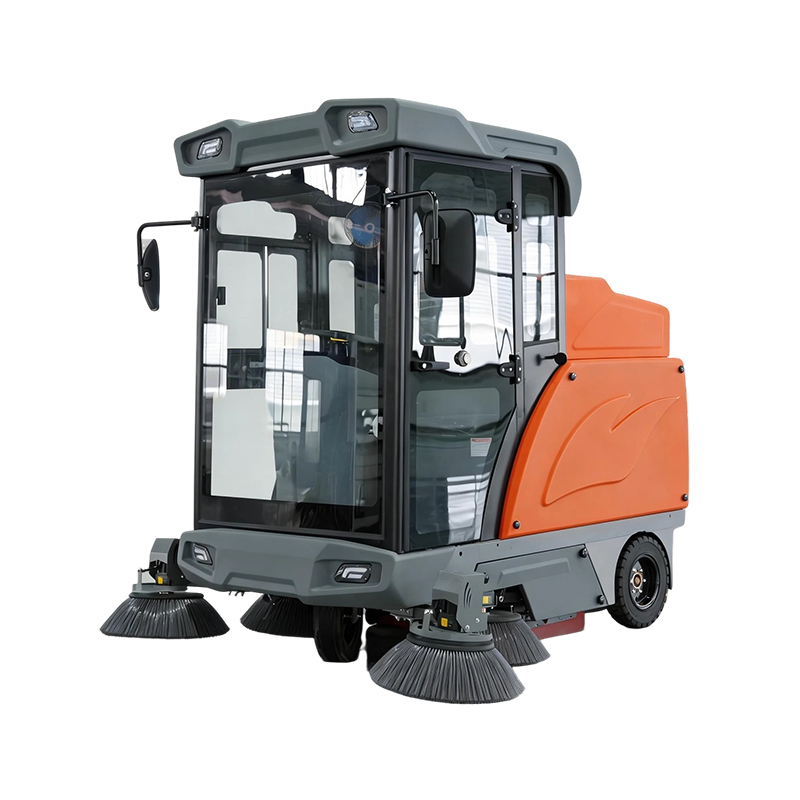
An industrial driving four-wheel sweeper is a heavy-duty ride-on cleaning machine designed for efficient sweeping of large indoor and outdoor areas. Powered by advanced battery systems, these machines combine powerful sweeping performance with driver comfort and advanced filtration, making them ideal for warehouses, factories, logistics centers, parking facilities, and other expansive industrial environments.
Equipped with robust brush systems, high-capacity hoppers, and effective dust control mechanisms, electric four-wheel sweepers deliver consistent cleaning results while minimizing operator fatigue and maximizing productivity. Zero emissions and low noise operation make them suitable for both indoor and outdoor use.
An industrial driving four-wheel sweeper is a professional-grade electric cleaning vehicle designed for high-performance sweeping in industrial, commercial, and municipal applications. It features a ride-on platform with an operator seat, steering wheel, and full driving controls, allowing the operator to cover large areas efficiently.
These machines are equipped with a combination of side brooms that sweep debris into the path of the main cylindrical brush, which then lifts the debris into the hopper. Advanced filtration systems capture fine dust particles, ensuring clean exhaust air and a healthier working environment.
An industrial driving four-wheel sweeper operates through an integrated system of mechanical and filtration components working together for effective cleaning:
The sweeper features side brushes that rotate to sweep debris from the edges of the cleaning path into the center, where the main brush can access it. This ensures thorough cleaning along walls, obstacles, and corners.
The main cylindrical brush rotates at high speed, lifting debris from the floor surface and guiding it toward the hopper. The brush height is adjustable to suit different floor types and debris sizes.
Debris lifted by the main brush is deposited into the hopper, where it is stored until the hopper is emptied. The hopper typically features a hydraulic or manual tipping mechanism for easy disposal.
Air and dust drawn into the sweeper pass through a filtration system that captures fine particles. Clean air is then exhausted back into the environment, maintaining air quality during operation.
Industrial driving four-wheel sweepers deliver significant advantages for large-scale cleaning operations:
With cleaning widths up to 2,200 mm and working speeds up to 10 km/h, these sweepers can cover up to 20,000 m² per hour, significantly reducing cleaning time compared to walk-behind machines.
Hoppers with capacities of 100 to 200 liters allow for extended cleaning sessions without frequent emptying, maximizing operational efficiency and reducing downtime.
Adjustable seats, intuitive controls, and excellent visibility reduce operator fatigue and improve the overall working experience during extended shifts.
Electric models offer low noise levels, making them suitable for environments where noise restrictions apply, such as retail facilities, hospitals, and night-time operations.
High-efficiency filtration systems with automatic cleaning mechanisms ensure that fine dust is captured and contained, maintaining clean air quality during operation.
Capable of sweeping a wide range of debris types including dust, dirt, gravel, metal shavings, packaging waste, and leaves, making them suitable for diverse industrial environments.
Industrial driving four-wheel sweepers are essential in a variety of large-scale environments:
Removal of metal shavings, dust, packaging waste, and production floor debris to maintain safe working conditions and prevent contamination.
Efficient cleaning of large storage areas, aisles, and loading bays to maintain cleanliness and reduce slip hazards for workers and equipment.
Cleaning of truck yards, loading areas, and freight handling zones where debris accumulation is common.
Maintaining cleanliness in indoor and outdoor parking structures, removing dirt and debris to improve appearance and safety.
Cleaning of terminals, hangars, and apron areas where large open spaces require efficient and reliable sweeping.
Sidewalks, plazas, and public areas benefit from large-capacity sweepers that can handle high volumes of pedestrian traffic debris.
Cleaning capacity depends on the model, but typical coverage ranges from 10,000 to 20,000 m² per hour. Factors affecting capacity include working speed, cleaning width, and debris conditions.
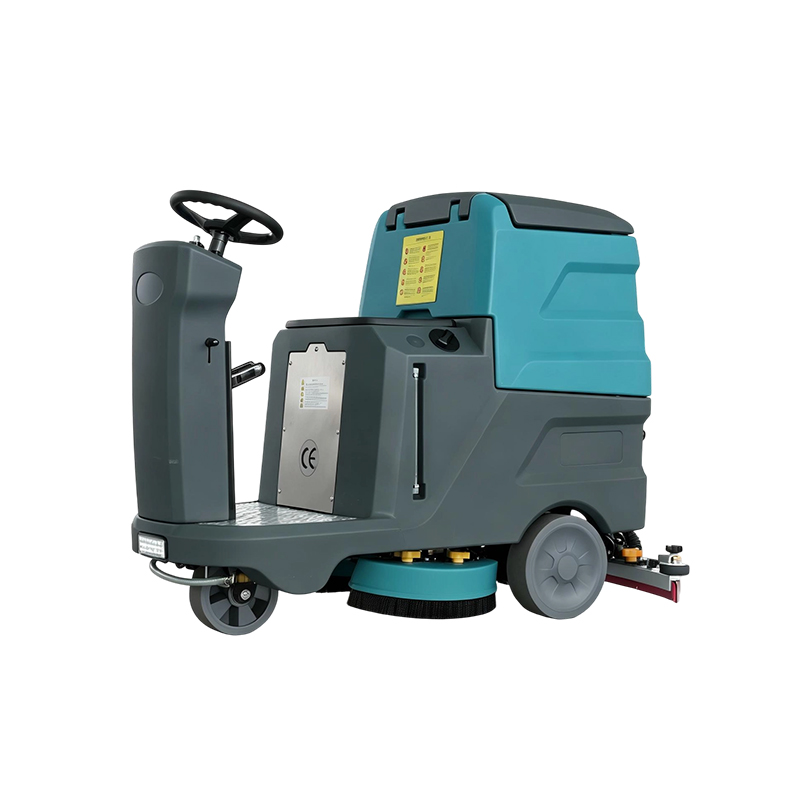
A sweeper removes dry debris such as dust, dirt, and loose materials using brushes and a hopper. A scrubber uses water and detergent to wash and dry the floor surface, typically following a sweeping operation.
Hopper emptying frequency depends on debris volume and operating conditions. Generally, the hopper should be emptied at the end of each shift or when it is approximately three-quarters full to maintain optimal performance.
Yes, many electric models are designed for outdoor use with weather-resistant components. However, consideration should be given to range limitations and the availability of charging facilities.
Regular maintenance includes checking and replacing brush wear, cleaning or replacing filters, emptying the hopper, inspecting belts and chains, and servicing the battery system according to the manufacturer's schedule.
Yes. Four-wheel sweepers are designed with robust suspension systems and adjustable brush heights, allowing them to maintain consistent contact with surfaces that have minor imperfections and variations.
Selecting the right industrial driving four-wheel sweeper depends on your specific application requirements.
Consider factors such as area size, surface type, debris characteristics, battery runtime requirements, and budget to determine the most suitable model for your cleaning needs.

Contact Information
Xiaopu Langshan Industrial Park, Changxing County, Zhejiang Province, China
Keep in Touch
Can't find the answer you're looking for? Please chat to our friendly team.


 English
 中文简体
中文简体
 Español