Content
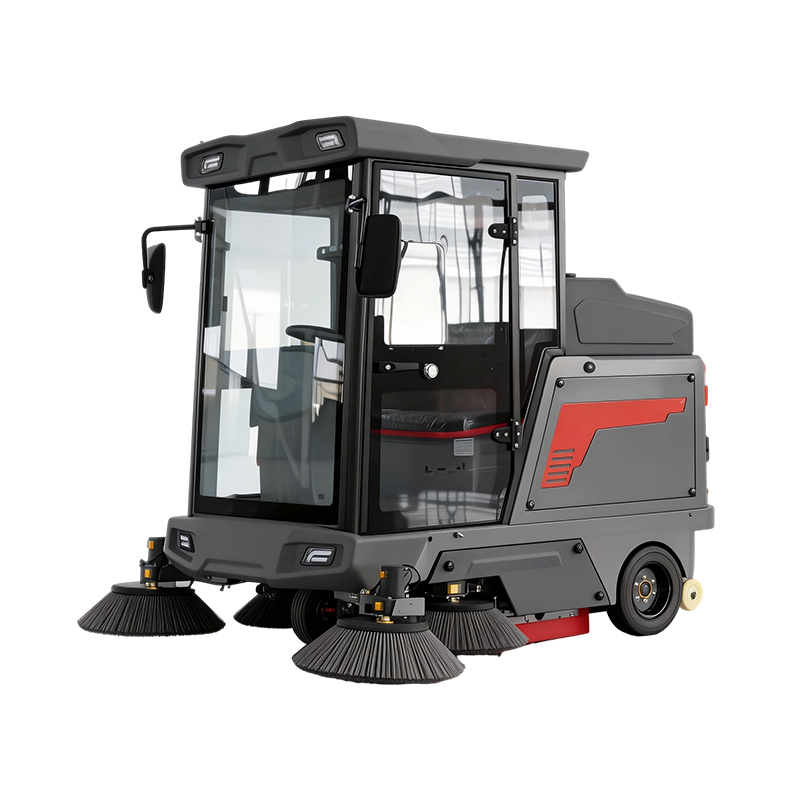
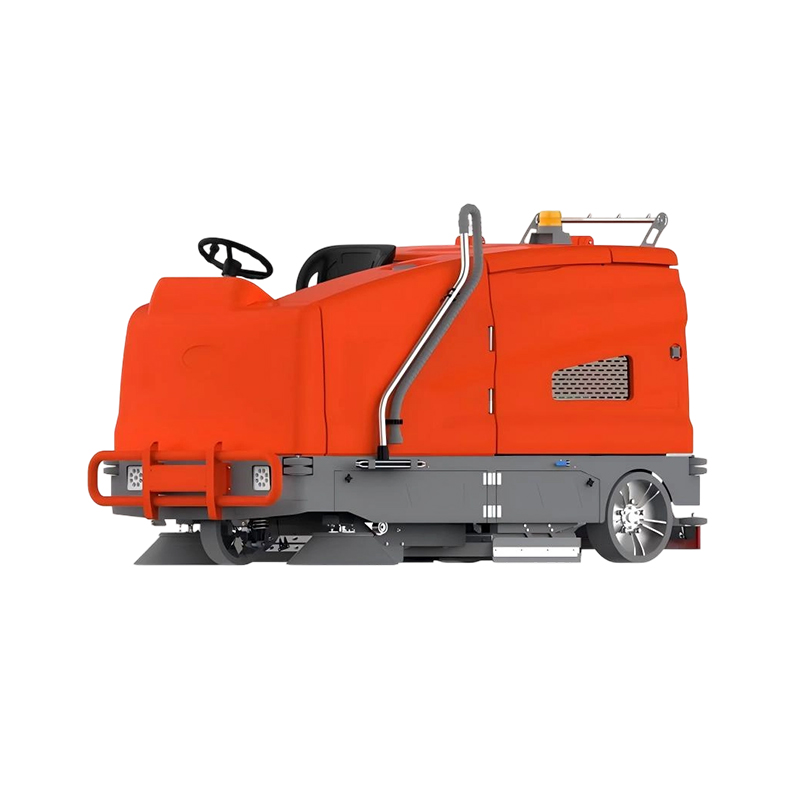
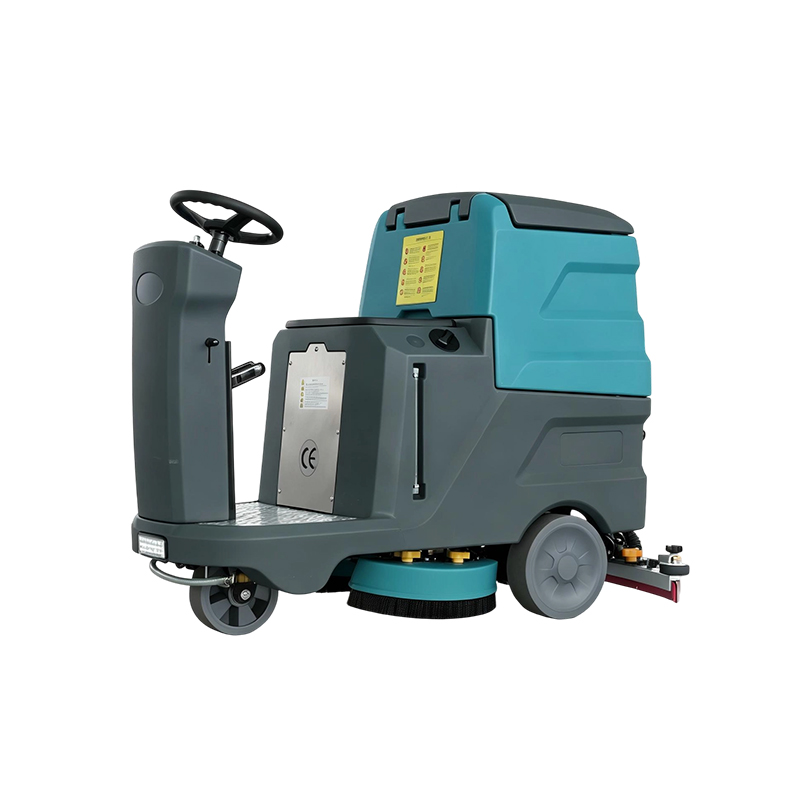
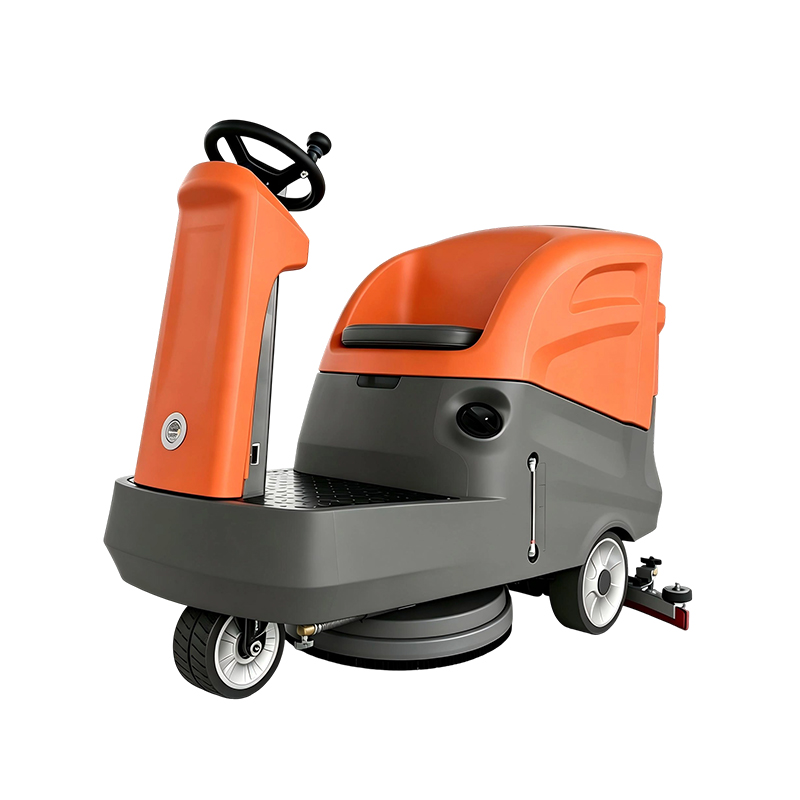
Industrial floor maintenance is a critical factor for operational safety and efficiency in modern facilities. Large-scale areas require robust solutions to manage dust and debris effectively. A ride on floor sweeper provides a mechanical advantage by combining high-speed sweeping with powerful vacuum systems. These machines significantly reduce the time required to clean large surfaces compared to manual walk-behind methods. For facility managers, choosing the right equipment involves evaluating power sources, maneuverability, and total cost of ownership.
The transition from manual labor to automated machinery is essential for high-volume facilities. Many logistics centers now prioritize a battery powered ride on floor sweeper for warehouse operations because it offers quiet, emission-free performance. Battery technology allows for long runtimes that cover thousands of square meters on a single charge. While manual sweeping is physically demanding and slow, ride-on technology allows a single operator to do the work of a five-person crew.
Ride-on sweepers offer much higher cleaning speeds and better dust control than manual brooms. Manual sweeping often kicks dust back into the air, whereas machinery uses filtration to trap fine particles.
| Metric | Manual Sweeping | Ride-On Floor Sweeper |
| Cleaning Speed | Approx. 500 sqm/hour | Up to 10,000+ sqm/hour |
| Dust Control | Low (Dust becomes airborne) | High (HEPA filtration systems) |
| Labor Cost | High (Multiple workers needed) | Low (Single operator) |
Warehouse designs often maximize storage density, which creates tight turns and restricted areas. Engineers have developed the compact ride on floor sweeper for narrow aisles to address these constraints. These machines feature a short wheelbase and a sophisticated steering geometry that allows them to pivot in place. This ensures that even the most cramped corners of a distribution center remain free of pallet debris and fine dust.
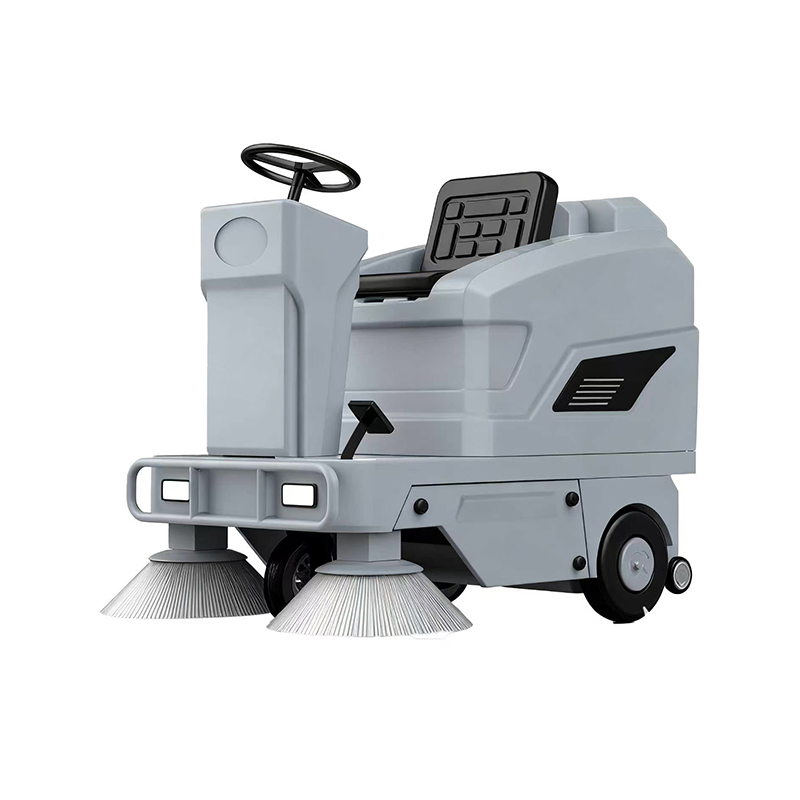
Zhejiang Jianchao Machinery Co., Ltd. brings over 20 years of factory experience and industry expertise to the cleaning sector. Originally established in Wuxi, the company relocated to Langshan Industrial Park, Zhejiang Province, in 2024. The new facility covers more than 30,000 square meters. As a China Custom Ride On Floor Sweeper Suppliers and OEM/ODM Ride On Floor Sweeper Company, the firm integrates research, production, and sales to meet global demand.
Outdoor surfaces present unique challenges such as abrasive grit and weather exposure. Many property managers search for the best ride on floor sweeper for concrete parking lots. These specific models usually feature reinforced chassis and heavy-duty brushes designed to withstand rough textures. In contrast, indoor machines focus more on non-marking tires and silent operation to protect polished floors and minimize noise pollution.
Outdoor machines require higher ground clearance and more durable brush filaments, while indoor machines prioritize filtration and tire safety.
| Feature | Indoor Warehouse Sweeper | Outdoor Parking Lot Sweeper |
| Tire Type | Non-marking soft rubber | Pneumatic or solid heavy-duty |
| Debris Capacity | Moderate (Fine dust/paper) | High (Gravel/leaves/bottles) |
| Filtration | Ultra-fine (Indoor air quality) | Standard (Large particle focus) |
Purchasing decisions must be based on long-term value rather than just the initial sticker price. Conducting an industrial ride on floor sweeper price comparison helps buyers understand the difference between budget models and premium engineering. High-end machines often have lower maintenance costs and higher durability, which leads to a lower total cost over five years.
Technical reliability is the key to preventing downtime in a busy facility. Maintenance managers should follow a strict electric ride on floor sweeper maintenance checklist to ensure the machine remains in peak condition. This includes checking battery electrolyte levels, inspecting brush wear, and cleaning the dust filters after every shift.
Q1: How long does the battery last on a typical warehouse sweeper?
Most industrial battery packs provide between 3 to 5 hours of continuous operation depending on the surface type and brush pressure.
Q2: Can a ride-on sweeper pick up liquids?
No, standard sweepers are designed for dry debris. For liquids, you should use a floor scrubber-dryer which uses water and squeegees.
Q3: Is training required to operate these machines?
Yes, operators should receive basic training on safety protocols, emergency stops, and proper battery charging to avoid accidents.
Q4: What is the typical lifespan of an industrial sweeper?
With proper maintenance, a high-quality industrial sweeper can last 7 to 10 years in a professional environment.
Q5: Can I use an indoor sweeper for my outdoor loading dock?
It is possible for short periods, but indoor tires and filters may wear out faster if exposed to wet conditions or heavy outdoor grit.

Contact Information
Xiaopu Langshan Industrial Park, Changxing County, Zhejiang Province, China
Keep in Touch
Can't find the answer you're looking for? Please chat to our friendly team.


 English
 中文简体
中文简体
 Español