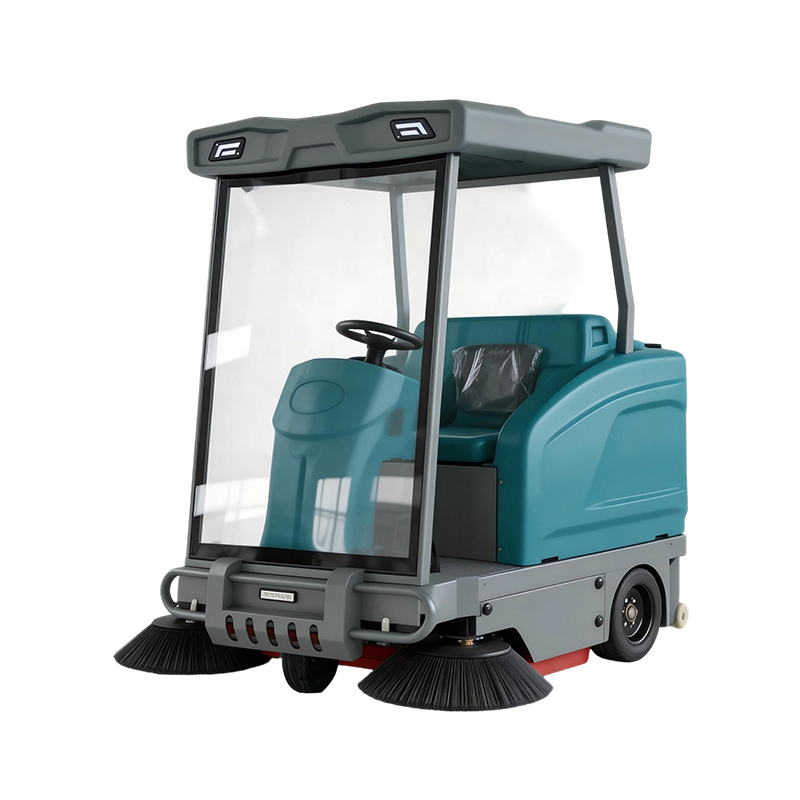
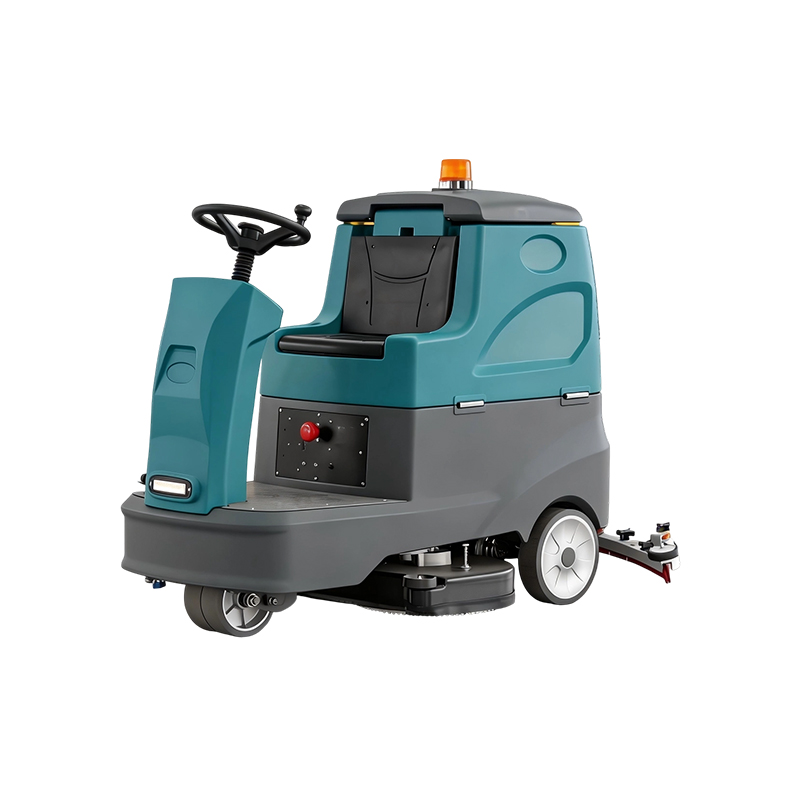
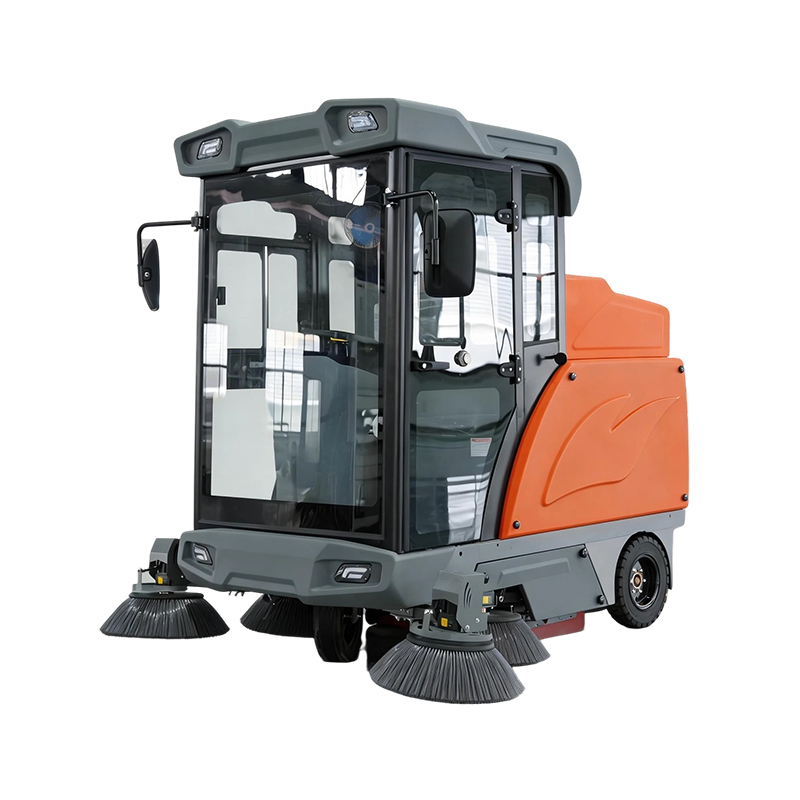
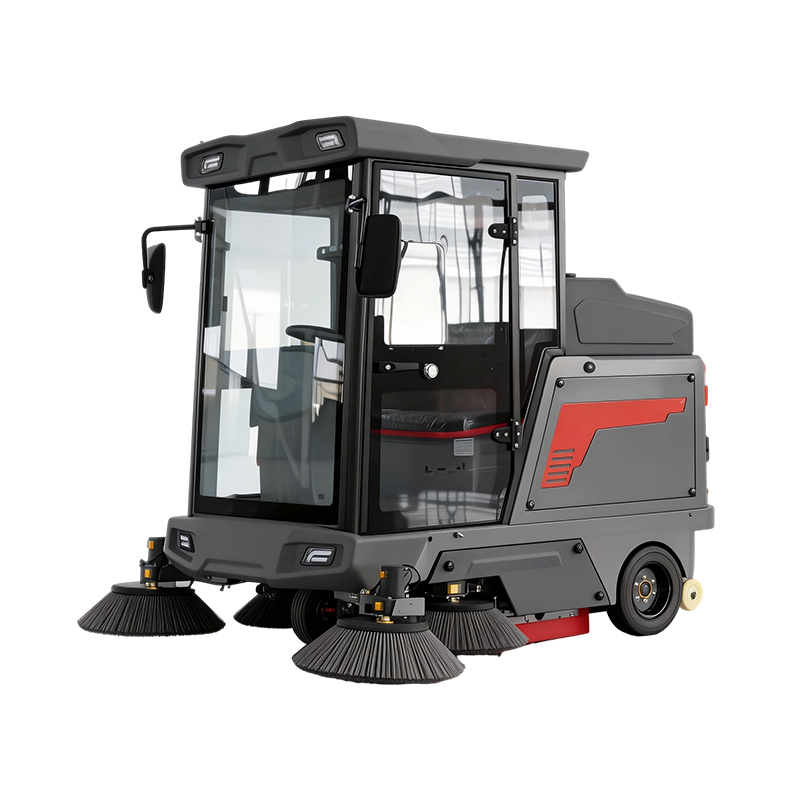
Selecting cleaning equipment for large-scale logistics hubs requires a rigorous analysis of mechanical throughput and component durability. The best ride on floor scrubber is not determined by brand visibility, but by engineering metrics such as brush pressure decibels, tank capacity ratios, and battery energy density. This technical guide examines the critical parameters that ensure sustained performance in high-traffic industrial environments.
Mechanical Cleaning Productivity and Scrubbing Path Metrics
Operational efficiency in a warehouse is measured by square meters covered per hour. When evaluating the best ride on floor scrubber, engineers must look beyond travel speed to effective cleaning width.
- 1. Cleaning Productivity Calculation: The theoretical coverage should exceed 5,000 square meters per hour for large facilities. What is the average productivity of industrial ride-on scrubbers in real-world conditions? Factor in a 15% overlap and speed reduction during turns to find the net productivity.
- 2. Cylindrical vs Disk Brush Head Systems: Cylindrical brushes are superior for warehouses with small debris, as they sweep and scrub simultaneously. Why choose cylindrical brushes for warehouse floor scrubbers involves the elimination of a separate pre-sweep stage, reducing labor hours significantly.
- 3. Dual-Actuator Brush Pressure: The system must provide adjustable down-pressure, typically ranging from 30kg to 90kg. This allows the machine to handle both light dust maintenance and heavy tire mark removal on polished concrete.
Power Management and Battery Chemistry Architecture
Continuous uptime is vital for 24/7 warehouse operations. The power source defines the duty cycle and total cost of ownership for the best ride on floor scrubber.
- 1. Lithium-ion (LiFePO4) Integration: Modern industrial units are shifting toward lithium vs lead acid battery for floor scrubbers due to opportunity charging capabilities. Lithium-ion systems support high-current fast charging during operator breaks without memory effect degradation.
- 2. Voltage and Ampere-Hour Ratings: A 36V or 48V architecture is preferred for large-scale machines to maintain torque at the drive motor. How to calculate battery runtime for ride on scrubbers involves dividing the total Ah capacity by the continuous current draw of the vacuum and brush motors.
- 3. Brushless DC (BLDC) Motors: Utilizing BLDC technology increases energy efficiency by 20% compared to brushed motors, while extending the maintenance interval by eliminating carbon brush replacement.
Fluid Dynamics and Solution Recovery Systems
Large-scale cleaning requires a balance between solution delivery and effective vacuum recovery to prevent slip-and-fall hazards on industrial floors.
- 1. Solution Tank Capacity and Flow Control: The best ride on floor scrubber features tanks exceeding 150 liters with electronic flow regulation. This minimizes the "dump and fill" downtime. Many operators ask how often to change water in industrial floor scrubbers; the answer depends on the integrated filtration and recycling system.
- 2. Squeegee Blade Material Science: Parabolic squeegee designs using Linatex or Polyurethane materials ensure 100% water recovery. Polyurethane is essential when dealing with oil-contaminated warehouse floors due to its chemical resistance.
- 3. Vacuum Motor Lift Specifications: Look for a minimum water lift of 1,800mm. High-lift vacuum motors ensure the floor is dry immediately after the pass, meeting safety standards for forklift traffic.
Structural Durability and Ergonomic Control Standards
Industrial environments are harsh; therefore, the structural integrity of the chassis and the operator interface must be resilient.
- 1. Chassis Construction: A heavy-duty steel frame with powder coating or a rotational-molded polyethylene body provides the necessary impact resistance. Finding the best ride on floor scrubber for heavy manufacturing requires checking for protective steel bumpers and side skirts.
- 2. Sound Pressure Levels: In multi-use facilities, a noise level below 65 dB(A) is required for daytime operation. What are the quietest ride on floor scrubbers for commercial use? Models with insulated vacuum housings are the industry standard.
- 3. Electronic Diagnostic Interfaces: Integrated LCD screens that provide real-time error codes and maintenance alerts reduce troubleshooting time. This is a key factor when evaluating ride on scrubber maintenance costs over a five-year lifecycle.
Technical Specification Comparison Table
The following data represents the performance delta between entry-level commercial units and high-performance industrial scrubbers.
| Technical Parameter |
Commercial Grade |
Industrial Warehouse Grade |
| Scrubbing Width |
500mm - 700mm |
850mm - 1100mm |
| Solution/Recovery Tank |
70L / 75L |
150L / 160L |
| Maximum Gradeability |
2% - 5% |
10% - 15% |
| Brush Speed |
180 RPM |
250 - 350 RPM |
- 1. Traction Drive Performance: Industrial units must have independent front-wheel or rear-wheel drive systems capable of climbing ramps. Why traction drive is essential for warehouse scrubbers relates to operator safety and the ability to navigate multi-level facility inclines.
- 2. Chemical Dosing Systems: Automatic dilution systems prevent the overuse of detergents, protecting floor finishes and reducing chemical costs by up to 30%.
- 3. Tire Material Choice: Non-marking high-traction tires are mandatory to prevent secondary contamination on clean warehouse floors.
Technical FAQ
1. What is the typical charging time for a lithium-powered ride on floor scrubber?
Using a high-frequency 50A charger, a 200Ah lithium-ion battery can be charged from 20% to 100% in approximately 3 to 4 hours, compared to 8 to 10 hours for lead-acid variants.
2. How does brush pressure affect the lifespan of warehouse floor coatings?
Excessive pressure (over 100kg) can strip epoxy coatings. The best ride on floor scrubber utilizes proportional control to maintain high cleaning efficiency with minimal abrasive wear on the floor surface.
3. Can these machines be used on outdoor asphalt loading docks?
Most ride-on scrubbers are designed for indoor smooth surfaces. Outdoor use requires heavy-duty debris hoppers and specialized tires to handle UV exposure and rougher textures.
4. What is the standard maintenance interval for the vacuum motor?
Vacuum motor brushes should be inspected every 500 operating hours, though brushless models eliminate this requirement, needing only filter inspections and moisture checks.
5. How do I determine the correct brush type for my warehouse floor?
Polypropylene brushes are for general cleaning, Nylon for delicate surfaces, and Grit-impregnated brushes for aggressive stripping of old wax or heavy grease buildup.
Technical References
- ANSI/ISS B101.1: Test Method for Measuring Wet SCOF of Common Hard-Surface Floor Materials.
- IEC 60335-2-72: Particular requirements for floor treatment machines with or without traction drive.
- ASTM D2047: Standard Test Method for Static Coefficient of Friction of Polish-Coated Flooring.



 English
 中文简体
中文简体
 Español