Content
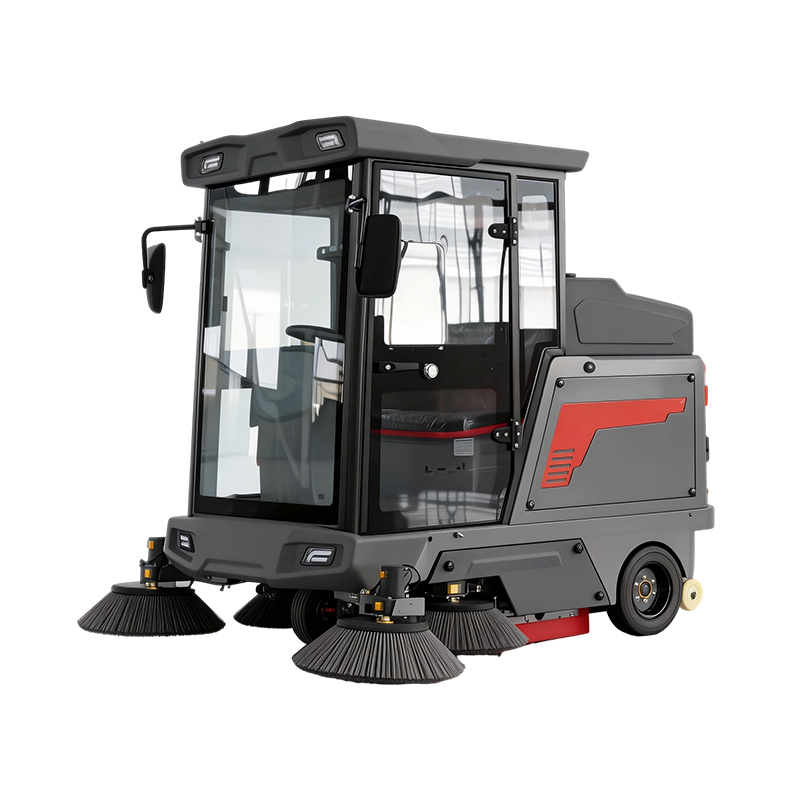
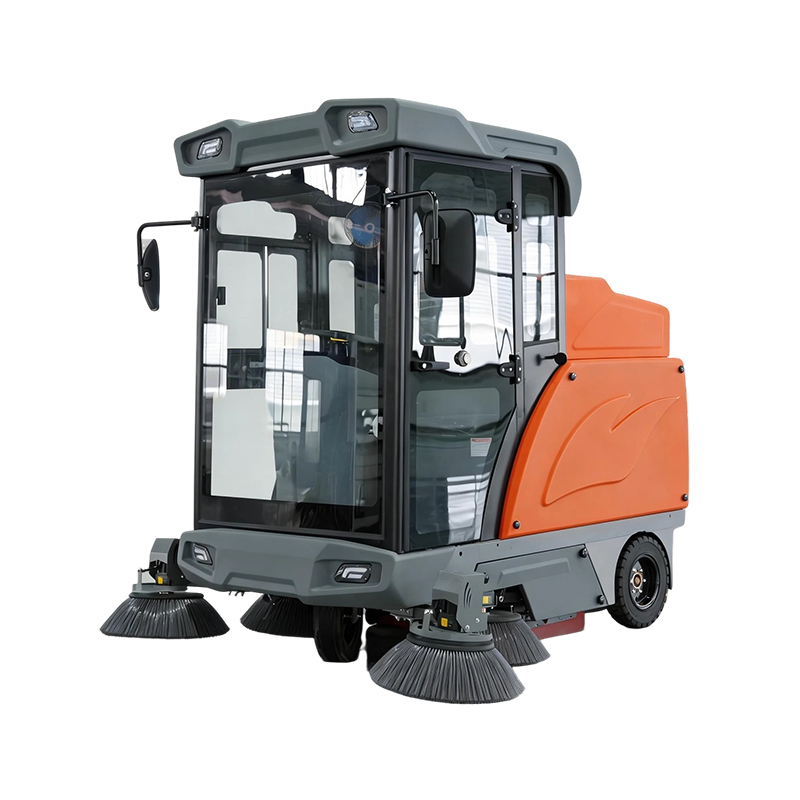
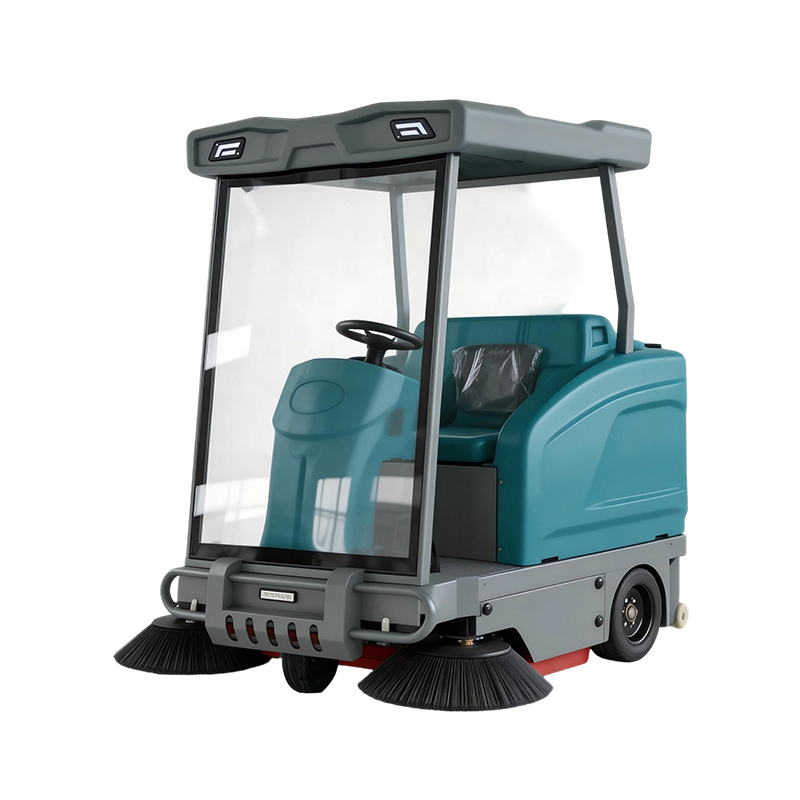
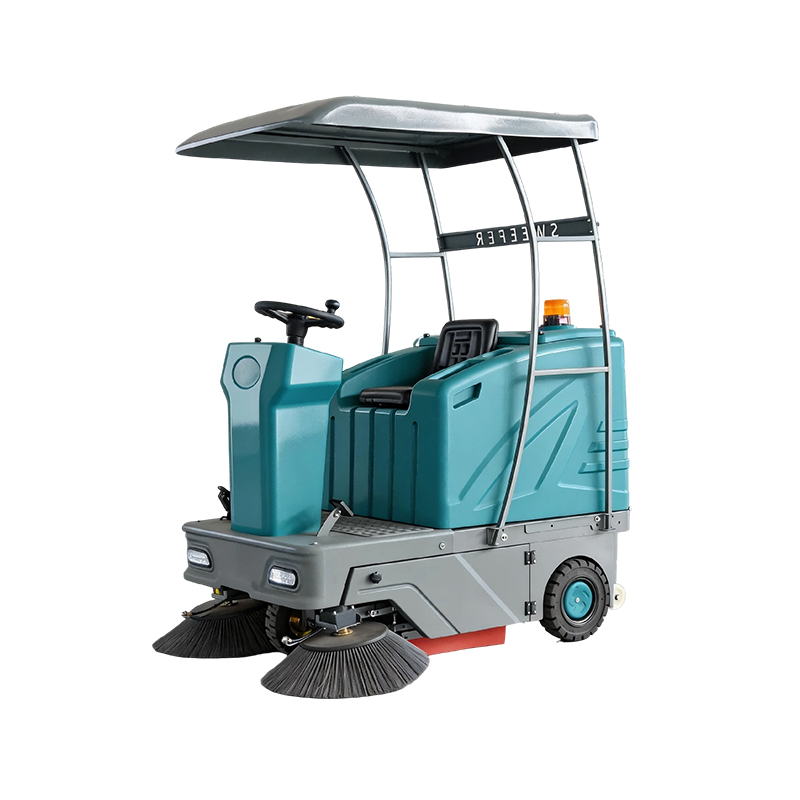
In the domain of industrial facility management, the efficiency of cleaning operations directly impacts overall productivity. Engineers and facility managers constantly seek methods to optimize maintenance workflows. The sit-on floor sweeper represents a significant leap in technology compared to manual cleaning methods. This machine is not merely a larger broom; it is a complex system designed to maximize debris collection while minimizing operator fatigue. By allowing the operator to ride, these machines extend cleaning durations and cover larger surface areas without the physical exhaustion associated with walking.
Labor constitutes the largest expense in facility maintenance. A manual cleaning operator covers a limited area per hour. Conversely, an industrial ride-on floor sweeper can cover thousands of square meters in the same timeframe. This efficiency reduces the number of labor hours required to maintain the facility. It also allows staff to focus on other critical maintenance tasks. The engineering design focuses on ergonomics to ensure the operator remains alert and effective throughout the shift.
The effectiveness of a sit-on-floor sweeper relies on several integrated mechanical systems. These systems must work in harmony to collect debris and manage dust.
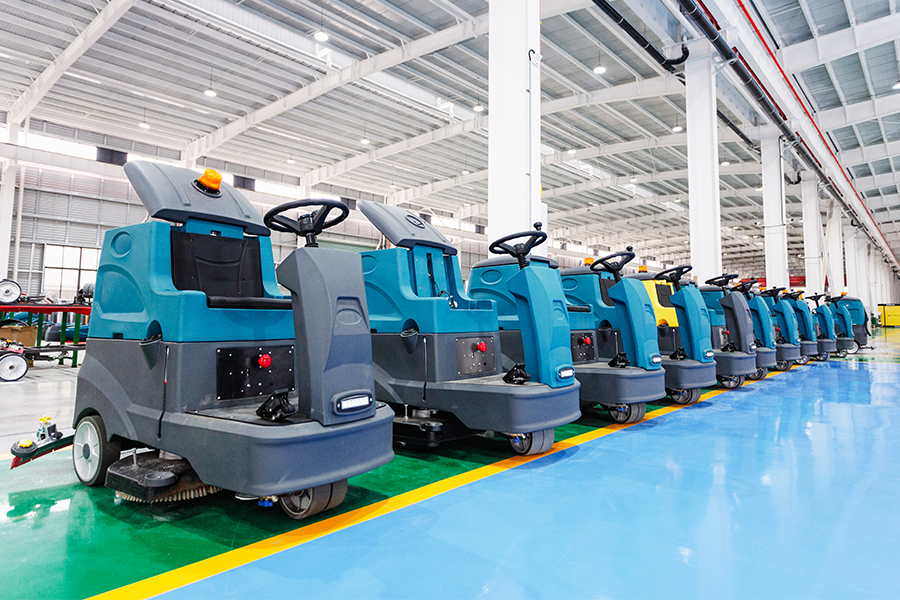
One of the primary engineering challenges in sweeping is dust containment. As the side brushes rotate to direct debris into the main broom path, they agitate fine particles. Without a filtration system, this dust would settle back onto the floor or contaminate the air. Modern sweepers utilize large surface area filters. These filters trap particles down to a few microns in size. A built-in filter shaker mechanism activates periodically to dislodge dust and maintain airflow efficiency. This ensures consistent suction performance throughout the operation.
The choice of power source defines the machine's operational profile. Engineers must select between internal combustion engines and electric motors based on the facility environment. Internal combustion engines offer continuous runtime but produce emissions. Electric motors provide quiet operation and zero emissions, making them suitable for enclosed spaces.
The following table compares the technical characteristics of these two power sources.
| Feature | Internal Combustion (LPG/Diesel) | Battery Electric |
| Exhaust Emissions | Present (Ventilation required) | Zero (Indoor safe) |
| Operational Noise | High | Low |
| Runtime | Continuous with fueling | Limited by battery capacity (4-6 hours) |
| Maintenance Profile | Engine oil, filters, spark plugs | Battery maintenance, charging cycles |
| Ideal Application | Outdoor, Warehouses with high airflow | Food processing, Cleanrooms, Retail |
When sourcing equipment, buyers must scrutinize the technical datasheet. Understanding floor cleaning machine specifications is vital for matching the machine to the workload.
The theoretical productivity of a sweeper is calculated based on the sweeping path width and the travel speed. The sweeping path is the sum of the main broom width and the extension provided by side brushes. A wider sweeping path allows the machine to clean larger aisles faster. However, the theoretical productivity often differs from the actual productivity. Engineers use a utilization factor, typically around 70%, to account for turning, avoiding obstacles, and emptying the hopper. Buyers should look for specifications regarding the hopper volume, as a larger hopper reduces downtime for disposal.
For a typical ride on a sweeper for warehouse applications, productivity can range from 4,000 to 10,000 square meters per hour. This figure depends heavily on the debris load and the floor condition. Heavily soiled floors require slower travel speeds to ensure complete pickup. High-performance models feature four-wheel steering or tight turning radii. This maneuverability is crucial in narrow warehouse aisles where space is limited.
Different industrial sectors impose different demands on cleaning equipment. The machine specification must align with the environmental constraints.
Warehouses present unique challenges, such as pallet debris, forklift traffic, and concrete dust. A ride-on sweeper for warehouse use requires robust tires and a durable chassis. The machine must navigate around racking systems without causing damage. Visibility is a key safety factor; the operator must have a clear line of sight to avoid collisions with pedestrians and inventory. Some models include overhead guards to protect the operator from falling objects in high-rack storage areas.
Manufacturing plants often deal with heavy industrial waste like metal shavings, swarf, or wood chips. Heavy-duty floor cleaning equipment is engineered to handle these abrasive materials. The sweeping system must be reinforced to resist wear. Manufacturers often use hard-wearing polyurethane or steel components in the brush assembly. The impeller fan systems in these machines are designed to handle higher densities of debris without clogging.
The decision to purchase involves analyzing the total cost of ownership (TCO). This includes the initial capital outlay, energy costs, and maintenance expenses.
The market trend is shifting significantly towards electrification. A battery-powered floor sweeper offers distinct advantages for B2B buyers. The elimination of engine noise improves communication in the workplace. The absence of exhaust fumes ensures better indoor air quality for employees. Modern battery technologies, such as lithium-ion, offer opportunity charging. This allows operators to charge the machine during breaks without damaging the battery life cycle. This flexibility increases fleet availability.
Procurement officers should evaluate the long-term costs. Electric models generally have lower maintenance costs because they have fewer moving parts than internal combustion engines. However, battery replacement is a high future cost that must be factored in. Buyers should also consider the availability of spare parts. A reliable supply chain for brushes, filters, and squeegees ensures minimal downtime. Partnering with suppliers who provide technical training for in-house maintenance teams can further reduce operating costs.
The integration of a sit-on-floor sweeper into a maintenance strategy is a decision grounded in engineering efficiency and economic logic. By understanding floor cleaning machine specifications and powertrain options, buyers can select the right machine for their specific environment. Whether the requirement is for a battery-powered floor sweeper for a quiet warehouse or heavy-duty floor cleaning equipment for a factory floor, the technical depth of the procurement process ensures long-term value. Proper selection enhances cleanliness, safety, and operational productivity.

Contact Information
Xiaopu Langshan Industrial Park, Changxing County, Zhejiang Province, China
Keep in Touch
Can't find the answer you're looking for? Please chat to our friendly team.


 English
 中文简体
中文简体
 Español