Content
Facility managers and procurement specialists face increasing pressure to maintain large indoor spaces efficiently. Manual cleaning methods do not scale well for warehouses, manufacturing plants, or commercial distribution centers. A ride-on floor sweeper or scrubber combines sweeping and scrubbing into one machine, reducing labor time while improving cleanliness. This article provides an engineer-level analysis of these machines. We focus on technical specifications, operational efficiency, and fleet management considerations for B2B buyers.
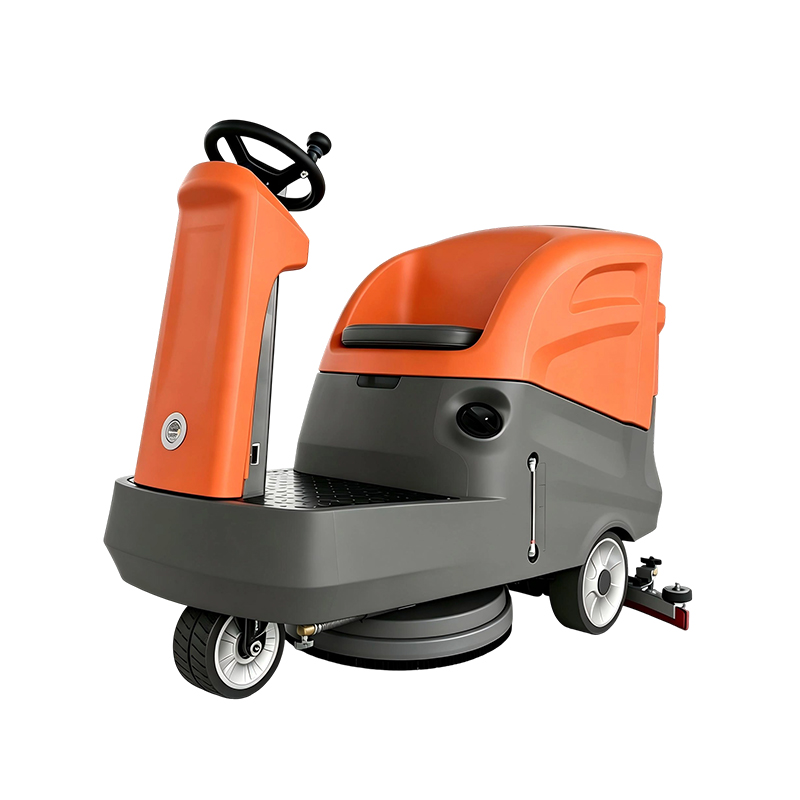
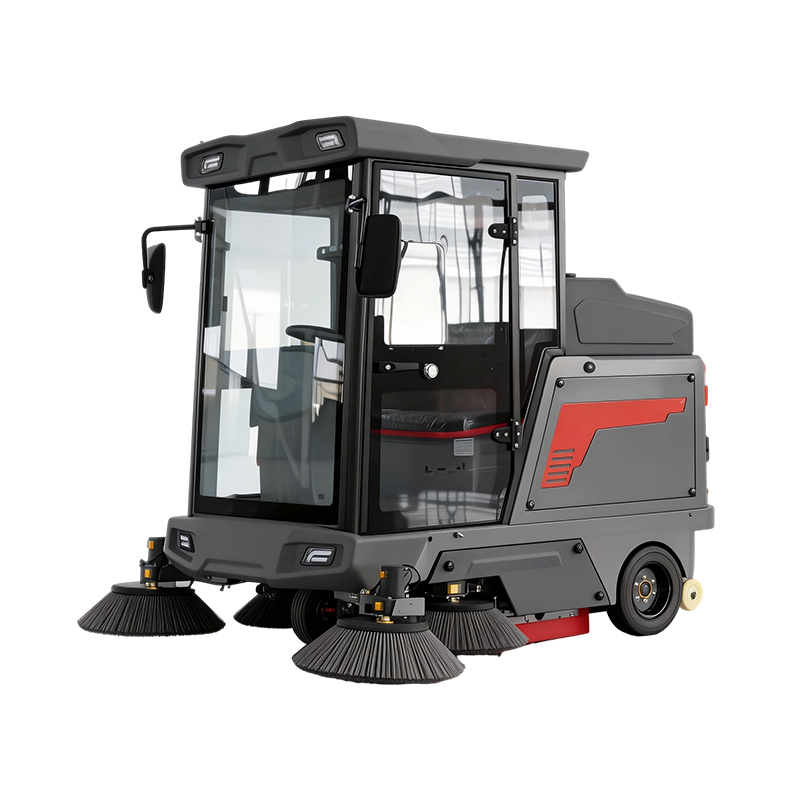
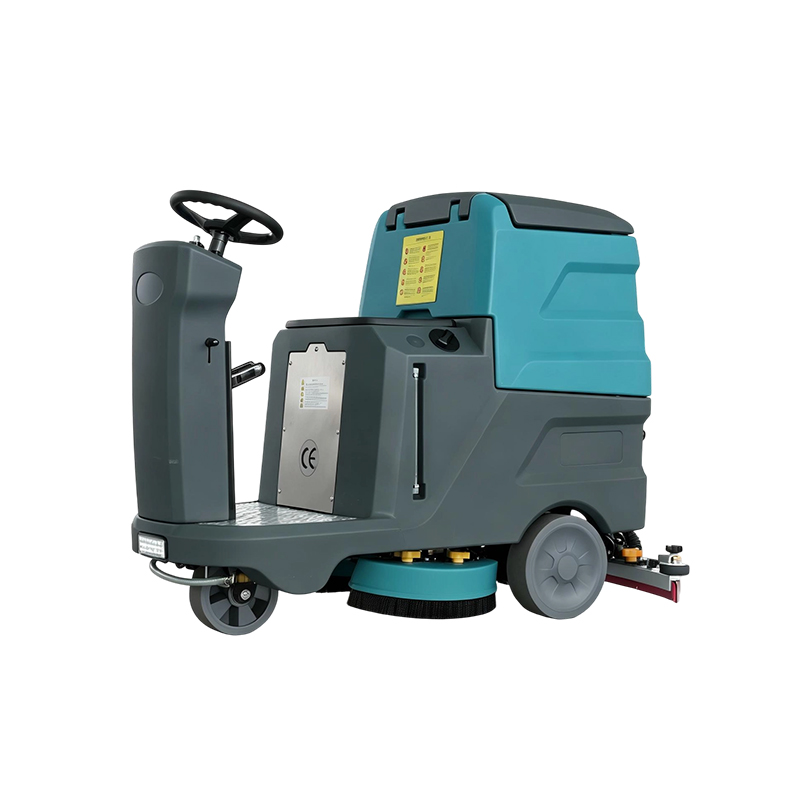
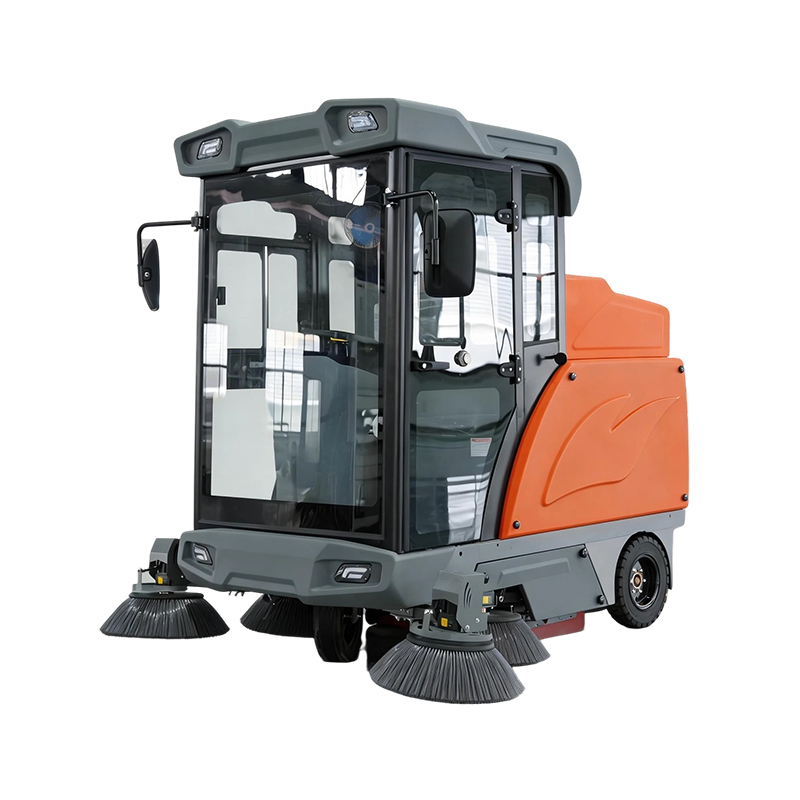
A ride-on floor sweeper scrubber is a dual-purpose industrial cleaning machine. It sweeps debris into a hopper while simultaneously scrubbing and drying the floor. This combination eliminates the need for separate sweeping and scrubbing passes. For large facilities, this integration cuts cleaning time by up to 50% compared to using walk-behind equipment.
The machine consists of several key systems that work together. Understanding these systems helps buyers select the right model for their facility.
When sourcing a ride-on floor sweeper or scrubber, procurement professionals must evaluate several engineering parameters. These parameters directly impact cleaning efficiency, operating costs, and machine lifespan.
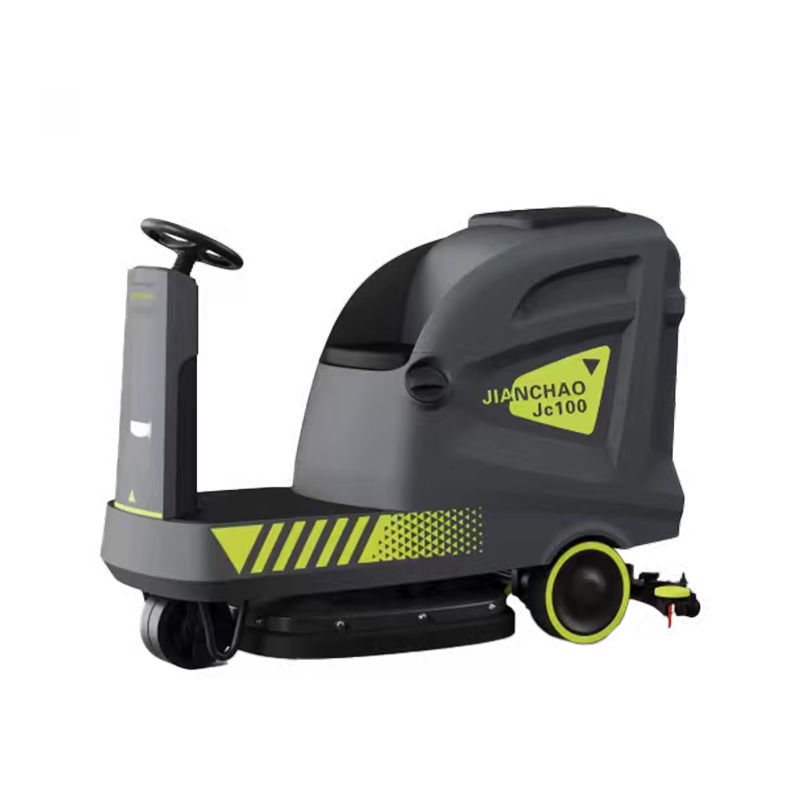
The cleaning path width determines how many square meters the machine covers per hour. For a sweeper scrubber, the sweeping path often differs from the scrubbing path. Manufacturers typically list both specifications. A wider cleaning path reduces the number of passes needed to cover a facility.
Productivity is measured in square meters per hour. This calculation factors in cleaning path width and machine travel speed. For large warehouses, a machine with a cleaning path of 1000 mm or more achieves over 8,000 square meters per hour under ideal conditions.
Tank capacity determines how long the machine can operate before refilling. Larger tanks allow longer continuous operation but increase machine weight. For facilities with water access points located far from cleaning zones, larger tanks reduce downtime.
Below is a comparison of typical specifications across different classes of ride-on sweeper scrubbers.
| Machine Class | Cleaning Width (mm) | Solution Tank (L) | Productivity (sq m/hr) | Typical Application |
|---|---|---|---|---|
| Compact (under 1000 mm) | 650–850 | 70–120 | 4,000–6,000 | Retail, small warehouses |
| Mid-Size (1000–1200 mm) | 900–1100 | 150–250 | 7,000–10,000 | Distribution centers, factories |
| Large (over 1200 mm) | 1200–1400 | 300–450 | 10,000–15,000 | Airports, large manufacturing |
The choice between battery-electric and internal combustion engines significantly affects operating costs and facility suitability. A ride-on floor sweeper or scrubber used indoors must have a power source that does not emit harmful fumes.
Electric machines dominate indoor applications. They produce zero emissions and operate quietly. Modern electric sweeper scrubbers use lead-acid or lithium-ion batteries. Lithium-ion batteries offer faster charging, longer cycle life, and no maintenance watering requirements. However, they have higher upfront costs.
Internal combustion machines are suited for outdoor or well-ventilated indoor areas. They offer longer runtime without battery charging stops. Diesel models provide high torque for heavy debris pickup. However, they require fuel storage and produce exhaust emissions that must be managed.
For facilities with both indoor and outdoor cleaning needs, a ride-on sweeper scrubber for warehouse applications typically uses electric power for indoor flexibility and quiet operation.
Effective water recovery is critical to leaving floors dry and safe. The squeegee system must maintain consistent contact with the floor. Machines with an automatic squeegee lift prevent damage when reversing. Vacuum motor power, measured in millimeters of water lift, determines recovery efficiency.
Poor recovery leaves standing water, creating slip hazards and longer drying times. High-quality machines achieve 98% or higher water recovery under normal operating conditions.
For procurement teams, the initial purchase price represents only part of the investment. Total cost of ownership includes energy consumption, consumables, maintenance, and labor savings. A common search is ride-on sweeper scrubber price, but experienced buyers look beyond the price tag.
Brushes, squeegee blades, and filters wear over time. The frequency of replacement depends on floor type and usage hours. Machines with cylindrical brushes typically offer longer brush life than disc brushes. Filters in sweeping systems require regular cleaning; machines with automated filter shaking reduce manual intervention.
Labor savings often justify a higher initial investment. One operator on a ride-on machine typically replaces three to four operators with walk-behind equipment. For a facility cleaning 20,000 square meters daily, the annual labor savings can exceed the machine cost.
Different facilities have different cleaning requirements. An industrial ride-on sweeper scrubber for heavy manufacturing must handle metal shavings and oils. A machine for food processing requires a sanitary design and chemical-resistant components.
Some facilities require one machine to handle multiple surface types. A ride-on floor sweeper scrubber with adjustable brush pressure and multiple brush options can transition between surfaces. This flexibility reduces the number of machines needed in a fleet.
Selecting a ride-on floor sweeper or scrubber requires careful evaluation of cleaning width, power source, water management, and total cost of ownership. For warehouse and industrial applications, these machines deliver substantial labor savings and consistent cleaning results. Whether you need a ride-on sweeper scrubber for warehouse operations or an industrial ride-on sweeper scrubber for heavy-duty environments, understanding these technical specifications ensures a sound procurement decision.
A ride-on sweeper only picks up dry debris into a hopper. A ride-on scrubber only washes and recovers water from floors. A ride-on sweeper scrubber performs both functions in one pass. This combined machine first sweeps debris, then scrubs and dries the floor. It is ideal for facilities with both dry debris and soiled floors because it eliminates the need for separate equipment and reduces cleaning time by 30-50%.
Productivity is calculated using this formula: cleaning path width in meters multiplied by travel speed in meters per hour multiplied by utilization factor. The utilization factor accounts for turns, refilling, and operator breaks. A typical factor is 0.6 to 0.7. For example, a machine with 1.0 meter cleaning path traveling at 4 km/h (4000 m/h) has a theoretical productivity of 4,000 sq m/hr. With a 0.65 utilization factor, real productivity is about 2,600 sq m/hr. Divide your facility's total area by this number to estimate cleaning time per shift.
Brush life varies by floor type and usage hours. On smooth concrete, disc brushes typically last 150–300 hours. Cylindrical brushes often last 300–500 hours. Squeegee blades last 50–150 hours, depending on floor smoothness and debris load. Regular inspection is recommended: replace brushes when bristles wear to 15 mm length or less; replace squeegees when the wiping edge shows visible wear or streaking occurs. Many fleet operators schedule replacements based on meter readings rather than calendar time.
For multi-shift operations, lithium-ion batteries typically provide a positive return on investment. Key advantages include: opportunity charging during breaks without battery damage, no watering maintenance, and 2,000–3,000 cycle life compared to 1,000–1,500 cycles for lead-acid. Lithium-ion also eliminates battery change-out facilities and reduces energy costs by 10-15% due to higher charging efficiency. For single-shift operations with overnight charging, high-quality lead-acid batteries remain a cost-effective option.

Contact Information
Xiaopu Langshan Industrial Park, Changxing County, Zhejiang Province, China
Keep in Touch
Can't find the answer you're looking for? Please chat to our friendly team.


 English
 中文简体
中文简体
 Español